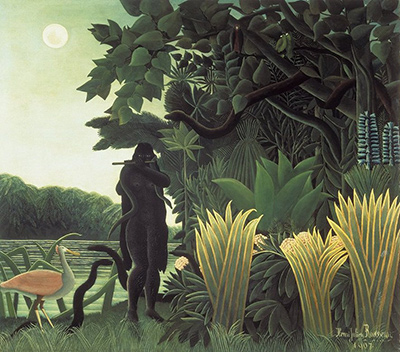
To transform a static painting into a shimmering vision where butterflies seem constructed entirely from pure light, one must abandon traditional realism and embrace the raw, unfiltered energy of naive art. This style thrives on simplicity and bold color, allowing the artist to bypass technical constraints and focus on the spiritual essence of the subject. By mastering the specific techniques of layering, color vibration, and deliberate imperfection, you can guide the viewer's eye to perceive magic in the mundane.
The Foundation of Bold Color
The first step in creating a luminous butterfly is selecting a palette that defies the natural world. Naive art often utilizes intense, saturated hues that appear to vibrate against the canvas, creating an internal glow rather than reflecting external light. Instead of mixing muddy browns or greys, consider using pure yellows, electric blues, and fiery oranges. These colors do not just sit on the paper; they seem to pulse with energy. When applying these pigments, do not worry about blending them seamlessly; instead, apply them with a thick, confident stroke that captures the immediate impression of the subject. The texture of the paint itself begins to mimic the iridescence of a real butterfly, suggesting that the wings are not made of chitin but of hardened starlight.
Mastering the Shape of Light
Once the base colors are established, the geometry of the butterfly takes on a new dimension. In naive painting, shapes are often simplified to their essential forms, yet they retain a sense of movement and volume. To achieve the "light-made" effect, focus on the negative space between the wings. Do not fill every nook and cranny with dark shadow; instead, leave areas of the canvas bare or use a very pale, almost white wash to suggest transparency. This technique creates the illusion that light is passing through the wing structure, making the insect appear translucent and fragile. The edges of the wings should be slightly soft or irregular, avoiding the sharp, mechanical lines of a technical drawing. This roughness suggests a hand that moves freely, guided by intuition rather than a ruler.
Techniques for Creating Vibration and Depth
To truly sell the illusion that the butterfly is vibrating with energy, you must employ specific methods regarding brushwork and layering. The following techniques are essential for achieving that radiant, animated quality:
- Layering with Glazes: Apply a thin, transparent layer of warm yellow or pale gold over the base blue or green. This creates a depth where the light seems to emanate from within the paint layer itself.
- The Dash Technique: Use short, broken strokes rather than long, continuous lines. This fragmentation prevents the eye from following a single path, making the form feel like a collection of sparks rather than a solid object.
- Highlighting the Center: Place a distinct dot or small circle of pure white or a highly saturated contrasting color in the center of the wing or body. This acts as a focal point, drawing the viewer's gaze inward before letting it scatter outward like rays of sun.
- Texture with Sandpaper: Lightly sanding the painted areas before varnishing can create a subtle, shimmering surface that catches the ambient light in the room, reinforcing the "light-made" concept physically.
- Negative Space Borders: Frame the butterfly with a margin of the canvas color (often white or cream) that remains untouched by paint, ensuring the subject never feels crowded and always feels suspended in an infinite, luminous void.
Embracing the Imperfect Hand
The soul of naive art lies in its refusal to be perfect. A butterfly that looks too realistic often fails to capture the dreamlike quality of light. Allow the brush to drag slightly, let the colors overlap in unpredictable ways, and do not fear the accidental splatters of white or gold. These imperfections are not mistakes; they are the very evidence of the hand at work, creating a sense of spontaneity that mimics the fleeting nature of light. When you paint with this freedom, the resulting image stops looking like a study of an insect and starts looking like a memory of a sunset, a captured moment of magic that exists only in the eye of the beholder.
The Spirit of the Forest
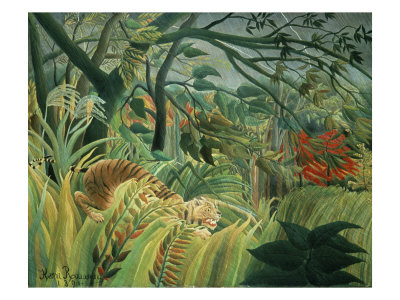
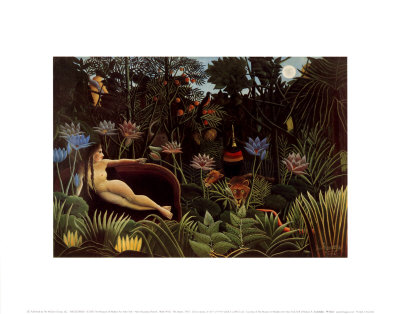
Finally, consider the context in which the butterfly exists. A naive butterfly often feels most alive when placed within a simplified, surreal forest or a void of abstract shapes. Surrounding elements should not compete with the main subject; they should recede into the background to make the light of the butterfly appear even more intense. By treating the canvas as a window into a dream world, you ensure that the viewer understands that this is not a biological reality but a spiritual one. The goal is to evoke a feeling of wonder, a sense that light has taken form and is dancing upon the surface, inviting the observer to step inside the painting and witness the miracle firsthand.