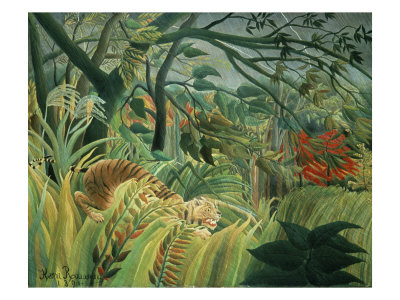
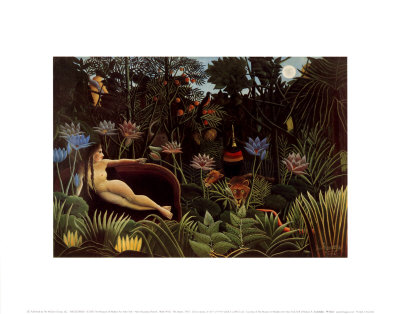
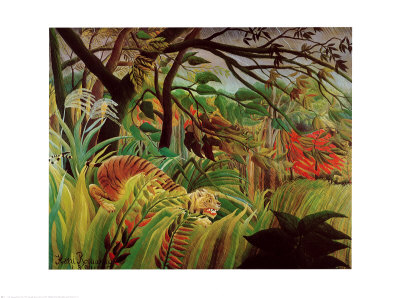
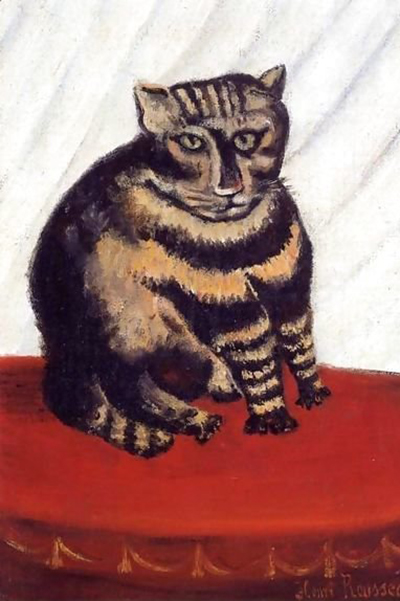
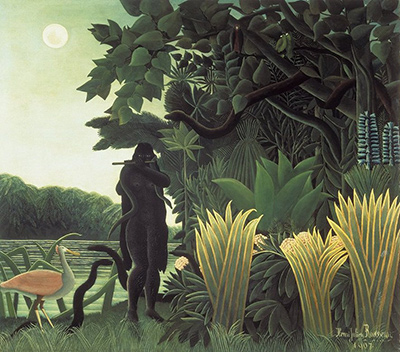
Capturing the essence of a vessel prepared to leave everything behind requires more than just technical accuracy; it demands an emotional connection to the unknown. By simplifying forms, exaggerating horizons, and prioritizing color over realism, one can evoke the same sense of infinite possibility found in the works of Henri Rousseau. This guide explores how to translate that dreamlike state into your own canvas, focusing on the unique qualities that define the naive style.
Establishing the Ethereal Atmosphere
The foundation of a naive boat painting lies in its ability to transcend physical reality and enter a realm of pure imagination. Unlike traditional maritime art which often seeks photographic precision, naive art embraces a sense of wonder and slight absurdity. To begin, you must decide on a mood that suggests the boat is not just sitting in water, but is actively dreaming of the open sea. This is often achieved by manipulating the relationship between the foreground and the background, creating a depth that feels more like a memory than a visual observation.
Simplifying Form for Maximum Impact
Once the mood is set, the next critical step is to strip away unnecessary details. In the naive tradition, complex rigging and intricate hull structures are replaced with bold, geometric shapes. Instead of rendering every cable and bolt, focus on the silhouette of the boat against the sky. Use thick, confident brushstrokes to define the edges of the vessel, ensuring they stand out clearly against the background. This lack of hyper-realism is what gives the image its charm; it is the viewer's mind that fills in the gaps with the story of a journey.
The treatment of the water is equally crucial. Rather than reflecting the boat perfectly, the water should often appear as a flat, vibrant surface that contrasts with the sky. This separation emphasizes the vastness of the ocean and reinforces the feeling that the boat is ready to dive into a mystery we cannot see.
Color as the Driver of Emotion
Color is the primary tool for evoking the feeling of the unknown. In naive painting, colors are not chosen for their optical accuracy but for their emotional resonance. Deep, saturated blues and crimsons can suggest a stormy, magical sea, while soft pastels might imply a calm, hopeful departure. The key is to avoid blending colors too smoothly; instead, use distinct patches of color that sit side-by-side. This technique creates a vibrant, mosaic-like quality that is characteristic of the style and draws the eye directly to the focal point of the boat.
The sky plays a massive role in establishing this atmosphere. A naive horizon often stretches far above the water, leaving a significant amount of sky visible. This empty space above the vessel acts as a visual invitation, suggesting that the boat is moving toward a destination that is as vast and unpredictable as the sky itself. The lack of clouds or the presence of a single, striking cloud can further enhance the feeling of solitude and anticipation.
Composing the Narrative of Departure
To truly convey the sentiment of a boat ready to sail into the unknown, the composition must tell a story of movement and potential. The position of the boat on the canvas is vital. Placing it slightly off-center often creates a dynamic tension, implying that the journey is about to begin. The angle of the bow should clearly point toward the horizon, guiding the viewer's eye away from the shore and into the mystery of the sea.
The treatment of the water beneath the hull should feel fluid yet static, suggesting that the boat is hovering between stillness and motion. It is the moment right before the oars dip or the sails catch the wind. This tension is what makes the painting feel alive. Avoid cluttering the scene with other boats or busy landscapes; the focus should remain entirely on this single vessel and its relation to the infinite waters surrounding it. The simplicity of the composition allows the viewer to project their own fears and hopes onto the scene.
Essential Techniques for the Naive Look
To achieve the authentic naive aesthetic, specific techniques regarding line and texture are essential. Avoid shading that mimics the gradations of light found in photorealism. Instead, rely on flat areas of color separated by distinct lines. These lines should be painted with a sense of rhythm and confidence, often varying in thickness to add a hand-made quality. This "roughness" is not a flaw but a feature that distinguishes the work from academic painting.
When mixing colors, do not blend them on the palette; keep them pure and distinct. This creates a visual vibration that feels energetic and fresh. Furthermore, the texture of the paint application matters. Thick impasto strokes can add a tactile quality that suggests the physical act of painting, reminding the viewer that this is a constructed reality, a dream captured on canvas.
- Use bold, unshaded outlines to define the boat's shape.
- Apply colors in distinct blocks rather than blended gradients.
- Maintain a high horizon line to emphasize the sky.
- Keep the water surface relatively flat and colorful.
- Ensure the bow of the boat points decisively toward the open space.
By adhering to these principles, you can create a painting that does not merely depict a boat, but invites the viewer to imagine the endless possibilities of the open sea, much like the timeless dreams of Henri Rousseau.