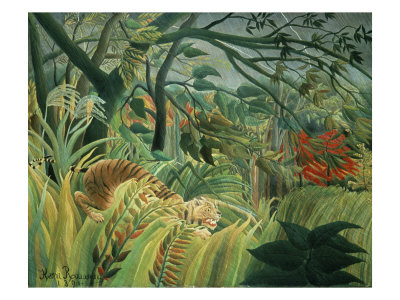
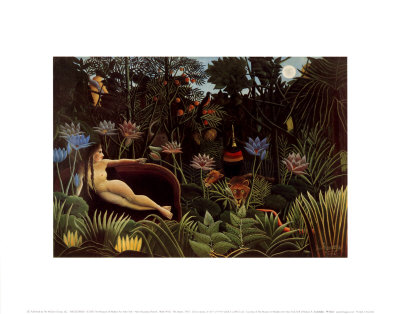
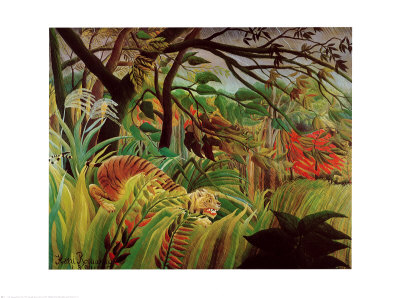
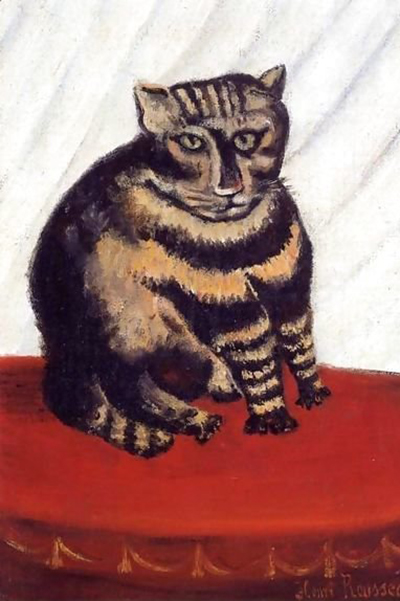
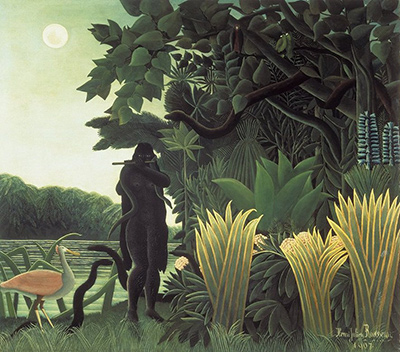
Transforming the traditional image of the bat into a symbol of serenity requires a fundamental shift in perspective, moving away from the folklore of terror toward the quiet curiosity of a child's imagination. By focusing on soft shapes, warm light, and peaceful environments, an artist can capture the essence of naive art where the heart guides the hand. This approach invites the viewer to feel comfort rather than fear, creating a unique visual language of gentle nocturnal life.
Reimagining the Night Sky
To begin, one must fundamentally alter the psychological atmosphere of the canvas. In traditional realism, bats are frequently depicted in dynamic, aggressive poses against stormy skies or near ominous full moons, emphasizing their role as predators. However, in naive art, the goal is to evoke tranquility. Imagine a scene where the moon is soft and glowing like a warm lantern rather than a harsh, blinding star. The background should suggest a gentle twilight or a starry evening rather than a tempest. By softening the lighting and removing any elements of danger, such as looming clouds or terrified humans, the bat immediately becomes a solitary, curious traveler rather than a harbinger of doom. The artist should consider using pastel hues for the sky, blending purples and blues with hints of gold to create a dreamlike quality that naturally soothes the eye.
The Language of Shape and Form
Naive art thrives on bold, simplified shapes that communicate instantly to the viewer. When painting a bat, avoid trying to mimic the intricate anatomical details found in scientific illustrations, as this can inadvertently lend a sense of realism that feels clinical or unsettling. Instead, focus on the silhouette and the flow of movement. The wings should be rendered as sweeping, curved arcs that suggest a slow, gliding descent or a gentle hover. The head can be rounded and soft, lacking sharp angles or menacing teeth that are often emphasized in folklore. By exaggerating the roundness of the features and smoothing out the lines connecting the body to the wings, the creature appears plush and soft, almost like a stuffed toy brought to life. This abstraction strips away the predatory elements, replacing them with a sense of innocent curiosity.
Finding Joy in Flight Patterns
The manner in which the bat moves through the air is crucial in establishing a peaceful tone. Instead of depicting a sudden dive or a frantic scramble, focus on slow, rhythmic motions that imply a lack of urgency. The flight path should be undulating and meandering, as if the bat is exploring the garden or the sky with gentle purpose. One effective way to achieve this is to break the flight into a few distinct, graceful steps rather than a continuous, chaotic motion.
- Soft Landing: Show the bat hovering just above a surface, perhaps a flower or a porch railing, with its wings slightly lowered as if preparing for a quiet rest.
- Curved Trails: Use curved lines to suggest the path of the wings, avoiding sharp, jagged angles that might imply speed or aggression.
- Gaze Direction: Ensure the bat's eyes (if included) are looking at something benign, like a blooming flower or a twinkling star, rather than at the viewer in a way that breaks the fourth wall with intensity.
Selecting a Peaceful Setting
The environment in which the bat resides plays a massive role in defining the overall mood of the painting. A bat soaring over a dark, empty abyss feels lonely and perhaps foreboding, whereas a bat resting among blooming night-blooming flowers, hanging vines, or under a delicate eucalyptus tree feels integrated into a lush, living ecosystem. Consider adding elements of domestic comfort, such as a cozy garden bench, a lantern with a warm glow, or a sleeping figure in a hammock nearby. The presence of these safe, human-centric elements creates a narrative of coexistence rather than predation. Furthermore, incorporating floral elements that are traditionally associated with nature's beauty, like jasmine or evening primrose, can soften the association of the bat with death or vampires. The foliage should be rendered with soft, fluffy strokes rather than sharp, prickly ones, reinforcing the theme of gentleness.
The Power of Color and Light
Finally, the palette chosen for the painting is the ultimate tool for controlling the emotional response of the audience. Avoid the stark contrasts of black and white or the deep, bruised colors of a stormy night. Instead, reach for a palette of creamy whites, soft grays, pale blues, and touches of lavender or pale green. If the bat is white, paint it not as a stark, void-like figure, but with a texture that suggests downy fluff, illuminated by a diffuse, ethereal light. Shadows should be subtle and grayed, never deep black. This luminous quality ensures that the bat appears to be floating in a gentle dream rather than crouching in the shadows. By prioritizing a harmonious, light-filled atmosphere, the artist successfully transforms a creature of myth into a beloved figure of peace, capturing the timeless allure of the naive style.