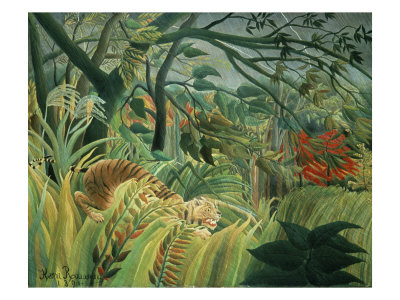
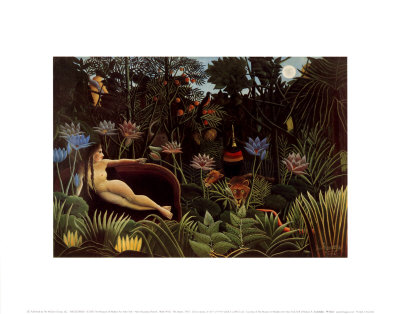
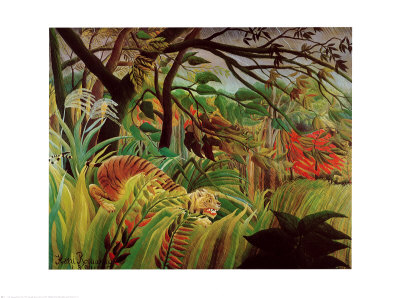
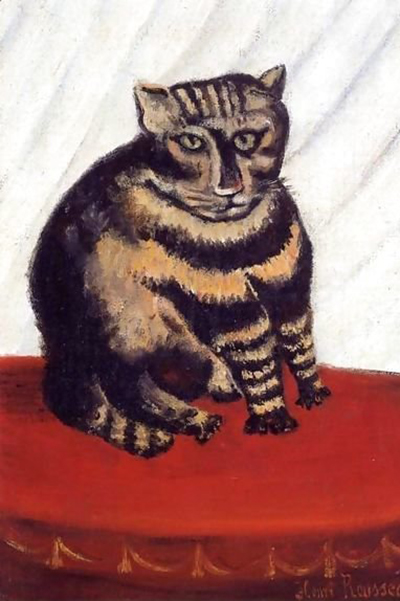
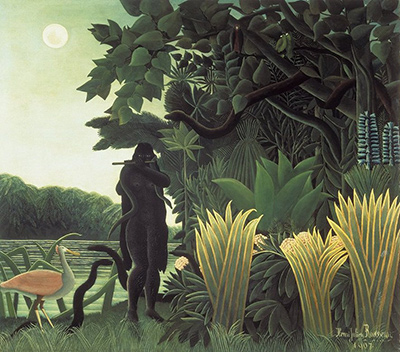
To capture the hypnotic allure of the night in art is to step into the mind of a man who found wonder in the shadows, much like Henri Rousseau did with his own unique vision. By blending the darkness of reality with the imagination of dreams, one can create compositions that feel both magically enchanting and eerily quiet. The key lies not in painting what we see, but in painting how the mind perceives the unseen.
Mastering the Architecture of Shadow
The foundation of a magical night scene is the structure itself, which must stand firm even as the world around it dissolves into mystery. Rousseau often depicted forests and gardens where the trees seemed to stretch toward the sky with impossible grace, creating a sense of depth that defies logic. When working on a night scene, begin by sketching your primary elements with precise, confident lines. Use charcoal or a dark pencil to establish the silhouettes of trees, buildings, or figures, ensuring they anchor the composition before you apply the first layer of color. This structural integrity prevents the piece from feeling too dreamlike and losing its connection to the physical world. The contrast between the solid forms and the fading light will immediately suggest a space that feels both familiar and slightly alien.
The Alchemy of Light and Color
Once the shapes are defined, the true magic occurs in the treatment of light. In the night, light is not merely an absence of darkness; it is a presence that demands attention. Avoid using white for light sources, as this can make the scene look flat or like a photograph. Instead, utilize colors that vibrate against the deep blues, purples, and blacks of the night sky. A pale yellow or sickly green can represent a lantern or moonlight, casting long, distorted shadows that twist and turn like serpents. Consider the temperature of the light: a warm, glowing fire might cast orange hues that feel inviting yet unsettling, while a cold moonbeam could leave streaks of electric blue or silver that feel detached and ghostly. The interplay of these colors should guide the viewer's eye through the composition, leading them from the center of action into the mysterious corners of the frame.
The Psychology of Eerie Atmosphere
Beyond the visual elements, the atmosphere of a night scene relies heavily on the emotional tone created by texture and brushwork. To evoke a sense of eeriness, use loose, gestural strokes for the background elements like foliage or sky, suggesting movement and an untamed force. In contrast, keep the areas where the "magic" happens—such as a window or a table—more detailed and smooth, creating a focal point of clarity amidst the chaos. This juxtaposition mirrors the human experience of trying to find order in a vast, indifferent universe. The texture of the canvas itself can contribute to this effect; a rough surface can absorb light in a way that creates subtle, shifting highlights that seem to move when the viewer's perspective changes slightly.
The Role of the Observer
Finally, remember that the night scene is often a reflection of the observer's own fears and hopes. The figures in Rousseau's paintings often seem to be waiting for something, their expressions blank or curious, adding a layer of psychological tension to the scene. When painting a night scene, consider adding a lone figure or a small group that appears insignificant against the grandeur of the night. Their actions should be simple, perhaps holding a lantern or gazing up at the stars, which emphasizes the overwhelming scale of the environment. This human element serves as a bridge for the viewer, allowing them to project their own feelings of awe and unease onto the canvas. The result is a piece that does not just depict a time of day, but captures a specific, haunting moment in time that lingers in the mind long after the painting is viewed.
To truly realize this vision, consider incorporating the following specific techniques into your workflow:
- Apply a thin wash of ultramarine blue over the entire canvas before starting details to create a unified atmospheric perspective.
- Leave small, deliberate unpainted areas on the canvas where the "void" of the night can exist, allowing the viewer's imagination to fill the gaps.
- Use a dry brush technique with heavy impasto on the foreground figures to give them a tangible, almost solid presence against the ethereal background.
- Mix a touch of crimson or magenta into your deepest shadows to introduce a subtle, unnatural warmth that unsettles the eye.
- Paint the stars not as distinct points, but as soft, glowing orbs that bleed slightly into the surrounding darkness, mimicking the way human vision struggles to focus.
- Vary the direction of your brushstrokes in the sky to create a sense of wind or movement that the viewer can feel without seeing a source.
- Allow the paint to dry before adding highlights, ensuring the light does not blur into the darkness but remains sharp and defined.
By integrating these methods, you move beyond a simple depiction of nocturnal scenes to create works that resonate with the deep, complex emotions associated with the night.
Related reading
- The Digital Brush: Reimagining the Dream World of Rousseau
- The Child in the Jungle: Cultivating the Spirit of Naïve Art
- Finding Your Own Wild Garden: A Guide to Choosing Subjects in Naïve Art
- The Artist's Canvas: Unveiling the Essentials of Naïve Creation
- Unlocking the Surreal Garden: A Guide to Finding Historical Naïve Art for Inspiration