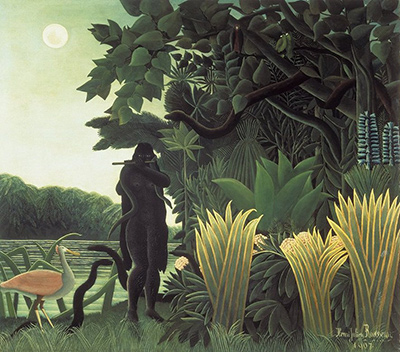
Mastering the art of depicting a bustling crowd without losing the intimate connection of a single figure requires a delicate balancing act between chaos and order. By treating the collective not as a blur of faces but as a rhythmic composition of shapes and shadows, one can create scenes where every individual seems to carry the weight and soul of the solitary portrait. This approach allows the viewer to find themselves in the center of the crowd, yet remain deeply connected to the specific humanity of one distinct subject within the throng.
Capturing the Rhythm of the Collective
To paint a crowd with the precision of a single study, the artist must first abandon the urge to render every detail with photographic accuracy. Instead, focus on the underlying rhythm that binds the group together. Think of the crowd as a living score of music, where the movement of the masses creates a melody that supports the soloist. The background figures should not compete for attention but rather provide the texture and atmosphere necessary for the main subject to stand out. By simplifying the forms of the surrounding people into abstract shapes, you create a visual harmony that directs the eye naturally toward your chosen focal point.
The Architecture of Depth and Perspective
Understanding spatial relationships is crucial when distinguishing between the crowd and the individual. In many naive and realistic works, the depth of field is used to separate the foreground from the background. The single figure should occupy a plane of focus that is sharper, more defined, and perhaps slightly larger in scale compared to the softer, more indistinct forms of the crowd behind them. Use perspective to make the distant figures appear smaller and less detailed, effectively pushing them back into the atmosphere while keeping the primary subject grounded in reality. This technique ensures that while the crowd feels immense, it does not overwhelm the personal narrative you are attempting to convey.
Guiding the Eye with Negative Space
One of the most powerful tools in your arsenal is the strategic use of negative space. The area surrounding your single figure should be treated with the same intent as the figure itself. By leaving a patch of sky, wall, or floor relatively empty or by placing a gap between the crowd and the subject, you create a visual "stage" that isolates the individual. This negative space acts as a frame within a frame, ensuring that the viewer's gaze lands directly on the person you wish to highlight. It is in these quiet, empty zones that the tension between the chaotic crowd and the calm subject is most palpable, creating a dynamic equilibrium that keeps the composition alive and engaging.
The Palette of Emotion and Atmosphere
Color plays a pivotal role in establishing the relationship between the masses and the individual. Consider using a limited palette for the crowd to suggest a sense of uniformity or anonymity, perhaps relying on earth tones or muted shades that blend together. In contrast, introduce a splash of vibrant color or a unique lighting effect on the single figure to make them pop against the monochromatic backdrop. This contrast in value and hue reinforces the idea that while the crowd shares a common experience, the individual possesses a unique emotional state. The interplay between the dark, shadowed forms of the many and the illuminated presence of the one can evoke profound feelings of loneliness amidst the multitude.
Practical Techniques for Composition
When executing this style, consider the following steps to ensure your composition achieves the desired effect:
- Identify your primary subject first and sketch their pose and placement before beginning the crowd.
- Block in the general shapes of the crowd using loose strokes, avoiding fine lines until the main figure is established.
- Layer the background figures in stages, gradually increasing the blur and decreasing the detail to simulate distance.
- Use a dry brush or a soft cloth to soften the edges of the crowd figures, integrating them into the environment.
- Step back frequently to check the balance, ensuring the crowd supports rather than distracts from the single figure.
By following these principles, you transform a complex scene of many people into a focused meditation on one. The crowd becomes a canvas upon which the story of the individual is projected, allowing the viewer to experience the overwhelming presence of the many while still feeling the quiet resonance of the one.