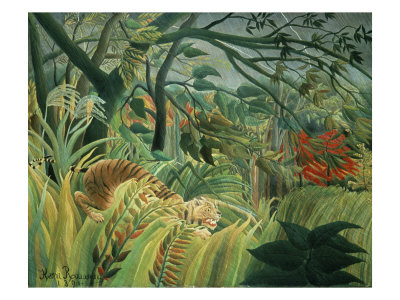
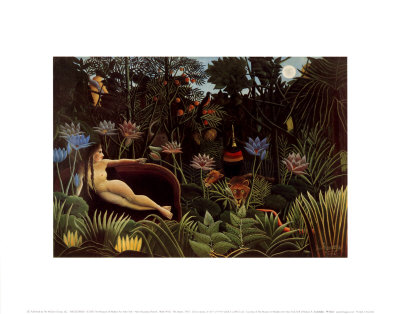
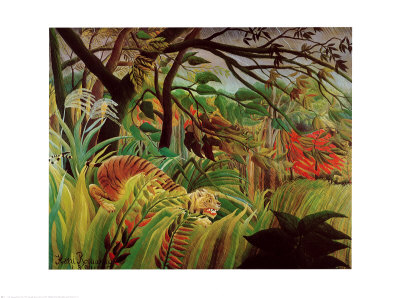
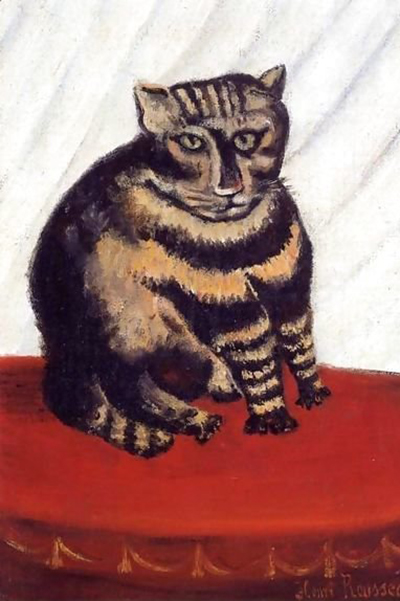
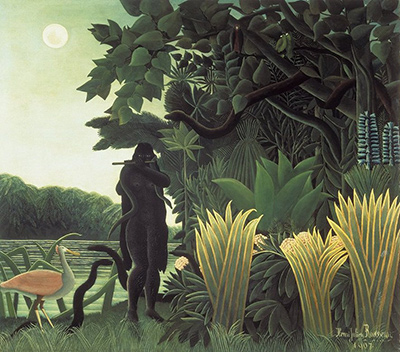
Henri Rousseau, the French painter known for his dreamlike jungle scenes, possessed a unique ability to infuse his canvases with a vibrant, almost unnatural green that seemed to pulse with life. Achieving this specific hue in modern acrylics or oils is not merely about mixing a standard emerald; it requires a delicate balance of color theory and an understanding of how light interacts with foliage in his distinctive, naive style. This guide will walk you through the practical steps to replicate the lush, glowing vegetation found in his masterpiece The Sleeping Gypsy and other iconic works.
The Foundation of Green
To begin, one must understand that Rousseau's greens are rarely created from a single pigment. They are complex compositions built upon a foundation of earth tones. Start by selecting a deep, rich green, such as Phthalo Green or a high-quality Phthalo Green Blue, as this will serve as your primary carrier. This pigment is potent and shifts slightly when mixed with other colors, which is crucial for achieving the depth he achieved. However, a deep green alone can appear flat and muddy if not carefully nuanced. You must introduce warmth to simulate the sun-dappled atmosphere of his jungle scenes. A small amount of Cadmium Yellow Hue or Burnt Sienna acts as the essential "soul" of the mixture, preventing the green from becoming too cool or clinical. The ratio should be roughly three parts green to one part warm yellow, but be prepared to adjust based on the transparency of your medium.
Mastering the Texture and Layering
Rousseau did not simply paint surfaces; he painted with a sense of tactile movement. His greens often possess a grainy, impasto quality that mimics the rough texture of bark and the fuzzy nature of leaves. When mixing, consider the viscosity of your paint. If using oil, keep some of the mixture quite thick to apply in heavy strokes, allowing the brush to leave ridges of color. If using acrylic, you may need to add a medium to thicken the paint slightly, or apply it in layers, letting each dry before adding the next. This technique builds up a surface that feels organic rather than smooth and plastic. Furthermore, observe how he blended the greens; he rarely kept them entirely separate. He would often blend a lighter, yellowish green directly into a darker, bluish green to create soft transitions that suggest the density of a thick canopy without losing individual leaf definition.
The Role of Yellow Ochre and Burnt Sienna
A critical component to achieving that signature Rousseau green is the careful integration of warm earth pigments. While Phthalo Green provides the saturation, the warmth comes from specific earth tones that are often overlooked by beginners. You should experiment with a small palette that includes Yellow Ochre, Burnt Sienna, and perhaps a touch of Cadmium Red Hue for the deepest shadows. These pigments are not just for mixing; they also act as glazing agents. By applying a very thin layer of a yellow-brown mixture over a drier, darker green base, you can create a luminous effect that makes the green appear to glow from within. This glazing technique is central to the illusion of sunlight filtering through leaves. It is essential to mix these earth tones separately from the base green and then combine them only at the application stage to maintain the distinct character of the pigment.
Practical Mixing Ratios and Adjustments
Creating the perfect shade is an iterative process that requires patience and observation. Below is a recommended workflow for establishing your base mixture:
- Begin with a capful of Phthalo Green Blue as your anchor color.
- Mix in a moderate amount of Burnt Sienna to introduce necessary warmth.
- Add a tiny pinch of Yellow Ochre to brighten the mid-tones.
- If the mixture appears too dark, introduce a touch of Titanium White, adding gradually to lighten.
- If it lacks vibrancy, incorporate a minuscule amount of Cadmium Yellow Hue.
Once your base mixture is ready, test it on a scrap piece of paper or cardboard. Look at the dry color and compare it to the reference images of Rousseau's work. Remember that pigments change as they age and dry, so the wet paint might look slightly different from the final result. Adjustments should be made to the base mixture rather than adding more layers after the paint has dried, as this can create unwanted dark spots. The goal is to achieve a green that feels alive and textured, capturing the essence of a forest that exists just beyond the viewer's imagination. By following these steps and trusting your eye, you can replicate the mesmerizing, dreamlike quality of Henri Rousseau's most famous landscapes.
Related reading
- The Digital Brush: Reimagining the Dream World of Rousseau
- The Child in the Jungle: Cultivating the Spirit of Naïve Art
- Finding Your Own Wild Garden: A Guide to Choosing Subjects in Naïve Art
- The Artist's Canvas: Unveiling the Essentials of Naïve Creation
- Unlocking the Surreal Garden: A Guide to Finding Historical Naïve Art for Inspiration