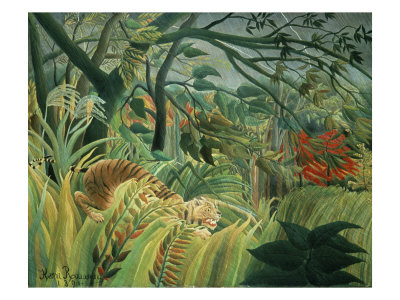
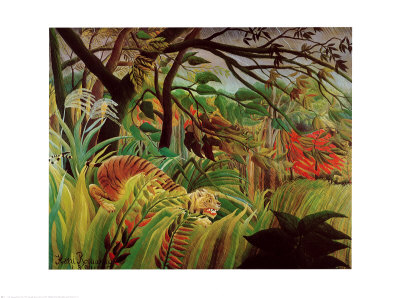
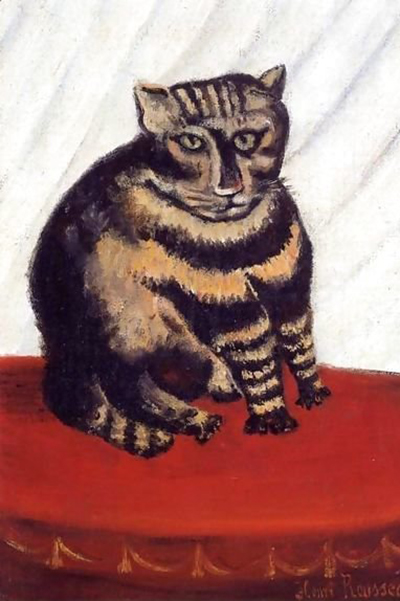
Artists and collectors alike often find themselves drawn to the intricate layers of Henri Rousseau's work, where natural elements seem to emerge from a flat, painted reality. However, replicating this depth with modern collage techniques requires a delicate approach to ensure that the underlying painted surfaces remain untouched and undamaged. Whether you are working with an existing painting or creating a new piece that mimics the style of the 19th-century French impressionist, safety and preservation must be your primary concerns when introducing textured materials like paper, fabric, or leaves.
The Foundation of Surface Analysis
Before applying any adhesive or placing a single piece of collage material onto a surface, a thorough examination of the artwork is essential. The condition of the paint layer dictates the methods available; a fragile, cracked glaze requires a completely different strategy than a robust, fresh oil painting. You must inspect the surface for loose flakes, significant craquelure, or areas of instability that could be exacerbated by the weight or chemical reaction of adhesives. Understanding the composition of the paint, the priming layer, and the varnish is crucial, as different binders react differently to solvents found in glue. If the surface is already unstable, any additional stress from lifting, pressing, or weight transfer could cause irreversible harm.
Selecting Appropriate Adhesives for Artistic Layers
The choice of adhesive is perhaps the most critical factor in preserving the integrity of your artwork. Traditional white glue, often made from wheat starch or synthetic polymers, can be problematic over time as it may yellow or become brittle, potentially causing the collage elements to lift or crack the underlying surface. Acid-free, archival-quality adhesives are the gold standard for any permanent assembly. It is vital to avoid solvents like water-thinned PVA glues that might migrate into the paint layer, causing discoloration or softening of the varnish. Instead, consider using reversible adhesives such as gelatin mounts or specialized conservation glues designed for paper collage. These allow for future removal without damaging the original surface, giving you the flexibility to adjust your composition later if necessary.
Preparing the Interface for Safety
Once the adhesive is selected, the preparation of both the backing and the collage elements must be meticulous. The surface of the paper or fabric intended for collage should be lightly textured to ensure a good bond without requiring excessive pressure that could distort the image beneath. If working directly on a painting, use a custom-made mounting board that is cut to fit the canvas exactly, ensuring that the adhesive is applied only to the back of the collage material and not to the painted surface itself. This technique prevents any direct chemical interaction with the paint. Furthermore, apply a reversible conservation varnish over the entire assembly before framing. This creates a protective barrier against dust, humidity, and UV light, which are the primary enemies of both paper and organic materials.
Managing Weight and Structural Stress
The physical weight of collage elements can be substantial, especially when using heavy paper, fabric, or dried botanical materials. If these elements are placed directly on a flat panel, the uneven weight distribution can cause the canvas to buckle or the stretcher bars to warp over time. To mitigate this, always use a rigid, acid-free backing board that is slightly larger than the artwork itself. The collage elements are adhered to this board, and then the board is attached to the artwork frame or canvas back. This distributes the weight evenly across the entire structure rather than concentrating it in one area. For very heavy elements, consider using a combination of adhesive and mechanical fastening, such as small, reversible pins, though care must be taken not to puncture the painting if it is the primary support.
Long-Term Maintenance and Monitoring
Even with the most careful application, environmental changes can affect the longevity of a mixed-media piece. Regular monitoring of the humidity and temperature in the display environment is non-negotiable. Fluctuations in moisture content can cause paper to expand and contract, leading to lifting edges or warping of the canvas. Periodically inspect the seams and corners for signs of moisture intrusion or adhesive failure. If any signs of deterioration appear, consult a professional conservator immediately. Remember that the goal is to create a harmonious visual effect that honors the original work without compromising its physical stability. By prioritizing the safety of the painted surface and using appropriate, reversible materials, you can achieve a stunning, multi-layered artwork that stands the test of time.
Here are the key safety protocols you must follow when working with delicate surfaces:
- Always perform a light-touch test in an inconspicuous area before committing to a full application.
- Ensure all tools used for handling are clean and free of dust to prevent scratching the surface.
- Avoid using tape or masking tape on the painted surface, as the adhesive can leave permanent residue.
- Maintain a consistent distance from the artwork to prevent accidental fingerprints or smudges.
- Work in a well-ventilated area to minimize exposure to volatile organic compounds from solvents.
- Keep a copy of the conservation treatment record for future reference and insurance purposes.
- Never use heat guns or irons to flatten collage elements, as extreme heat can damage the paint binder.