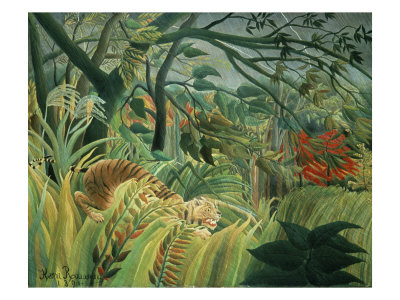
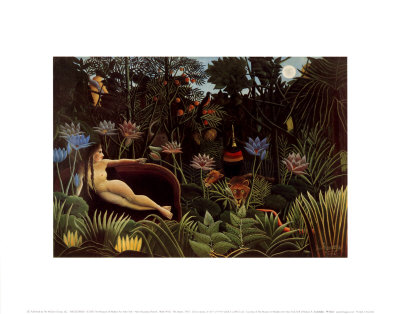
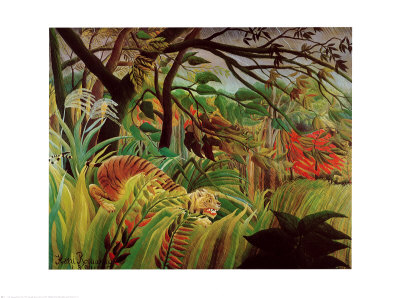
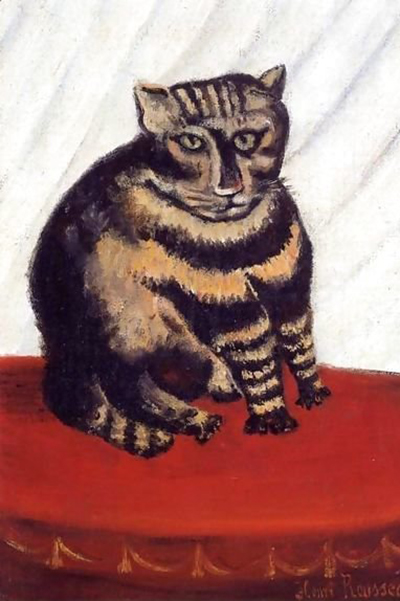
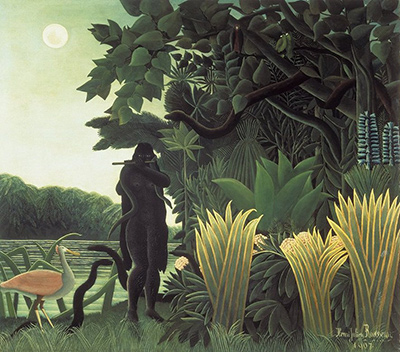
Displaying your own work as a naive artist requires a unique approach that honors the raw, unfiltered vision of the creator while ensuring the piece is presented with the professional dignity it deserves. Just as Henri Rousseau once painted his forests with bold, flat colors and intricate, almost architectural patterns without formal training, your own creations deserve a setting that allows these inherent strengths to shine without the clutter of conventional art-world pretension. The following guide will walk you through the essential steps to frame and display your naive pieces in a way that respects their origin while maximizing their visual impact for collectors and viewers alike.
Selecting the Right Frame for Raw Expression
The choice of frame is perhaps the most critical decision when dealing with naive art, as it must complement rather than compete with the artwork's unique texture and color palette. Unlike traditional academic paintings where dark, ornate frames might add gravitas, naive pieces often possess a vibrant, almost electric energy that demands simplicity and clarity. For paintings featuring thick impasto or visible brushstrokes, avoid frames with deep, recessed profiles that can obscure the edges of the canvas. Instead, opt for shallow profiles made from materials like natural wood, raw metal, or even simple white aluminum that act as a protective border without distracting from the subject matter.
When working with gouache or watercolor on paper, which are common in naive styles, the frame choice becomes even more delicate. Paper can be more fragile than canvas and prone to yellowing over time, so consider using archival-quality frames with acid-free matting. A white or cream-colored mat can provide a clean separation between the artwork and the frame, enhancing the brightness of the colors. If your piece features a bold, graphic style reminiscent of the Fauves, a dark, unadorned wood frame can ground the image, making the colors pop against the surrounding environment. Remember, the frame should feel like a natural extension of the painting itself, not a heavy hand imposed upon it.
Understanding the Matting and Spacing
The space between the artwork and the frame, known as the matting, plays a crucial role in how a naive piece is perceived. In naive art, the composition is often tight and immersive, leaving little room for the viewer's eye to wander. Adding a wide mat can sometimes make the work feel smaller or less immediate than intended. Therefore, many naive artists prefer minimal matting or even "gallery wrap" techniques where the canvas is stretched around the frame, eliminating the need for a mat entirely. This method not only protects the front of the canvas but also turns the back into a display element, showcasing the texture and thickness of the paint application.
If you choose to use a mat, ensure it is sized correctly to maintain the balance of the composition. A mat that is too wide can push the artwork back, creating a sense of distance that contradicts the often intimate nature of naive scenes. Conversely, a mat that is too narrow may clash with the frame and overwhelm the piece. For oil paintings on canvas, a thin, profiled mat in a color that matches the frame or the background wall is often the safest bet. This approach allows the artwork to breathe slightly while keeping the focus entirely on the painting's content. The goal is to create a visual path for the eye that leads directly to the subject, whether it is a whimsical garden, a nocturnal scene, or a still life of everyday objects.
Protecting the Integrity of the Piece
Beyond aesthetics, proper protection is non-negotiable when displaying naive art, which often uses vibrant, light-sensitive pigments. Ultraviolet (UV) filtering glass is essential to prevent fading, especially for works rich in reds, yellows, and blues that may have been mixed without modern chemical stabilizers. Acrylic glazing is often preferred by collectors for naive pieces because it offers better protection against dust and environmental damage while allowing a clearer view of the brushstrokes compared to traditional glass. However, acrylic can introduce slight reflections, so test it in different lighting conditions before finalizing your display.
Humidity and temperature control are equally important. Naive paintings on canvas can be susceptible to warping if the humidity fluctuates drastically, while paper-based works can tear or buckle. Store and display your pieces in environments where the temperature remains stable and the humidity stays between 40% and 50%. Avoid placing framed artwork near windows, heating vents, or air conditioning units, as direct exposure to drafts or intense sunlight can damage the surface. If you must display your work in a location with variable conditions, consider using a protective case or hanging it in a climate-controlled area of your home or studio. Regular inspections for signs of mold, pests, or discoloration should be part of your routine maintenance schedule.
Lighting and Viewing Distance
Lighting is the lifeblood of naive art, as the bold colors and distinct forms rely on illumination to be fully appreciated. Overhead lighting can cast harsh shadows that flatten the image, while insufficient light can make the vibrant hues appear dull. Aim for diffused, indirect lighting that wraps around the artwork rather than shining directly upon it. LED lights with high Color Rendering Index (CRI) ratings are ideal for this purpose, as they produce light that looks true to the original colors of the painting. Avoid warm-toned incandescent bulbs, which can alter the perception of the pigments, making them look orange or muddy.
The distance from which the viewer will see the work is another crucial factor in your display planning. Naive art often has a close, engaging quality, inviting the viewer to step in and explore the details. If the painting is large, a viewing distance of one to two feet is appropriate, allowing the eye to travel across the entire composition without losing focus. For smaller pieces, a slightly closer distance may be needed to appreciate the intricate details of the naive style. Avoid placing the artwork in areas with high foot traffic where people might bump into the frame or disturb the surface. Consider the flow of your space and ensure the artwork is positioned where it can be viewed comfortably without obstruction.
Final Assembly and Presentation
Once you have selected your frame, matting, and glazing, the final assembly should be done with care to prevent damage to the delicate layers of paint and paper. Use archival-safe fasteners such as small tacks or double-sided museum tape to secure the artwork to the backing board, ensuring that the paint surface is not subjected to excessive pressure. When hanging the piece, use heavy-duty picture hooks that can support the weight of the frame, and ensure the hang point is level using a spirit level. Adding a certificate of authenticity or a brief label with the title, date, and medium can add a professional touch, providing context for the viewer and establishing the provenance of the work.
By following these guidelines, you can ensure that your naive art is presented in a way that honors its unique origins and maximizes its appeal to an audience. The goal is to create a viewing experience that is as authentic and engaging as the artwork itself, allowing the spirit of the creator to shine through every brushstroke and color choice. With the right framing, protection, and lighting, your work can transcend its medium and become a true part of the visual landscape.
To ensure your display is truly professional, consider the following checklist before presenting your work to the public or a collector:
- Verify that all glazing materials are UV-filtered to prevent color degradation.
- Ensure the mat board is acid-free and lignin-free to prevent future yellowing.
- Confirm that the frame's depth is appropriate for the texture of your painting.
- Check that the hanging hardware is securely attached and level.
- Test the lighting setup to ensure colors appear vibrant and true to life.
- Measure the viewing distance to ensure it matches the scale of the artwork.
- Review the environmental conditions of the display area for temperature and humidity stability.
Related reading
- The Digital Brush: Reimagining the Dream World of Rousseau
- The Child in the Jungle: Cultivating the Spirit of Naïve Art
- Finding Your Own Wild Garden: A Guide to Choosing Subjects in Naïve Art
- The Artist's Canvas: Unveiling the Essentials of Naïve Creation
- Unlocking the Surreal Garden: A Guide to Finding Historical Naïve Art for Inspiration