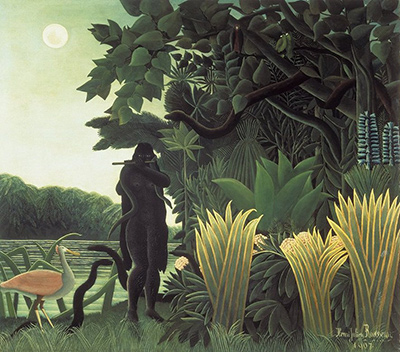
Mastering the depiction of animals within the realm of naive art requires a delicate balance between whimsical exaggeration and genuine observation. When artists like Henri Rousseau approach their subjects, they do not seek to replicate biological precision but rather to convey the essence, rhythm, and emotional truth of the creature's existence in its natural habitat.
Understanding the Naive Gaze
To avoid the trap of creating caricatures that resemble modern cartoons, one must first adopt the specific perspective inherent to naive art. Unlike academic realism, which demands anatomical correctness, naive art embraces a simplified, often flattened aesthetic where the interior logic of the artist supersedes external reality. The goal is not to show exactly what an animal looks like, but how it feels to see it through a lens of unfiltered wonder. This approach allows the artist to strip away unnecessary details, focusing instead on the silhouette, the movement, and the character of the animal. By prioritizing the unique personality of the subject over generic features, the work retains a sense of authenticity that prevents it from sliding into the realm of slapstick comedy.
The Power of Composition and Space
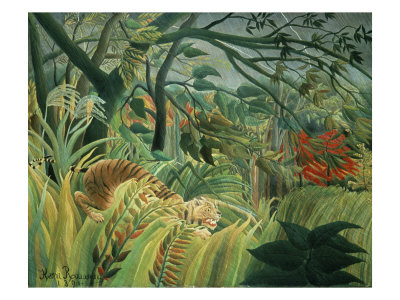
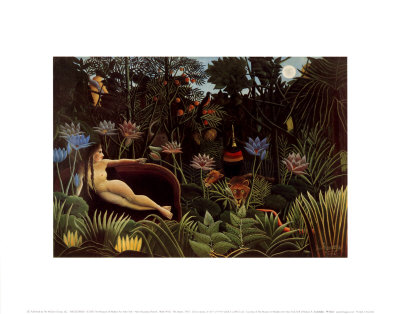
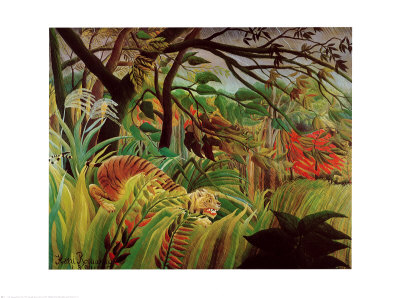
A major factor in distinguishing a naive masterpiece from a cartoonish sketch is the treatment of space and negative room. In many cartoons, animals are crowded into corners with clear boundaries, often interacting with objects in ways that feel contrived. In naive art, the space around the animal should feel breathable and fluid. Rousseau, for instance, often placed his creatures within dense, vibrant forests or open skies, allowing the animal to exist as part of a larger, breathing ecosystem rather than a standalone prop. Using large areas of white space or deep, solid colors to frame the animal can create a majestic quality. The animal becomes a focal point that commands attention without needing exaggerated proportions or silly expressions. The composition should guide the viewer's eye naturally, perhaps leading from the animal to a bird in the distance or a flower in the foreground, creating a narrative flow that feels organic and unforced.
Refining Anatomical Truths
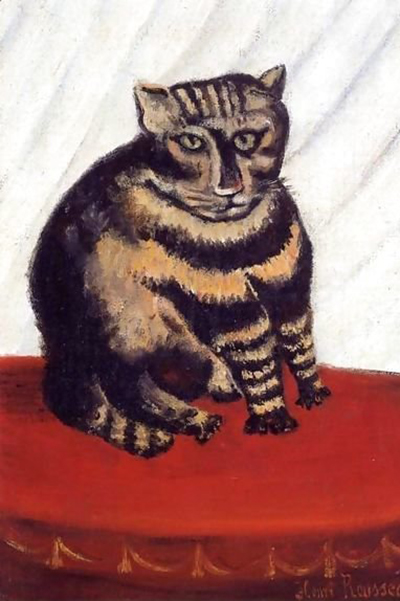
While naive art often sacrifices detailed anatomy for stylistic effect, completely ignoring the structure of the animal can lead to uncanny valley errors that look funny rather than charming. The key lies in identifying the "essential shape" of the creature. Before painting, the artist should observe the animal's primary forms: the curve of a cat's back, the sweep of a horse's neck, or the fluffy volume of a fox's tail. These shapes are universal truths that can be simplified into bold lines and blocks of color. One must avoid the temptation to make limbs too long, ears too large, or eyes too big, which are common tropes in cartoons. Instead, maintain a sense of grounded weight. Even if the fur is rendered as simple strokes or the feathers as flat patterns, the underlying structure must respect the physics of the animal's movement. This subtle adherence to form grounds the work, making the creature feel alive and present rather than like a toy designed for a child's play.
Texture and Light as Narrative Tools
Texture plays a crucial role in elevating naive animal portraits beyond the level of a cartoon. Cartoons often rely on smooth gradients or stark, high-contrast outlines that define form through shadow. Naive art, conversely, often uses a palette of earthy tones and textured brushwork to suggest the feel of fur, feathers, or scales. The artist can use dry brush techniques to mimic the roughness of a lion's mane or the soft, blended hues of a deer's coat. This textural richness adds a layer of tactile reality that prevents the image from appearing flat or manufactured. Furthermore, the handling of light should be atmospheric rather than strictly realistic. Soft, diffused light that seems to emanate from within the scene creates a dreamlike quality associated with Rousseau's jungle fantasies. This lighting scheme unifies the animal with its background, ensuring that the creature feels integrated into the world rather than pasted onto it. The interplay of light and shadow should enhance the mood, casting gentle glows or deep, mysterious shadows that invite the viewer into the animal's private world.
Preserving Emotional Resonance
Finally, the most effective way to ensure an animal portrait in naive art does not look cartoonish is to focus on genuine emotion and connection. A cartoon often relies on exaggerated facial expressions to convey a joke or a specific reaction. In naive art, the emotion should be universal and subtle—a look of curiosity, a sense of peace, or a hint of mystery. The artist should imagine themselves as a silent observer, capturing a fleeting moment of interaction between the animal and its environment. Whether the animal is sleeping peacefully in a nest or pacing restlessly in the tall grass, the energy of the pose speaks volumes. By concentrating on the animal's relationship with the surrounding nature, the artwork transcends simple representation. The creature becomes a symbol of the wild spirit, standing in harmony with the landscape, evoking a deep sense of awe and reverence in the viewer rather than amusement. This emotional depth is the hallmark of great naive art, transforming a simple drawing into a profound meditation on the natural world.
To truly capture the spirit without falling into caricature, artists should consider the following guiding principles:
- Observe the animal in motion to understand its natural rhythm and flow.
- Prioritize the overall silhouette over every single fur strand or feather.
- Use negative space intentionally to let the creature breathe within the canvas.
- Choose colors that reflect the mood of the scene rather than just the species.
- Avoid exaggerated proportions that are typical of children's animation styles.
- Focus on a single, authentic moment of expression rather than a posed reaction.
- Remember that the goal is to evoke a feeling of wonder, not to tell a punchline.
By internalizing these concepts, the artist moves beyond the surface of the animal to reveal its soul, ensuring that the work remains a profound exploration of nature rather than a mere imitation of a cartoon character.
Related reading
- The Digital Brush: Reimagining the Dream World of Rousseau
- The Child in the Jungle: Cultivating the Spirit of Naïve Art
- Finding Your Own Wild Garden: A Guide to Choosing Subjects in Naïve Art
- The Artist's Canvas: Unveiling the Essentials of Naïve Creation
- Unlocking the Surreal Garden: A Guide to Finding Historical Naïve Art for Inspiration