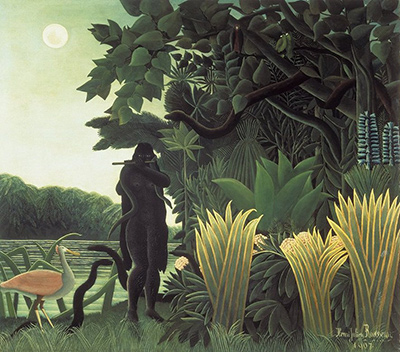
Creating a feeling of profound isolation in a painting requires more than simply placing a single figure in an empty space; it demands a deliberate orchestration of light, shadow, and negative space to evoke a psychological distance that resonates with the viewer. By manipulating the atmosphere and the relationship between the subject and their surroundings, an artist can transform a simple scene into a poignant meditation on loneliness, echoing the dreamlike, disconnected worlds often found in naive art.
The Architecture of Empty Space
The most fundamental tool for establishing isolation is the intelligent use of negative space. When a composition leaves vast areas of canvas unpainted or unoccupied, the viewer's eye is forced to travel across the blankness, creating a sense of scale and distance that feels both physical and emotional. This technique prevents the viewer from feeling like an observer intruding on a crowded scene; instead, they become a participant in the vastness, sensing the weight of the emptiness surrounding the solitary subject. The empty space should not feel accidental but rather intentional, acting as a character in itself that breathes life into the stillness.
Crafting the Emotional Void
To truly convey isolation, the artist must consider how the environment interacts with the figure. A figure standing alone in a dense forest feels different from one sitting on a lonely pier by a calm lake. The specific type of isolation depends on the relationship between the subject and the background. If the background is dark and indistinct, it suggests a fear of the unknown or a retreat into the subconscious. If the background is bright and expansive, it implies a sense of freedom but also an ache for connection that cannot be bridged by distance. The texture of the surroundings matters too; rough, chaotic lines might contrast with a smooth, quiet figure, highlighting the internal peace or anxiety of the isolated soul.
Lighting as a Narrative Device
Light plays a crucial role in separating the subject from the world around them. In works that evoke solitude, light is often used to illuminate only the figure, leaving the rest of the scene in deep shadow or twilight. This dramatic contrast, known as chiaroscuro, creates a visual barrier between the lit subject and the surrounding darkness. The light acts as a halo or a spotlight, emphasizing that the subject exists in a realm separate from the rest of reality. Conversely, a single, cold beam of light cutting through a foggy atmosphere can suggest a fleeting moment of clarity in an otherwise overwhelming and isolating environment. The temperature of the light—whether warm and distant or cool and penetrating—further nuances the emotional tone of the solitude.
Atmospheric Elements and Distancing
Elements of nature can be employed to physically and metaphorically push the subject away from the viewer. Mist, fog, or heavy rain can obscure the horizon line and soften the boundaries of the world, making the figure appear smaller and more vulnerable against the forces of nature. In many naive paintings, the simplification of natural forms contributes to this effect; a stylized tree or a geometric cloud might serve to emphasize the unnatural, dreamlike quality of the isolation. These elements prevent the viewer from finding familiar anchor points in the scene, forcing them to confront the subject's existence without the comfort of recognizable surroundings. The result is a sense of unreality that mirrors the internal state of the isolated character.
Composing for Emotional Resonance
Finally, the composition itself must guide the eye in a way that reinforces the theme of separation. Placing the figure off-center, near the edge of the canvas, can make them feel like they are stepping out of the picture world entirely. Using a limited color palette, such as muted greens, greys, and pale blues, can strip the scene of vibrancy, leaving only the essential forms to speak to the viewer. The texture of the brushwork can also be varied; loose, sketchy strokes in the background against a defined, almost painted figure can create a tactile separation. By combining these elements—the vastness of space, the direction of light, the obscuring elements of nature, and the precise placement of the subject—the artist constructs a visual narrative of solitude that lingers in the mind long after the painting is viewed.
To successfully execute this strategy, consider the following practical steps during your sketching or painting phase:
- Establish a large, unbroken area of negative space before adding any details to the subject.
- Choose a specific light source and ensure it does not illuminate the entire background uniformly.
- Use rough, aggressive brushstrokes in the background to contrast with a smooth, calm rendering of the lone figure.
- Introduce atmospheric obscurants like mist or fog to blur the edges of the landscape.
- Select a restricted palette that lacks the warm, vibrant colors typically associated with life and activity.
- Position the subject at the very edge of the canvas to imply they are leaving the frame.
- Leave significant portions of the canvas white or unglazed to maintain a sense of raw openness.