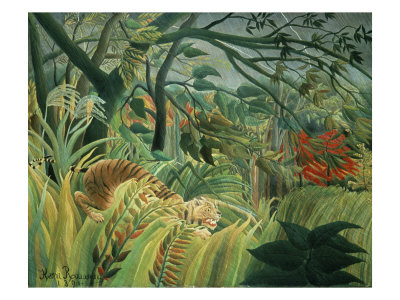
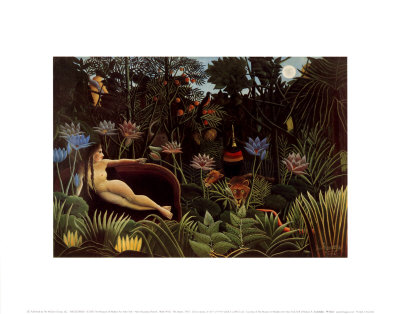
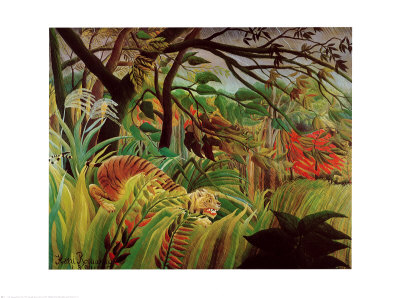
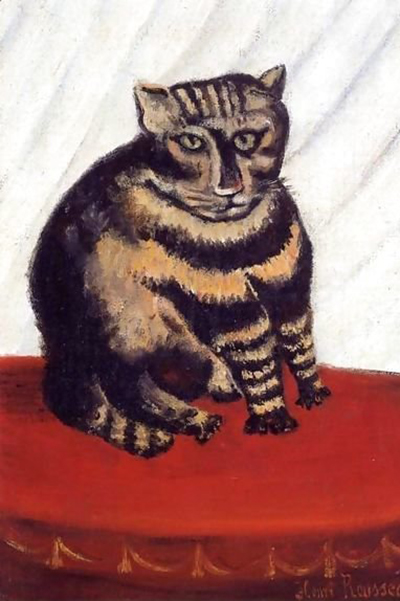
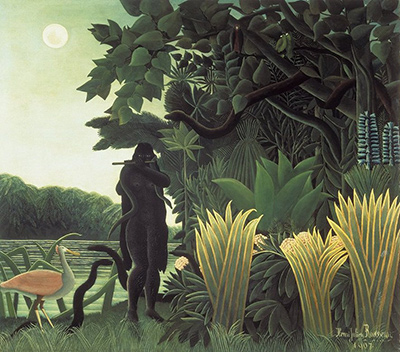
Henri Rousseau, the French painter famous for his jungle scenes and dreamlike landscapes, was also a master of the quiet still life. His approach to these intimate subjects reveals that perfect composition does not require complex theory, but rather a keen observation of how objects interact within a shared space. By adopting the structured simplicity he favored, beginners can transform ordinary still objects into captivating visual narratives that breathe with their own unique life.
Understanding the Geometry of Silence
Before placing a single fruit on a table, one must understand the invisible architecture that holds the image together. Still life is not merely a collection of random items; it is a carefully constructed stage where every element has a purpose. The foundation of this stage is the arrangement of the objects themselves. They should be grouped in a way that creates balance without feeling rigid. Imagine the composition as a triangle or an oval shape formed by the edges of the objects; this natural clustering guides the viewer's eye smoothly across the canvas. Avoid placing objects in a straight, boring line, as this creates a barrier rather than an invitation to look deeper into the scene.
A crucial element in this geometry is the concept of the "sitting figure" or the main focal point. In the style of Rousseau, this object is often larger or more textured than the others, acting as the anchor for the entire composition. Once the main object is placed, the secondary items should flow around it, creating a sense of movement and depth. This interplay ensures that the eye travels naturally through the picture, never getting stuck on one detail while missing the whole.
Arranging Objects with Intentional Space
Space is as important as the objects themselves in creating a harmonious still life. Beginners often fill every available inch of the canvas, resulting in a chaotic and cluttered image that lacks breathing room. To achieve perfection, one must learn to leave significant white space or negative area. This empty space is not a mistake; it is an active component of the painting that allows the subjects to stand out and gives the viewer room to imagine what lies beyond the frame.
When arranging your items, consider the rhythm they create. If you place a large bowl on the left, a small spoon on the right, and a single apple in the center, the eye will dance between these points. However, ensure that the spacing between objects feels deliberate, not accidental. The gaps should be of varying sizes to create visual interest, preventing the composition from feeling too uniform. Think of the arrangement like a musical chord; the objects must complement each other, and the silence between the notes (the spaces) must be just as important as the sounds (the objects) to create a beautiful symphony of vision.
The Role of the Surface and Shadow
The surface upon which the objects rest is the invisible foundation that supports the entire composition. In Rousseau's works, the tables are often simple, unadorned, and textured with subtle variations that add depth to the scene. This surface should not compete with the objects but rather serve as a neutral ground that enhances their colors and forms. Pay close attention to the shadows cast by the objects; these are the defining lines that give the scene three-dimensional quality.
Lighting plays a pivotal role here. A single light source, whether from a window or a lamp, creates a specific mood and directs the viewer's attention. The shadow should fall in a consistent direction, creating a logical relationship between the light and the objects. The interplay of light and shadow defines the form of the fruit, the texture of the fabric, and the shape of the ceramic. Without these shadows, the objects would appear flat and lifeless. By manipulating the light source and observing how it interacts with the surface, the artist can create a sense of realism and atmosphere that transcends mere representation.
Establishing a Cohesive Color Palette
A perfect still life requires a color palette that works together harmoniously. Beginners often mistake vividness for beauty, choosing bright, clashing colors that fight for attention. Instead, the goal is to create a unified visual experience where colors support one another. This can be achieved by selecting objects with analogous colors, which are neighbors on the color wheel, such as various shades of red, orange, and yellow. Alternatively, complementary colors, like blue and orange, can be used with caution to create vibrancy without discord.
The background color is particularly important in establishing the mood of the composition. A warm, muted background can make the fruit appear fresh and inviting, while a cool, greyish tone can lend a more somber or contemplative feeling. The colors of the objects should reflect the light falling upon them, avoiding unnatural or overly saturated hues that look artificial. By carefully selecting a limited range of colors and ensuring they transition smoothly into one another, the artist creates a sense of unity that makes the still life feel complete and intentional.
Finalizing the Composition
The final steps in creating a perfect still life composition involve stepping back and viewing the entire arrangement as a whole. This distance allows the artist to see relationships and imbalances that are invisible from a close-up perspective. If the composition feels cluttered, remove an object. If it feels too sparse, add a small detail that adds texture or interest. The process of creation is often iterative, requiring adjustments to the position of objects, the angle of the light, and the balance of the color palette.
To ensure your work meets the standards of a composed masterpiece, consider these fundamental checks:
- Verify that your primary focal point draws the eye immediately without confusion.
- Ensure that the negative space is utilized effectively to give subjects room to breathe.
- Confirm that the shadows cast by the light source are consistent and logical.
- Check that your color choices create a harmonious transition rather than clashing elements.
- Assess whether the texture of your surface complements the objects rather than competing with them.
Remember that the most perfect composition is the one that feels authentic to the artist's vision and the specific objects being used. There is no single "correct" way to arrange a still life, but there is a clear path to creating a balanced and engaging image through the careful consideration of geometry, space, lighting, color, and cohesion. By following these principles, inspired by the quiet observation of masters like Henri Rousseau, any beginner can create a still life that is not only visually pleasing but also deeply evocative.
Related reading
- The Digital Brush: Reimagining the Dream World of Rousseau
- The Child in the Jungle: Cultivating the Spirit of Naïve Art
- Finding Your Own Wild Garden: A Guide to Choosing Subjects in Naïve Art
- The Artist's Canvas: Unveiling the Essentials of Naïve Creation
- Unlocking the Surreal Garden: A Guide to Finding Historical Naïve Art for Inspiration