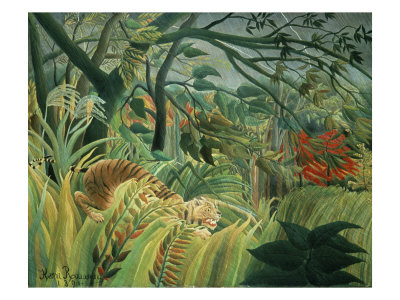
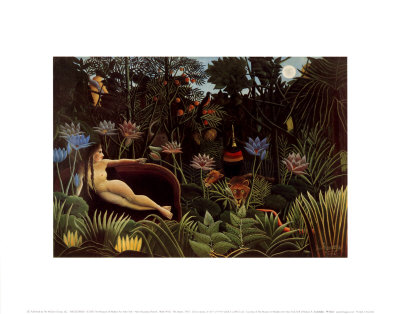
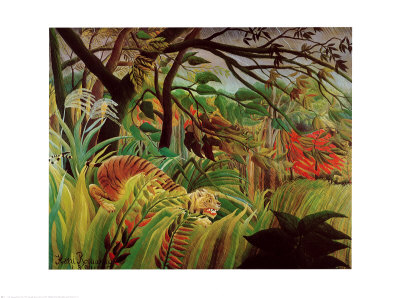
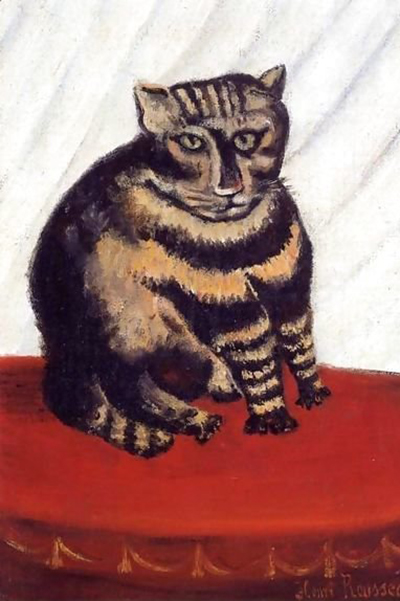
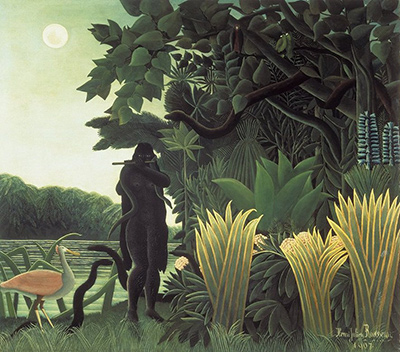
Creating a dedicated practice routine for naive art requires a mindset that embraces simplicity and intuition rather than rigid academic rules. Just as Henri Rousseau found his unique voice through spontaneous observation and bold color choices, your own artistic journey thrives on consistent, unhurried creation. By establishing a structured yet flexible checklist, you can nurture the inner child within the artist while ensuring your technical skills continue to evolve organically.
Establishing a Dedicated Sanctuary
The foundation of any successful art practice lies in the environment and the mindset it cultivates. Before picking up a brush or palette knife, you must define the physical and mental space where your naive creations will bloom. This sanctuary should be a place free from distractions, where the only goal is to capture a moment of truth or a whimsical imagination. Whether it is a sun-drenched corner of a room or a portable easel in the park, the setting should encourage immediate expression. You must decide on the specific tools that resonate with you; do you prefer the fluid lines of a pencil, the vibrant wash of watercolor, or the textured layers of gouache? Choosing your materials with intention helps ground your practice. Once the space is ready, set a specific time of day to work, perhaps early in the morning when the mind is fresh, or late at night when the world is quiet. This ritualistic approach signals to your brain that it is time to create, separating the act of painting from the chaos of daily life.
Observing the Unspoken Details
One of the hallmarks of naive art is the ability to see the extraordinary in the ordinary. Your routine should incorporate dedicated time for observation, not of the subject itself, but of the atmosphere surrounding it. Instead of merely copying a flower, ask yourself what color the light feels on its petals. Instead of drawing a street scene, focus on the way shadows stretch across the pavement as the sun dips low. This section of your checklist involves stepping away from your canvas for a few minutes to absorb the world around you. Keep a sketchbook nearby, not to produce finished pieces, but to jot down fleeting ideas, color combinations, or compositional thoughts. Ask yourself: What is the most interesting thing I see right now? How does the texture of a wall compare to the smoothness of a river? These questions train your eye to notice the nuances that might otherwise be missed. By treating observation as a primary activity, you ensure that your paintings remain fresh, alive, and deeply connected to reality, even when your style diverges from traditional realism.
Balancing Structure with Spontaneity
While intuition is the soul of naive art, some level of structure prevents the practice from becoming aimless or repetitive. You need a framework that supports your creativity without stifling it. Consider including a section in your routine dedicated to refining a specific technique, such as mastering the way to blend colors on the palette or learning a new method for applying texture. However, do not let this technical focus dominate your entire session. The balance is key; you must allow room for pure improvisation where you follow the lead of the paint rather than a pre-determined plan. Your checklist should reflect this duality by allocating time blocks for both disciplined study and free-flowing creation. For instance, spend twenty minutes reviewing a reference image or practicing a specific stroke, followed by forty minutes of unrestricted painting where you apply what you learned. This approach ensures you grow as an artist while maintaining the joyful, uninhibited spirit essential to the naive style.
Integrating Reflection into the Workflow
After completing your session, the most crucial step is reflection. This is where the seeds for future inspiration are planted. Take a moment to review what you created and consider what felt right and what felt off. Did the colors pop as you intended? Was the composition balanced, or did it feel lopsided? Did you feel a surge of joy, or did the process become frustrating? Write down these observations in a journal, focusing on the emotions and sensations rather than technical critique. Ask yourself: How can I make the next piece more vibrant? What small change could improve the flow of my work? This reflective practice turns every session into a learning opportunity. It allows you to track your progress over time and helps you identify patterns in your style. By regularly revisiting your notes, you build a deep understanding of your own artistic voice. Remember that consistency is more important than perfection; even small, joyful moments of creation add up to a significant body of work. Ultimately, the goal is to enjoy the process of making art, to find your own unique rhythm, and to let the naive spirit guide your hand with grace and confidence.
Related reading
- The Digital Brush: Reimagining the Dream World of Rousseau
- The Child in the Jungle: Cultivating the Spirit of Naïve Art
- Finding Your Own Wild Garden: A Guide to Choosing Subjects in Naïve Art
- The Artist's Canvas: Unveiling the Essentials of Naïve Creation
- Unlocking the Surreal Garden: A Guide to Finding Historical Naïve Art for Inspiration