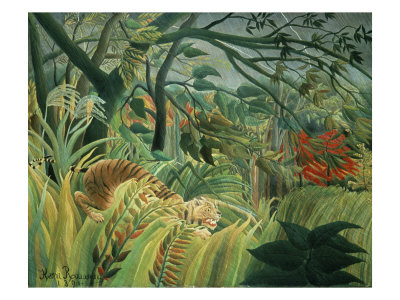
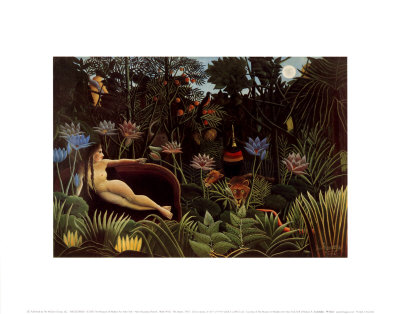
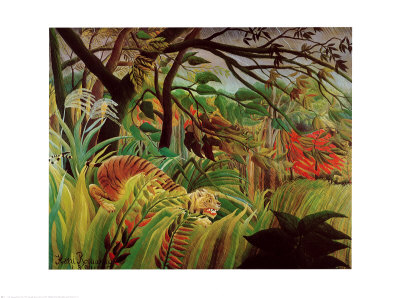
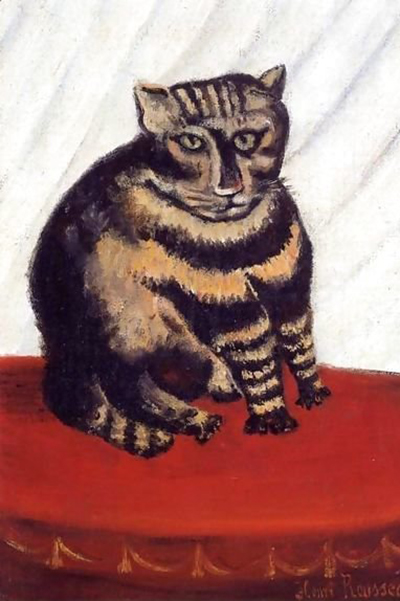
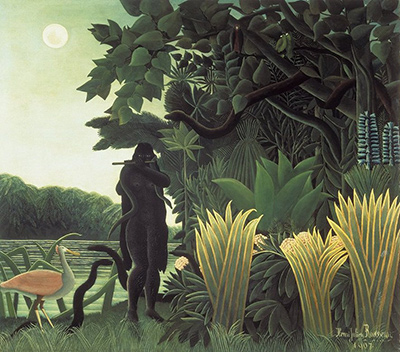
Capturing the raw, electric energy of a thunderstorm in the style of Henri Rousseau requires a delicate balance between dramatic intensity and controlled simplicity. Unlike the frantic, realistic depictions of modern impressionism, the naïve approach demands that the artist maintain a sense of calm order even while painting a scene of violent weather. By focusing on bold outlines, vibrant contrasting colors, and simplified forms, one can convey the terrifying majesty of a storm without allowing the composition to devolve into visual noise or uncontrolled messiness.
The Power of Bold Outlines
The defining characteristic of the naïve style, often associated with the work of Rousseau, is the use of distinct, unshaded black lines that separate different elements of the scene. When depicting a storm, these lines become the skeleton upon which the chaos is built. Instead of trying to render every swirl of cloud or every droplet of rain with photographic accuracy, the artist should use thick, confident strokes to define the shapes of the storm clouds and the tops of the trees. These outlines provide a structural framework that guides the viewer's eye through the composition, ensuring that the frantic movement of the weather remains contained within a readable picture plane. This technique prevents the image from feeling overwhelming by creating clear boundaries between the light and the dark, the sky and the earth, regardless of how turbulent the atmosphere appears to be.
Simplifying the Clouds
To avoid getting lost in the complexity of a storm, one must learn to abstract the shapes of the clouds. In a realistic setting, storm clouds are multi-layered, dark, and often indistinguishable from one another due to shadows. In the naïve style, however, they should be reduced to simplified, geometric forms or organic blobs that carry the weight of the weather through color rather than texture. Think of the sky as a stage where the clouds are large, dramatic props rather than intricate fabric. Use deep, almost black blues and purples to suggest the depth of the storm, but keep the internal details minimal. A solid mass of dark color is far more powerful in a naïve painting than a cloud with too many fine lines and shading variations, which can distract from the main emotional impact of the scene.
Managing the Tree Lines
The trees in a storm are the ground anchors of the composition, providing a sense of scale and stability against the moving sky. In a naïve painting, these elements should be rendered with rhythmic, repetitive strokes rather than detailed foliage. The branches can be suggested with jagged, angular lines that seem to dance in the wind, but they must remain distinct from the background. By keeping the tree lines simple and avoiding the clutter of individual leaves, the artist ensures that the trees serve as a solid base that prevents the composition from floating away in the storm. This simplification allows the viewer to focus on the dynamic tension between the rigid structure of the forest and the chaotic movement of the rain above, creating a narrative of nature's power without visual confusion.
Essential Tools for Naïve Storm Painting
Success in this genre relies heavily on the specific materials chosen to facilitate bold, unblended strokes. To replicate the look of Rousseau's work, consider the following essentials:
- Use high-quality student-grade charcoal or black paint for your defining outlines.
- Select a palette of only three primary colors to ensure maximum color impact.
- Apply paint directly from the tube to maintain the fresh, unblended texture.
- Do not use a brush to mix colors; let them sit side-by-side on the canvas.
- Work quickly before the paint dries, as the naïve style thrives on spontaneity.
Color Contrast and Atmosphere
The feeling of a storm is often conveyed through the stark contrast between the light flashes and the heavy darkness. In the naïve style, this should be achieved through flat areas of intense color rather than subtle gradations. The artist should juxtapose bright, electric whites or pale yellows against the deepest available shades of blue or black to simulate lightning strikes. This high-contrast approach creates a visual rhythm that mimics the flashing of light in the sky. Furthermore, the color palette should be somewhat limited to maintain the purity of the style. By sticking to primary colors and strong secondary hues, the painting retains a sense of clarity and purpose. The "chaos" of the storm becomes an emotional response to these bold color choices rather than a confusion of mixed pigments.
Composition and Movement
Finally, the arrangement of elements on the canvas is crucial for conveying the feeling of movement without creating a jumbled mess. In a naïve storm scene, the artist might place the heaviest clouds at the top or corners to create a sense of weight and pressure, while leaving the bottom of the canvas relatively open to suggest the earth struggling against the elements. Diagonal lines can be used to guide the eye across the picture, suggesting the direction of the wind or the flow of the rain. It is important to remember that the chaos of the storm is felt, not just seen; therefore, the composition should feel dynamic but balanced. By carefully placing the focal point of the lightning or the most dramatic cloud formation, the artist ensures that the viewer's eye has a place to rest, preventing the entire image from becoming a chaotic blur. This thoughtful arrangement allows the painting to communicate the intensity of the weather while respecting the simplicity and clarity that define the naïve aesthetic.