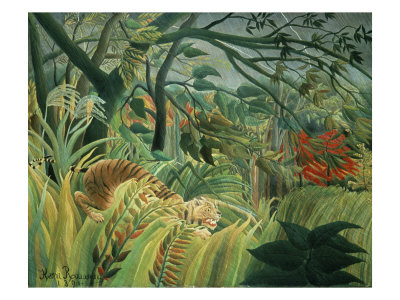
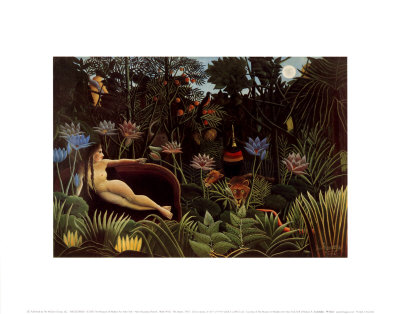
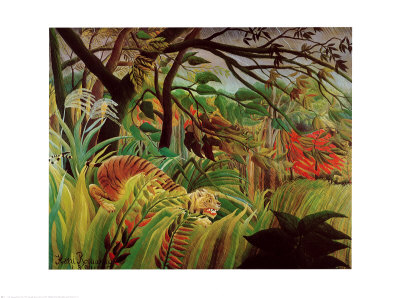
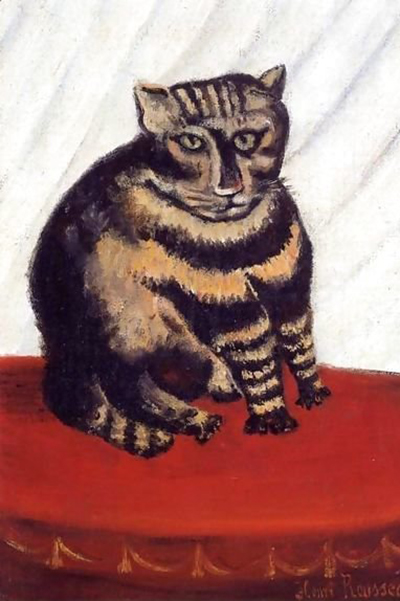
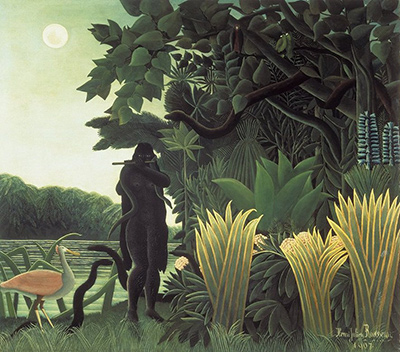
Henri Rousseau, the self-taught French master known for his lush, dreamlike forests and striking urban scenes, never left his garden or the Bois de Boulogne to sketch his subjects. Instead, he relied on a unique method of observation that allowed him to distill the essence of nature into bold, flat forms and vibrant, unnatural colors. For aspiring naive artists seeking to channel this same energy without the pressure of traditional realism, constructing a personal reference library from nature photographs is a powerful and accessible strategy. This approach bridges the gap between the mundane world and the surreal imagination, allowing the artist to focus on composition and color harmony rather than the technical intricacy of rendering every leaf and stone with photographic precision. By curating a collection of images that prioritize mood and structure over literal accuracy, one can unlock a creative freedom reminiscent of Rousseau's own visionary process, transforming ordinary snapshots into the fuel for extraordinary paintings.
The Philosophy of Selective Observation
To build an effective reference library for naive art, one must first adopt the mindset that mimics Rousseau's own practice: see the world through a lens of emotion rather than measurement. Naive art thrives on its own internal logic and decorative quality, often rejecting the rules of Western academic perspective in favor of a more intuitive, childlike, or spiritual interpretation of reality. Therefore, when gathering photos, the goal is not to document the scene as it truly exists in three dimensions, but to capture the specific lighting, texture, and emotional resonance that inspires a particular mood. This requires a shift in focus from "what is there" to "how does it feel." The artist must learn to isolate elements that speak to the soul, such as the way light filters through canopy or the stark contrast between earthy tones and vivid flowers, and discard the rest. This selective observation creates a mental archive of feelings and visual patterns that can be reassembled in the studio to create works that feel authentic yet distinctly otherworldly.
Curating the Visual Vocabulary
Once the philosophy of observation is established, the next step is the practical act of collecting and organizing images. This phase involves sifting through the digital clutter of one's camera roll to identify images that possess the necessary qualities of simplicity, boldness, and abstraction. One should look for photographs where the background is simplified, where textures are distinct, or where the color palette is naturally striking. It is crucial to avoid images that are overly detailed or realistic, as these can anchor the painting in a style that contradicts the naive aesthetic. Instead, the goal is to find images that act as prompts, sparking an idea for a new composition. These images should serve as a playground for experimentation, where the artist can play with lines, shapes, and hues without the constraint of matching the original photo exactly. The library becomes a dynamic tool for discovery, constantly offering new possibilities for how to translate the complexity of nature into the simplicity of the naive style.
The Art of Abstraction in Reference
A critical component of building this library is learning to abstract the photographic evidence before ever picking up a brush. This means mentally stripping away the specific details of the subject and focusing on the underlying structure, such as the rhythm of a tree line or the geometric arrangement of a flower bed. When reviewing a photo, ask yourself how the light defines the form and what colors would best represent the atmosphere rather than the actual pigments. For instance, a dull gray morning might be transformed into a scene dominated by iridescent blues and greens, just as Rousseau often did. By practicing this abstraction during the research phase, the artist prepares the mind to make those same bold interpretive choices in the studio. This mental exercise ensures that the final painting is not a mere copy of a photo, but a new creation born from the artist's unique perception of the natural world.
Developing a Personal Style Through Curation
The final stage of building a reference library is the synthesis of the gathered materials into a coherent personal style. As the artist reviews their collection, they will begin to notice recurring themes, preferred palettes, and compositional favorites that align with their artistic vision. This is where the library evolves from a simple storage of images into a true catalyst for creativity. By consistently using these curated references, the artist develops a recognizable voice that echoes the spirit of naive art without necessarily copying the works of the past. The library becomes a safe space to experiment with the interplay of flat planes of color and unexpected perspectives. Over time, the images within the collection will no longer just inspire individual pieces; they will collectively shape the artist's broader aesthetic, ensuring that every new work remains true to the intuitive and vibrant heart of the naive tradition while remaining distinctively personal.
To ensure your collection remains a robust foundation for future works, consider implementing a strict curation protocol that filters out weak imagery. You might adopt the following specific steps to refine your archive:
- Delete any image that attempts to render realistic shadows or vanishing points.
- Save only shots where the dominant color is a single, intense hue or a complementary pair.
- Remove photos of busy, chaotic scenes that lack clear focal points.
- Keep images that feature strong geometric outlines or repetitive patterns.
- Archive pictures where the light source is clearly defined by a single direction.
- Discard any reference that requires high-resolution detail to be understood.
- Save only those images that evoke a specific emotional response within you.
By adhering to these guidelines, you ensure that your reference library acts not as a constraint, but as a springboard for the kind of bold, imaginative work that defines the naive art movement.
Related reading
- The Digital Brush: Reimagining the Dream World of Rousseau
- The Child in the Jungle: Cultivating the Spirit of Naïve Art
- Finding Your Own Wild Garden: A Guide to Choosing Subjects in Naïve Art
- The Artist's Canvas: Unveiling the Essentials of Naïve Creation
- Unlocking the Surreal Garden: A Guide to Finding Historical Naïve Art for Inspiration