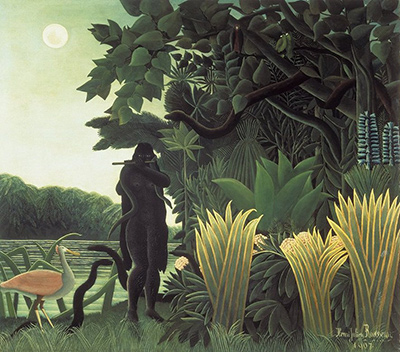
The question of whether Naive Art is a formal art movement or merely a reflection of an artist's personal choice often confuses collectors and historians alike. This ambiguity arises because the term "naive" can sound pejorative, implying a lack of training or sophistication, yet these works possess a profound integrity and unique vision that defies easy categorization. By examining the origins of the movement, we can see that it is both a historical phenomenon and a timeless expression of individual creativity.
The Historical Context of the Term
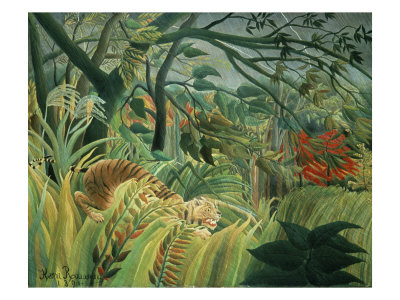
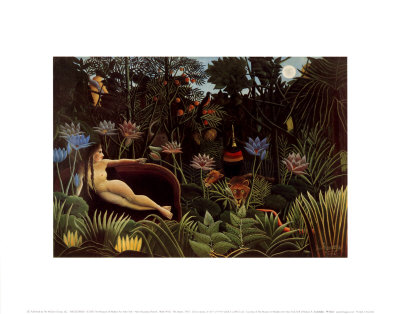
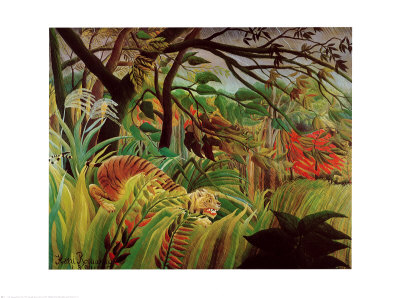
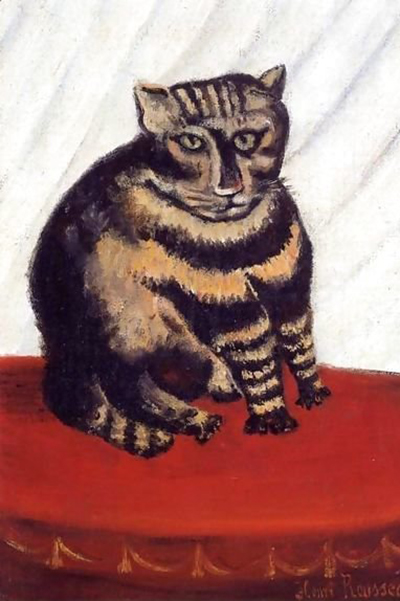
To understand the debate, one must first look at the origins of the word "naive." In the late 19th and early 20th centuries, critics used this term to describe artists who appeared untrained or undeveloped, often dismissing their work as amateurish. The movement gained significant traction when Henri Rousseau, known as the "Sleeping Gypsy," presented his work to the Salon in 1895. His paintings of lush jungles and nocturnal scenes shocked the establishment because they lacked the rigorous academic technique of the Parisian masters. Rousseau was, in fact, an untrained man who had served in the army and worked as a customs clerk before pursuing art.
His success sparked a broader interest in artists who painted from memory and imagination rather than direct observation, or who claimed they painted from life without formal education. This period marked the beginning of what we now recognize as Naive Art, a term that has evolved from a criticism into a respected category in art history. It is crucial to acknowledge that the movement was not invented by a single group but rather emerged organically from various artists across Europe and beyond, each bringing their own unique perspective to the canvas.
The Spectrum of Personal Expression
While the historical roots provide a framework, the modern definition of Naive Art is deeply rooted in the personal choices of the creator. Many artists today adopt this style not to mimic the past, but to express their inner world, childhood memories, or specific cultural backgrounds. For some, it is a deliberate rejection of complex techniques in favor of raw emotion and simplicity. This personal choice allows for a direct connection between the artist and the viewer, bypassing the barriers of academic critique.
The Duality of Technique and Intention
It is important to recognize that having a naive style does not mean the artist lacks skill. In fact, many naive artists are highly skilled craftsmen who choose to simplify their forms. They may struggle with linear perspective or realistic proportion, yet they maintain a coherent vision and technical control over their medium. This duality is what makes the genre so fascinating; it is a collision of intention and execution where the outcome is not always the product of a specific curriculum, but rather the result of the artist's unique journey. Whether an artist is influenced by folk traditions, religious iconography, or modern abstract movements, the style serves as a vehicle for their personal narrative.
Common Characteristics Across Movements
When analyzing the works within this genre, one can identify recurring themes and visual elements that distinguish them from academic art, regardless of the specific artist's background. These characteristics often include bold colors, exaggerated proportions, and a focus on emotional content over physical realism. The compositions often feel dynamic and energetic, as if the viewer is stepping directly into the artist's imagination.
The diversity of this field is vast, encompassing styles that range from the vibrant, pattern-heavy works of African and Oceanic traditions to the whimsical, storybook scenes of European rural artists. Below are some of the most common traits found across different naive art movements:
- A strong emphasis on flat planes of color rather than deep shading or gradient transitions.
- Distorted or exaggerated figures and landscapes that prioritize emotional impact over anatomical accuracy.
- Bright, saturated palettes that often defy the natural lighting conditions of the scene.
- Repetitive patterns and motifs that suggest a connection to traditional folk or tribal art forms.
- A narrative quality where the painting tells a story or captures a specific moment in time.
The Role of Perception in Classification
Ultimately, the classification of Naive Art as a formal style or a personal choice depends largely on the observer's perspective and the context in which the work is viewed. If one looks at the movement as a whole, it is certainly a formal category with a defined history, critical reception, and market value. However, if one focuses on the individual artist, their motivation, and their specific approach, it becomes a deeply personal expression that transcends academic definitions.
The debate itself highlights the richness of the genre. It challenges us to reconsider what constitutes "skill" in art and to appreciate the value of authenticity over perfection. Whether an artist is following a historical precedent or simply following their own heart, the result is a body of work that resonates with audiences on a universal level. By embracing the duality of style and personal choice, we can better appreciate the enduring legacy of artists like Rousseau and the countless others who have contributed to this vibrant and evolving world of naive art.
Related reading
- The Digital Brush: Reimagining the Dream World of Rousseau
- The Child in the Jungle: Cultivating the Spirit of Naïve Art
- Finding Your Own Wild Garden: A Guide to Choosing Subjects in Naïve Art
- The Artist's Canvas: Unveiling the Essentials of Naïve Creation
- Unlocking the Surreal Garden: A Guide to Finding Historical Naïve Art for Inspiration