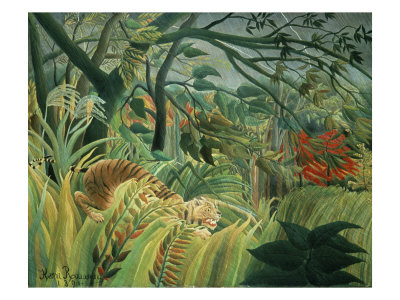
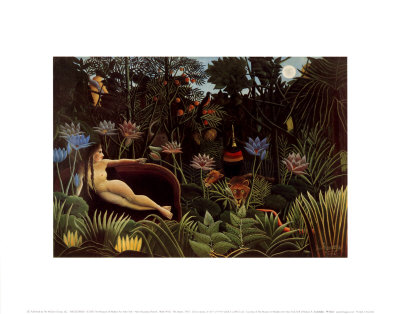
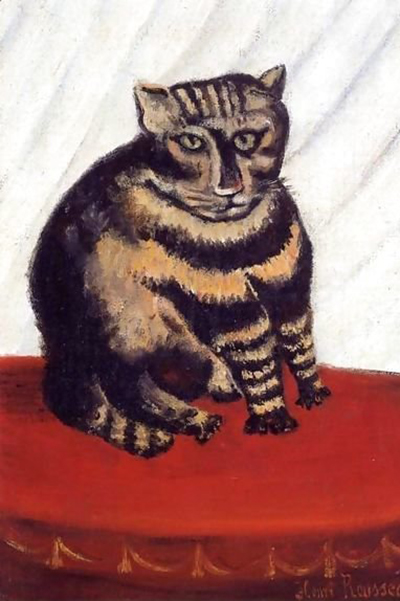
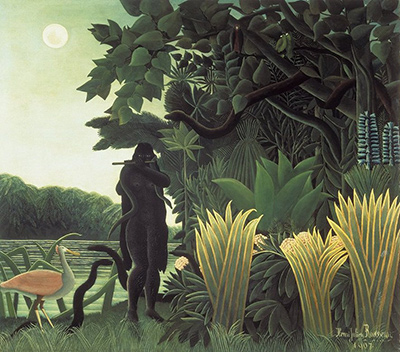
Embracing the spirit of Henri Rousseau requires more than just a brush and a canvas; it demands a specific relationship with materials that mirrors the artist's unburdened imagination. In the contemporary landscape of 2024, finding the perfect balance between traditional naive aesthetics and modern practicality can seem daunting, but the right toolkit transforms that struggle into a joyful discovery. This guide distills the essential elements every aspiring naive artist needs to begin their journey, ensuring your creative voice remains clear, vibrant, and truly unrefined.
The Foundation of Freedom: Surface and Support
The canvas or paper you choose is the silent partner in your artistic dialogue. In naive art, the texture of the support often contributes to the visual rhythm, acting as an imperfect backdrop that allows the artist's hand to speak directly without the interference of overly smooth surfaces. For beginners, heavy-weight cotton gessoed panels offer the stability needed for bold strokes while maintaining the rigidity that supports dramatic perspective shifts common in Rousseau's work. Alternatively, thick, cold-pressed watercolor paper provides a unique resistance that can mimic the tactile quality of oil or acrylic textures when used with specific mediums. The key is not to find the "perfect" blank slate, but rather a surface that invites error and embraces the raw energy of the application. Whether you are working on a large floor-to-ceiling installation or a small, intimate sketch, the support must be durable enough to withstand the vigorous, expressive movements characteristic of this style.
Mastering the Palette of Simplicity
Color is the lifeblood of naive art, where simplification does not mean dullness but rather a heightened clarity of form and emotion. A naive artist needs a curated selection of pigments that allow for intense saturation and pure, unblended hues. Instead of a vast array of mixed shades, focus on acquiring primary colors (red, blue, yellow) along with white, black, and a vibrant green. These core pigments can be mixed to create a wide range of greens, browns, and earth tones without diluting the vibrancy of the original colors. High-quality oil pastels or acrylics are particularly effective for achieving the luminous quality found in many naive works. They allow for layering and blending that creates depth while maintaining the flat, graphic quality essential to the style. Keep your palette simple; the magic lies in the purity of the hue and the confidence with which it is applied.
Brushes and Tools for the Bold Hand
The tools used to apply paint are extensions of the artist's intent, and in naive art, they must facilitate freedom of movement. Large, flat brushes with natural bristles are indispensable for covering broad areas of color quickly and creating sweeping, confident strokes that define the landscape. Smaller, round brushes offer precision for detailing foliage, flowers, and facial features without losing the overall loose quality of the piece. Stencils and rubber stamps have also become increasingly popular in modern naive practice, offering a way to incorporate patterns and textures that might be difficult to achieve by hand alone. These tools allow for the creation of rhythmic repetition and decorative elements that enhance the composition. Whether using a standard set or custom-made tools, ensure they are of high quality to withstand the vigorous handling required by this medium.
The Role of Mixed Media in Modern Naive Practice
In 2024, the boundaries between traditional painting and mixed media are increasingly blurred, offering new avenues for expression that honor the spirit of the past while embracing contemporary innovation. Beyond the standard brushes and paints, artists can incorporate collage elements, found objects, and textured papers to create a rich, multi-dimensional surface. This approach not only adds visual interest but also reinforces the idea of art as a collection of disparate elements coming together in a harmonious whole. Consider using washi tape to create geometric divisions, or integrating fabric scraps to mimic the organic forms found in nature. These additional materials can transform a simple painting into a complex, interactive experience that challenges the viewer's perception. By integrating these mixed media elements, the artist can expand the vocabulary of naive art, creating works that feel both timeless and distinctly modern.
The Final Polish: Fixatives and Preservation
Once the creative impulse has been fully expressed, the final step involves securing the artwork against the ravages of time. A quality varnish or fixative is crucial for protecting the layers of paint, pigment, or mixed media from dust, humidity, and UV light. For outdoor installations or works intended for display in high-traffic areas, a matte or satin finish varnish can provide an additional layer of protection without compromising the visual clarity of the piece. Proper framing is equally important; using acid-free mats and archival-quality frames ensures that the artwork remains vibrant and intact for generations. Taking care to store and transport these pieces correctly will ensure that the raw energy and authentic voice of the naive artist remain preserved for all to see and appreciate.
Essential Checklist for the Aspiring Naive Artist
To ensure you are fully prepared before your first stroke, consider adding the following items to your collection:
- A heavy-duty canvas board suitable for acrylic or oil.
- A dedicated palette knife for applying thick impasto textures.
- A set of archival-quality acrylic paints in primary and secondary hues.
- A variety of natural bristle brushes ranging from small detail sizes to large flat ones.
- A spray bottle of water and a jar of turpentine or odorless mineral spirits.
- A piece of charcoal or pencil for sketching your initial composition.
- A protective spray sealer for finishing your work.
- A sturdy wooden easel to keep your workspace stable and upright.
By assembling these essential tools and understanding their role in the creative process, you are well-equipped to embark on your own journey into the world of naive art. The path forward is not about technical perfection but about the fearless expression of your unique vision, guided by the principles that defined masters like Rousseau and continue to inspire artists today.