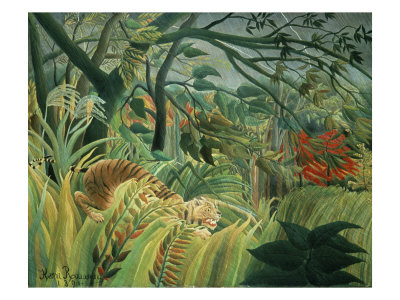
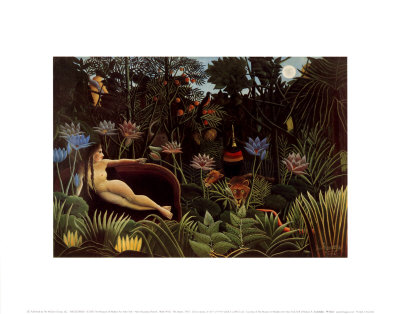
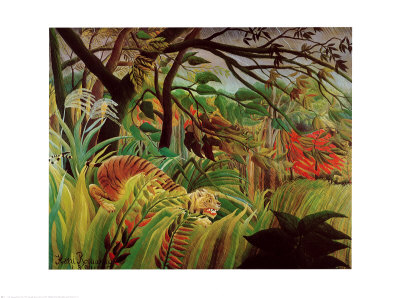
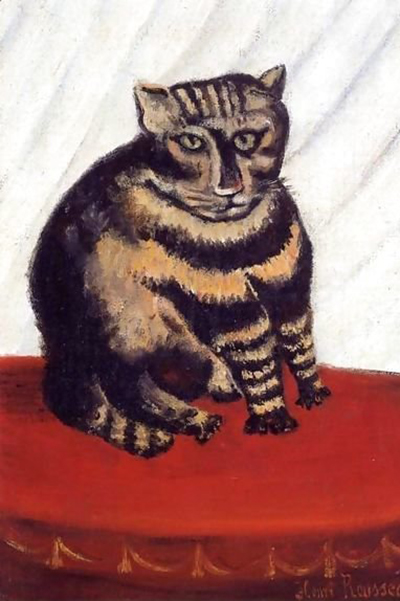
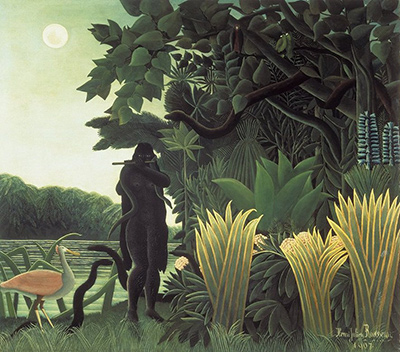
The deliberate application of metallic gold leaf has long served as a narrative device within art history, transforming ordinary scenes into mythic realities. While the painter Henri Rousseau famously avoided such metallic embellishments in his own vibrant jungle landscapes, the broader tradition of naïve art frequently employs gold to denote divinity, wealth, or the eternal nature of the subject. As contemporary artists revisit these folkloric techniques, a distinct divergence emerges between the hand-crafted sanctity of traditional methods and the bold, often synthetic, application found in modern reinterpretations.
The Sacred Gilding of Tradition
In the realm of traditional naïve art, particularly within the contexts of Mexican folk art or certain rural European customs, gold leaf is not merely an aesthetic choice but a theological and ritualistic necessity. These artists often sourced their materials from specific local artisans or imported sheets known for their durability and rich hue. The process was meticulous, requiring patience and a deep understanding of the substrate to ensure the gold adhered properly to the canvas or wood. This laborious application created a physical barrier between the viewer and the holy or precious element depicted, reinforcing the idea that the image was not just paint, but a vessel of spiritual significance. The result was a subtle, shimmering quality that caught the light in a way that felt organic and unforced, grounding the miraculous within the tangible world of the village.
The Modern Shift Toward Boldness
Conversely, modern interpretations of naïve art have often abandoned the slow, traditional gilding process in favor of more immediate and expressive applications. Contemporary creators may use pre-cut gold leaf, gold paint, or even metallic acrylics to achieve a look that is more uniform and intensely vibrant. This shift reflects a broader trend in modern art where the "naïve" aesthetic is often stylized and commercialized. The gold in these works often lacks the subtle depth of the traditional leaf, instead offering a flat, striking surface that demands attention immediately. This modern approach prioritizes visual impact and symbolic clarity over the ritualistic history of the material, creating a dialogue where the old technique is recognized but transformed to fit current artistic sensibilities and market demands.
Techniques of Application and Texture
The method of application defines the character of the final work, creating a tangible difference in texture and light interaction. In traditional settings, the gold leaf was often applied as a single, thin layer over a wash of color, allowing the underlying pigments to peek through in places where the leaf was slightly worn or uneven. This created a complex interplay of light and shadow, giving the gold a sense of volume and age. Modern artists, however, frequently apply the gold more heavily, sometimes in thick impasto layers or using high-gloss mediums to seal the metal. This results in a surface that reflects light more uniformly, resembling polished gemstones rather than hammered metal. The texture in traditional pieces often tells a story of the artist's hand and the passage of time, whereas modern pieces often feel polished, new, and intentionally glossy, stripping away the narrative of imperfection found in the older traditions.
Practical Considerations for the Artist
For those looking to incorporate gold into their own naïve style, understanding the distinction between these two eras offers valuable guidance on technique and material choice. Traditionalists might opt for real 24k or 22k gold leaf, requiring a gesso ground and careful sanding to achieve the desired texture. They accept the risks of tarnishing and wear as part of the artwork's biography. Modern practitioners might find more success using metallic gold acrylics or heavy gold leaf applied with thick glazes, allowing for greater control over the final opacity and sheen. Whether choosing the humble, ancient gold of the past or the brilliant, synthetic gold of today, the artist must consider how the material interacts with their specific light sources and thematic goals, ensuring that the gold serves the story rather than merely decorating the surface. The decision to use gold, and how it is applied, ultimately defines the bridge between the folkloric past and the avant-garde present.
- Traditional gilding often involves hand-cutting leaf to specific shapes for symbolic figures like saints or angels.
- Modern artists frequently utilize pre-painted metallic foils that come in standard sizes for efficiency.
- Traditional works may show signs of age, such as slight discoloration or flaking, which adds to their authenticity.
- Contemporary pieces often employ UV-resistant sealants to preserve the intense shine of synthetic gold.
- The choice of substrate differs, with traditional artists using wood or stretched canvas, while modernists may experiment with mixed media.
Beyond the material properties, the symbolism attached to gold has evolved significantly over time. Historically, in naïve traditions, gold represented the divine, the soul, or the unchanging laws of nature. It was a signifier of something that transcended the mortal realm. In modern naïve art, this symbolism has become more fluid and sometimes ambiguous. Gold may represent wealth, success, or simply a pop-art reference to luxury, detached from its spiritual origins. Some modern artists intentionally juxtapose the sacred gold against gritty, realistic, or surreal backgrounds to create cognitive dissonance, challenging the viewer's perception of value and reality. This evolution shows how the language of naïve art remains alive, adapting its core vocabulary to speak to contemporary anxieties and desires rather than just preserving historical accuracy.