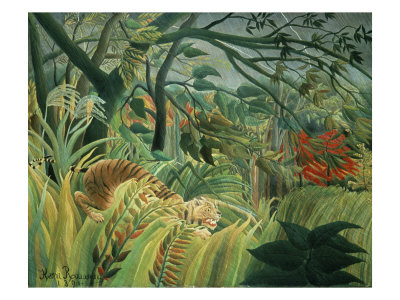
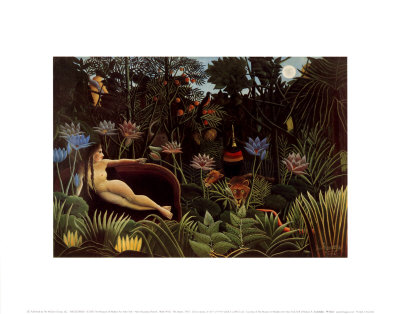
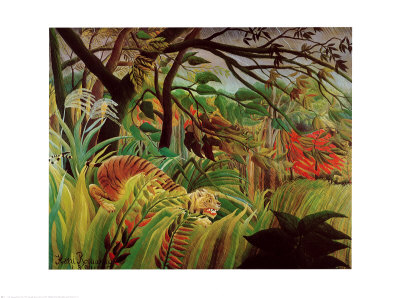
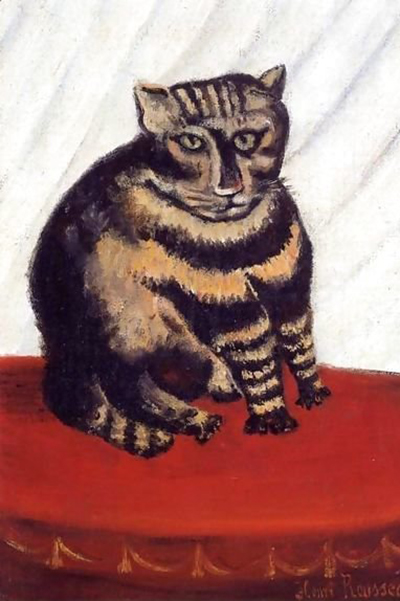
The evolution of art consumption has created a fascinating dichotomy, particularly regarding the reception of naïve art. While Henri Rousseau and his contemporaries once relied on the hushed reverence of museum halls to define their legacy, the internet has democratized access, turning online galleries into vibrant hubs for discovery. This shift presents a unique challenge: does the digital realm truly rival the intimate, tactile experience offered by physical institutions? To answer this, we must examine how different audiences engage with these works across mediums.
The Sanctuary of the Physical Museum
Museums remain the traditional sanctuaries where naïve art resides, offering an atmosphere that screens and pixels simply cannot replicate. When visitors step into a gallery, they are immersed in a curated environment designed to silence distractions and heighten focus. The lighting is carefully calibrated to highlight texture and brushstroke, allowing the viewer to appreciate the physical presence of the canvas. For works by artists like Rousseau, characterized by bold outlines and unexpected color combinations, this physical proximity is essential. The scale of a painting changes when one stands before it in a gallery versus viewing a small thumbnail on a screen. The museum provides a narrative context, often accompanied by detailed placards explaining the historical significance of the movement, the artist's biography, and the socio-political climate that inspired the work. This educational layer is crucial for understanding why these artworks were revolutionary when they were first created. Furthermore, the communal aspect of a museum visit adds a layer of engagement; hearing others react to a piece creates a shared emotional experience that is lost in solitary browsing.
The Accessibility of the Digital Space
In contrast, online galleries and digital archives offer an unparalleled level of accessibility that physical institutions often struggle to match. A visitor can explore thousands of naïve art pieces from around the globe within minutes, bypassing geographical barriers and ticket costs. This democratization allows the public to engage with art they might never encounter in person, fostering a wider appreciation for the genre. Online platforms often provide high-resolution images that allow users to scrutinize details invisible to the naked eye in a physical setting. They facilitate a form of interaction where the viewer controls the pace, pausing to linger on a specific composition or comparing multiple works side-by-side. For researchers and students, digital collections serve as invaluable resources, enabling deep dives into specific periods or themes without the logistical hurdles of traveling to a specific location. The ease of sharing these images on social media further amplifies their reach, introducing naïve art to new demographics who might otherwise remain disconnected from the field.
The Comparative Depth of Engagement
While digital platforms excel in breadth, physical museums often win on depth of engagement. The emotional impact of a large-scale naïve painting is fundamentally altered by its physical dimensions and the play of light and shadow in a real room. A museum can transform a simple landscape into a monumental experience, evoking a sense of awe that a static image on a monitor cannot quite capture. The "aura" of the original artwork, a concept discussed by critics for decades, is most fully realized in the physical space. Moreover, the ritual of visiting a museum involves a commitment of time and effort, which often leads to a more serious and reflective mode of viewing. In a museum, the audience is generally respectful and attentive, creating a collective focus that enhances the interpretive power of the exhibition. This shared intentionality helps viewers connect more deeply with the emotional core of the naïve style, which often deals with dreams, fantasy, and the untamed spirit of nature.
The Role of Context in Interpretation
Context is perhaps the most significant differentiator between the two environments, influencing how the artwork is understood and valued. In a museum, curators have spent years researching the artist's life, the specific historical moment of creation, and the technical aspects of the medium. This research is woven into the walls, lighting, and layout of the exhibition, providing a rich tapestry of information that frames the viewer's perception. An online image, while potentially high quality, often lacks this comprehensive context unless the digital curator goes to great lengths to provide extensive background. Without the physical separation of the artwork from the viewer, which museums use to create distance and allow for contemplation, digital viewing can sometimes lead to a superficial consumption of the piece. The text, the guide, and the quiet space of a museum work together to create a narrative that guides the visitor through the artwork's meaning, a process that is difficult to replicate in a scrollable webpage.
The Future of Hybrid Exposure
Ultimately, the popularity of naïve art is being reshaped by the interplay between these two worlds. Museums are increasingly leveraging digital tools to extend their reach, while online platforms are becoming more sophisticated in providing context and depth. The future likely lies in a hybrid model where the physical museum serves as the anchor for the authentic experience, supported by digital tools that enhance understanding and broaden access. Both environments have their place, and the true popularity of naïve art is found in the synergy between the tangible beauty of the canvas and the infinite possibilities of the digital archive. Whether one is standing before Rousseau's "The Night Parade in the Village" in a glass case or admiring a digital reproduction on a tablet, the emotional resonance of the art remains the ultimate goal, bridging the gap between the physical and the virtual.
To navigate this complex landscape effectively, observers should consider the following specific factors when deciding where to view a work:
- Prioritize physical visits for large-scale pieces where texture and shadow are critical to the composition.
- Utilize online archives for rapid browsing of lesser-known artists or specific thematic clusters.
- Seek out museums that offer dedicated digital companion apps to bridge the contextual gap.
- Use social media to discover local exhibitions that align with personal interests in naïve styles.
- Recognize that the "aura" of the original is irreplaceable, even when a high-resolution scan is available.
- Consider the educational value, as museum placards often provide deeper historical nuance than generic captions.
- Remember that the communal energy of a gallery visit creates a unique interpretive layer absent in solitary digital viewing.
By balancing the tactile richness of the physical world with the expansive reach of the digital realm, we can ensure that the spirit of naïve art continues to thrive in all its forms.