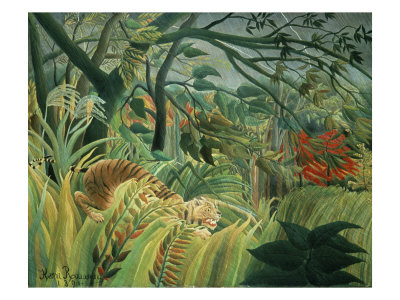
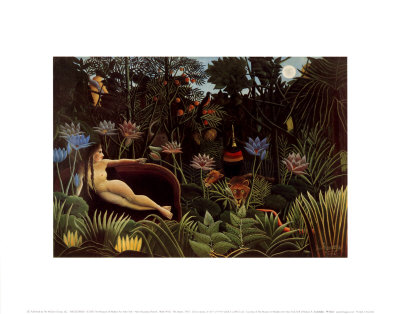
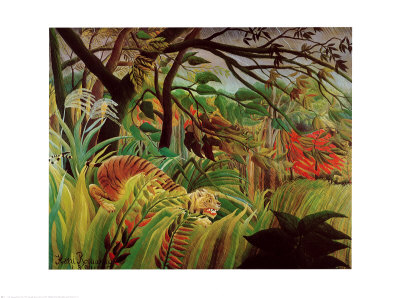
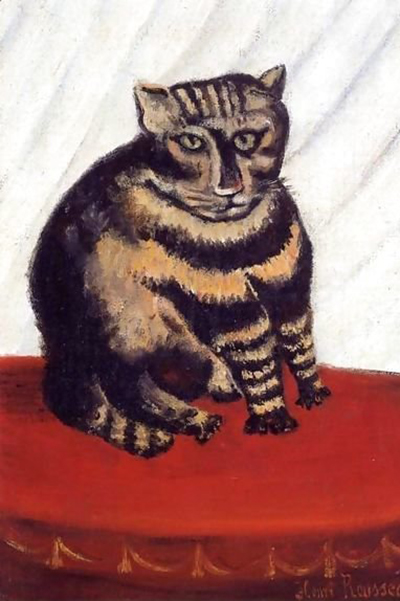
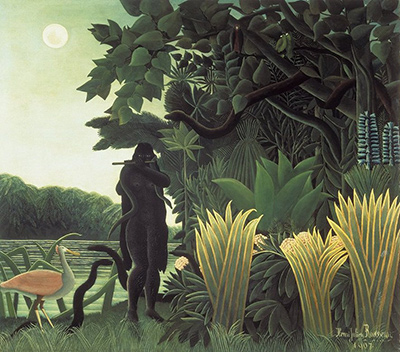
The art world is currently witnessing a fascinating convergence where the raw, dreamlike aesthetics of Henri Rousseau are being revisited alongside the vibrant, folk-inspired techniques of modern naïve art. As we navigate the intricate landscape of 2024, collectors and investors are noticing a distinct shift in how these previously niche movements are perceived and valued in the global market.
The Shift in Collector Demographics
Historically, naïve art has remained a segment favored by a specific, often smaller circle of connoisseurs who appreciate its lack of technical polish. However, the trajectory in 2024 suggests a broadening of this audience. The narrative surrounding these works has evolved from one of "primitive curiosity" to one of "authentic human expression." Collectors are increasingly drawn to the emotional resonance found in these pieces rather than strictly adhering to academic standards of realism. This democratization of taste is driving a steady influx of new buyers who are looking for art that speaks to their personal journeys rather than just historical markers.
Pricing Dynamics and Market Fluidity
When comparing current trends against the previous year, the most striking change is the volatility and accessibility of pricing. While top-tier works by established naïve masters saw sustained demand, the mid-range segment has experienced a more fluid pricing structure. In 2023, there was a tendency toward conservative valuations, but the momentum in 2024 indicates that price points are becoming more reflective of the artist's unique voice and the condition of the work. It is no longer just about the fame of the name on the certificate; the visual impact and the story behind the creation are commanding significant premiums in the current climate.
Regional Variations in Demand
The geographical distribution of this interest is also telling. While Europe and North America continue to be the traditional strongholds, there is a notable surge in interest from emerging markets in Asia and the Middle East. These regions are showing a particular appetite for works that blend traditional storytelling with contemporary naïve sensibilities. This expansion means that auction houses and galleries must be strategically marketing these pieces to international audiences, often highlighting the cultural context that connects the artist to their heritage. Understanding these regional nuances is crucial for anyone looking to buy or sell in this sector.
The Rise of Digital Documentation
A significant factor influencing market trends in 2024 is the prevalence of high-quality digital documentation. Previous years often relied on physical condition reports and basic provenance, but now, detailed digital archives and video essays are becoming standard. Buyers are more informed and can scrutinize the texture of the paint, the signs of age, and the specific brushwork with unprecedented clarity. This transparency has reduced the "mystery premium" that was once attached to unknown naïve artists, forcing the market to value quality and authenticity over the allure of the unknown. Consequently, well-documented works are selling more predictably than those shrouded in ambiguity.
Emerging Subgenres and Hybrid Styles
Finally, the market is seeing the emergence of hybrid styles that blend naïve techniques with contemporary digital media or mixed media approaches. This innovation keeps the genre fresh and attracts a younger demographic that might otherwise overlook traditional naïve paintings. The ability to adapt the core principles of naïve art—such as bold colors, simplified forms, and imaginative compositions—into new mediums has created a fertile ground for new collectors. This evolution suggests that the market for naïve art is far from stagnant; rather, it is a living, breathing ecosystem that continues to adapt and grow in response to the changing cultural zeitgeist.
- Increased focus on artist biography and personal history.
- Greater reliance on digital provenance tracking systems.
- Growing interest in limited edition prints and high-quality reproductions.
- Emergence of collaborative projects between naïve artists and digital media creators.
- Shift in auction house marketing towards interactive online experiences.
In summary, the market for naïve art in 2024 is characterized by a blend of historical reverence and modern innovation. The trends point towards a future where the emotional and narrative power of these works will continue to drive value, ensuring that the spirit of artists like Rousseau remains vibrant and relevant for years to come.