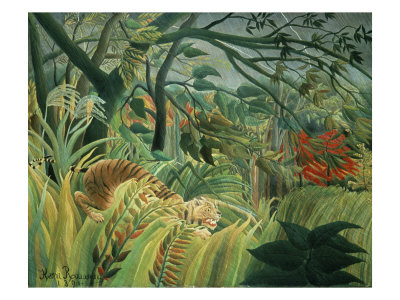
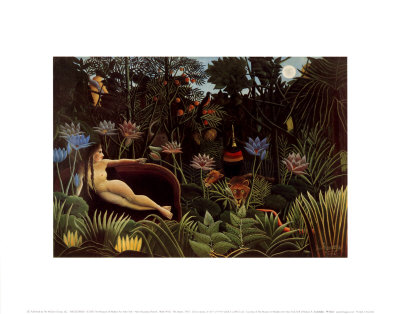
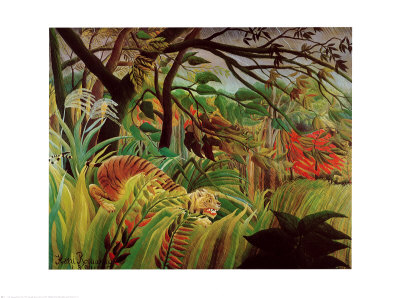
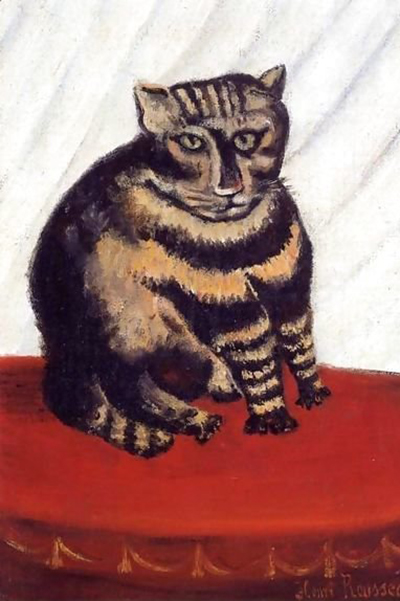
In the vibrant world of naive art, where imagination knows no borders and color reigns supreme, the medium chosen by the artist becomes a critical factor in how long those dreamlike visions can survive. While Henri Rousseau himself famously worked with oils on canvas, bringing his jungle dreams to life with a tactile richness that has aged beautifully over a century, contemporary creators are increasingly turning to acrylics for their speed and versatility. Understanding the distinct chemical behaviors of these two mediums is essential for anyone hoping to preserve their unique artistic voice for future generations. The decision between oil and acrylic is not merely a matter of preference but a calculated choice regarding preservation, texture, and the inherent resilience of the paint film itself.
The Chemical Stability of Modern Acrylics
Acrylic paint has revolutionized the naive art scene by offering a medium that dries rapidly and cures into a plastic-like polymer when exposed to air. This transformation fundamentally changes the aging process compared to traditional oils. Once an acrylic painting is completely dry, it becomes impervious to water, oils, and solvents, creating a non-porous surface that resists environmental degradation. This chemical stability means that the pigments within the paint do not migrate or settle as easily over time, which is particularly beneficial for artists who apply bold, flat washes of color typical in naive styles.
However, this durability comes with a caveat regarding the canvas support. Because acrylics do not breathe, they can trap moisture within the fabric of the canvas, potentially leading to buckling or delamination if the painting is not mounted correctly. Proper stretching and sealing are paramount to ensure the longevity of an acrylic naïve piece, making the preservation process more technical and demanding than one might initially assume.
The Organic Resilience of Oil Paintings
In contrast, oil-based paints have been the cornerstone of naive art for centuries, a choice that aligns with the historical lineage of many artists in this genre. Oils dry through oxidation, a slow chemical reaction with oxygen in the air that takes days or even weeks to complete. This slow drying time allows artists to create thick, impasto textures that can be manipulated after the surface has dried but before the painting is fully sealed. The resulting film remains flexible, allowing the canvas to expand and contract with humidity changes without cracking or flaking.
The primary challenge with oils lies in their susceptibility to yellowing over time. While the binder (usually linseed oil) may darken, high-quality pigments used in naïve art are often selected specifically for their archival quality, resisting this discoloration. When properly executed with high-grade solvents and varnishes, an oil painting can remain vibrant for decades, even centuries, offering a dynamic interplay of light and shadow that acrylics struggle to replicate due to their inherent opacity and lack of deep saturation.
The Impact of Handling and Surface Texture
The physical interaction between the viewer and the artwork significantly influences its lifespan. Naïve paintings, by nature, often feature broad strokes and visible brushwork that invites closer inspection. In oil paintings, the soft, velvety surface allows light to penetrate slightly before reflecting, creating a luminous glow that is difficult to achieve with acrylics. This optical quality makes oils particularly resistant to visual fading, as the pigments sit within a layer that absorbs and diffuses light rather than reflecting it directly. Conversely, the glossy finish of cured acrylics can sometimes lead to surface scratches or scuffing if the painting is not handled with extreme care, as the clear coat offers no physical give to minor abrasions.
Factors Influencing Paint Longevity
When evaluating which medium will serve a specific naïve artist best, several practical variables must be considered. The environment where the painting is displayed plays a crucial role; stable temperature and humidity levels are vital for both, but oils generally tolerate minor fluctuations better than acrylics. Furthermore, the quality of the pigments used by the artist dictates the outcome. Premium, lightfast pigments ensure that the colors do not fade under ultraviolet exposure, regardless of whether the medium is oil or acrylic.
Artists must also consider their own workflow and patience levels. The slow drying nature of oils demands a commitment to a process that unfolds over time, whereas acrylics allow for rapid experimentation and correction. For a practitioner who needs to produce multiple versions quickly, acrylics offer a practical advantage that does not necessarily compromise the aesthetic integrity of the work, provided the canvas support is adequately prepared to prevent moisture issues.
Preserving the Vision for Future Generations
Ultimately, the choice between acrylic and oil is a balance between the chemical permanence of the former and the organic, luminous depth of the latter. Neither medium is inherently superior; rather, their longevity depends on the skill of the artist, the quality of materials used, and the conditions of the environment in which the painting rests. A well-maintained acrylic naïve painting can stand the test of time just as effectively as an oil version, provided that the canvas is properly stretched and the painting is varnished to protect it from dust and UV damage.
For those serious about the future of their work, investing in archival-quality supplies and seeking professional advice on mounting and framing is the most effective strategy. Whether one chooses the fluid, timeless depth of oil or the vibrant, durable clarity of acrylic, the true longevity of a naïve painting lies in the enduring power of its unique vision and the care taken to honor it. By understanding these nuances, artists can ensure that their colorful interpretations of reality continue to inspire viewers long after they have finished the first brushstroke.
To facilitate easier comparison for readers navigating these choices, the following key differences summarize the practical implications of each medium:
- Acrylics dry significantly faster than oils, allowing for quicker turnaround times on commissions.
- Oil paintings typically develop a deeper, richer saturation that acrylics struggle to match naturally.
- Acrylics are less prone to yellowing of the binder, though they may fade faster if UV protection is lacking.
- Oil paint remains flexible and flexible over time, whereas acrylic paint becomes brittle and can crack.
- The non-porous nature of cured acrylics makes them more resistant to chemical spills and cleaning agents.
- Oil paintings require more complex conservation techniques, such as careful varnishing and controlled environments.
- Acrylics can be used on a wider variety of supports, including wood panels and heavy paper without warping.