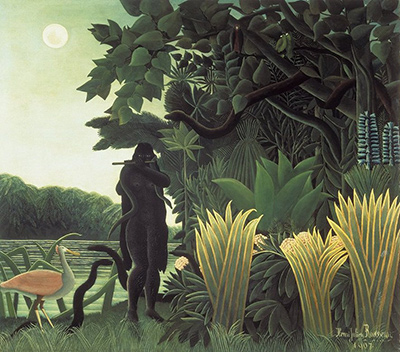
The spectrum of human expression through paint is vast, ranging from the meticulous, almost clinical precision of hyper-realism to the vibrant, uninhibited joy found in naïve art. When we stand before a hyper-realistic canvas, our expectations are immediately set to a mirror-like reflection of reality, demanding that every pore, strand of hair, and texture be rendered with scientific accuracy. In contrast, naïve art often invites us into a dream state, prioritizing emotional truth over visual fidelity. This comparison reveals how the very act of rendering an image influences the viewer's heart, shifting the focus from "how it looks" to "how it feels."
The Anchor of Hyper-Realism
Hyper-realistic paintings function as powerful anchors in a chaotic world. By stripping away the brushstroke and the artistic interpretation, these works create an immersive environment that feels tangible, immediate, and sometimes overwhelming. The emotional impact of such art often stems from a sense of awe mixed with a subtle unease; the viewer feels as though they are peering into a window into a private, unfiltered reality. There is a intimacy in the detail that can make the subject feel alive, yet it can also create a distance because the image is so perfect that it lacks the human imperfection we naturally find comforting. The emotion here is often one of witnessing something extraordinary, a frozen moment in time that demands our undivided attention and respect for the craft required to achieve it.
The Liberation of Naïve Vision
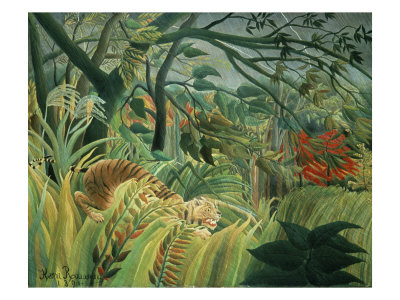
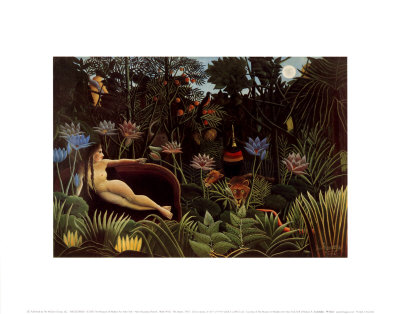
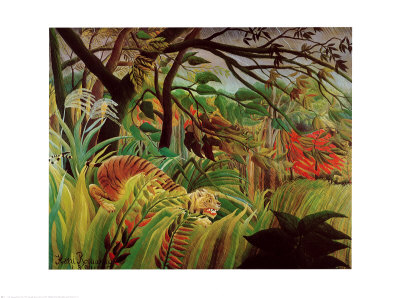
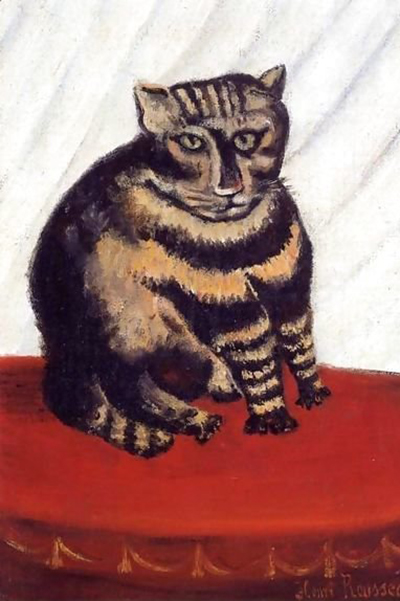
Conversely, naïve art operates on a different frequency, often bypassing the logical processing of the brain to strike directly at the soul. Painters working in this style, such as Henri Rousseau himself, do not strive to replicate the world exactly; instead, they construct a world that feels like a memory or a dream. The emotional weight of naïve art lies in its authenticity. Because the artist often skips the rigorous study of anatomy or perspective, the resulting image carries a raw, unvarnished honesty. It feels unguarded, as if the artist has stepped out of their life and directly into the viewer's consciousness. This lack of pretense creates a profound sense of connection, allowing the viewer to project their own hopes and fears onto the subject without the barrier of technical perfection.
The Nature of Perception and Emotion
The difference in emotional reception is largely rooted in how our brains process information. When viewing hyper-realism, the brain engages in pattern recognition, verifying the details against its internal database of reality. This cognitive engagement can dampen the raw emotional response, turning the experience into an intellectual appreciation of skill. However, when confronted with naïve art, the brain is not challenged to solve a visual puzzle. Instead, it is invited to suspend disbelief and enter a narrative. The emotional impact is therefore more visceral and immediate. We do not just see a tree; we feel the wind moving through its naïvely rendered leaves. We do not just see a face; we feel the complex, unrefined expression of a person who sees the world with fresh eyes.
The Power of the Imperfect Stroke
One of the most significant factors driving the emotional divergence between these styles is the presence or absence of the artist's hand. In hyper-realism, the brushstroke is often erased or blended to hide the human touch, creating a seamless, mechanical surface that can feel cold or distant. The emotion is contained within the final image, sealed by the illusion of perfection. In naïve art, the brushstroke is the vessel. The wobbly line, the heavy block of color, the unexpected use of space—all of these elements signal that a human being, with all their quirks and limitations, created this piece. This imperfection acts as a bridge. It reminds the viewer that this is a human experience, shared by another human. The subheading "The Power of the Imperfect Stroke" highlights that the very flaws in naïve art are what make it emotionally resonant, transforming technical limitations into aesthetic virtues that evoke empathy and warmth.
Conclusion: Choosing Your Connection
Ultimately, both styles offer unique and valuable emotional experiences, and the choice between them depends on what the viewer seeks in an artwork. If one craves the thrill of discovery and the satisfaction of seeing the world through a lens of absolute clarity, hyper-realism provides a profound, almost hypnotic engagement. It speaks to our desire for control and precision. However, if one seeks comfort, connection, and a reminder of the beauty in simplicity, naïve art offers a sanctuary. It speaks to our need for authenticity and the understanding that we do not need to be perfect to be deeply felt. Whether through the mirror of hyper-realism or the window of naïve vision, art remains our most powerful tool for exploring the depths of human emotion.
To truly understand the distinction between these two powerful artistic movements, one must consider several key dynamics that define their respective impacts:
- Hyper-realism demands an intellectual effort to process and verify the visual data presented.
- Naïve art often bypasses logical analysis to communicate a direct, raw emotional state.
- The perfection of hyper-realism can sometimes create an emotional barrier due to its artificial nature.
- The imperfections of naïve art serve as a bridge, fostering immediate empathy and connection.
- Hyper-realism appeals to the observer's desire for control and precise observation.
- Naïve art appeals to the observer's need for comfort, simplicity, and authentic expression.
- Both forms ultimately succeed in moving the viewer, but through entirely different psychological pathways.