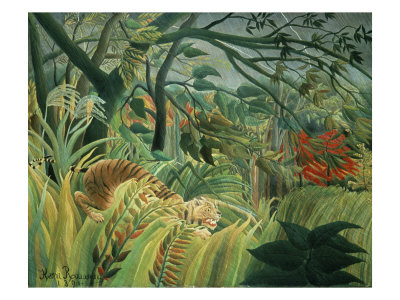
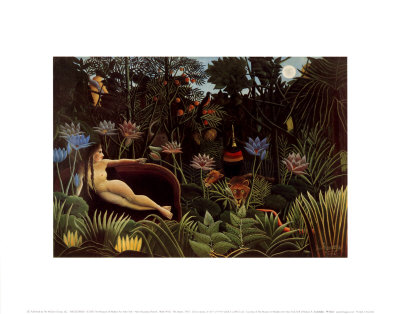
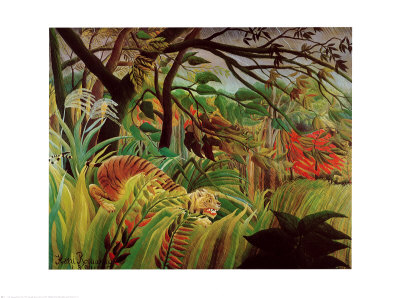
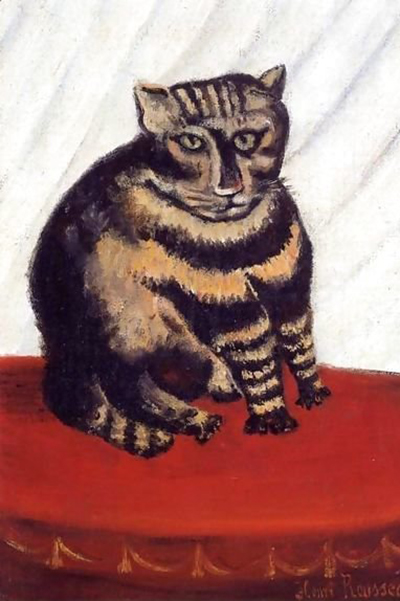
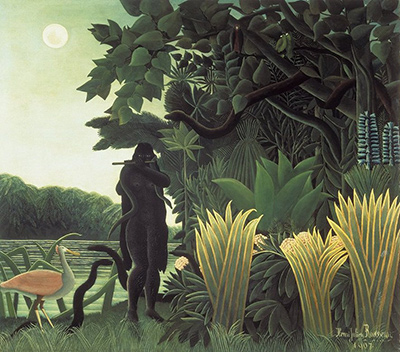
The auction house floor is a stage where silence often speaks louder than gavel strikes, particularly when the subject is Henri Rousseau, the man who painted jungles with the imagination of a child and the precision of a master. For collectors and historians alike, navigating the auction history of Rousseau's works requires a unique lens, one that balances his sudden rise to fame with the enduring mystery of his later years and the varied fortunes of his estate. Understanding the trajectory of his sales is not merely about tracking prices but about decoding the shifting tides of public taste and the complex legacy of an artist who lived and worked in relative obscurity before being rediscovered.
The Early Silence and the First Glimmer
For decades following Rousseau's death in 1919, his paintings were largely forgotten or relegated to the private collections of the wealthy, circulating quietly rather than drawing the frenzied attention of the art world. It was only after his widow, Marie-Rose, and the state of France began to recognize the value of his work that a pattern of interest started to emerge. The early auction records reveal a slow burn, where works sold for modest sums to dealers who understood the potential of the "naive" style, yet lacked the marketing machinery to propel him to global stardom.
During this period, the primary challenge for buyers was authentication. Since Rousseau did not sign many of his works and often signed them in a way that varied by medium, a significant portion of the market consisted of unattributed jungle scenes that could not be sold. The first major shifts occurred when serious critics, notably Robert Delavay, championed the artist, effectively clearing the path for serious collectors to enter the market. This era established the foundational narrative that Rousseau was a misunderstood genius, a story that would drive the subsequent decades of auction activity.
The Turning Point: When the Jungle Began to Sing
The mid-20th century marked a definitive turning point in the auction history of Rousseau's oeuvre. As the fascination with primitivism and naive art grew in Europe and eventually the United States, the demand for Rousseau's vibrant, dreamlike landscapes skyrocketed. Auction catalogues from this era show a clear upward trajectory, with prices increasing steadily as museums and private collectors scrambled to acquire works to satisfy the growing appetite for "primitive" expressionism.
A crucial development during this time was the stabilization of the market through the establishment of a more formalized authentication process. Institutions began to step in, providing certificates of authenticity that removed the uncertainty that had plagued the market for so long. This clarity allowed prices to solidify, creating a reliable benchmark for future sales. The narrative shifted from one of rediscovery to one of validation, with auction lots commanding significantly higher premiums as the market recognized the technical skill hidden beneath Rousseau's seemingly innocent brushstrokes.
Understanding the Valuation Variables
Navigating the auction records for Rousseau requires a keen eye for detail, as several specific factors heavily influence the final hammer price. The condition of the painting is paramount; works that have been heavily restored, particularly those involving the removal of overpaintings from later owners, often fetch less than pristine pieces. Furthermore, the provenance of the work plays a critical role in establishing its legitimacy and historical weight. A painting that has passed through the collection of a known collector or a major museum adds a layer of prestige that can dramatically alter the valuation.
Another significant variable is the provenance of the specific subject matter. While Rousseau is famous for his tropical scenes, works depicting his Parisian apartment or his beloved trees often hold a different emotional resonance for buyers compared to the more exotic jungle compositions. Additionally, the auction house itself can influence the price, as some are renowned for their expertise in naive art and can command higher bids due to their specialized knowledge and marketing reach.
The Role of Expertise in Pricing
The interplay between market demand and expert curation creates a complex dynamic in Rousseau's sales. It is not merely a matter of supply and demand but also the skill of the auctioneer in telling the story of the work. When an expert successfully highlights the unique qualities of a specific painting, such as its brushwork or its historical context, the bidding can become more intense.
- Provenance: A clear, documented history of ownership significantly increases value.
- Condition: Pristine works without major restoration command premium prices.
- Subject Matter: Jungle scenes generally sell faster but Parisian scenes can attract specific, high-net-worth collectors.
- Authenticity: Unambiguous attribution is essential for high-value transactions.
The Modern Era and Legacy
In recent years, the auction market for Rousseau has become more sophisticated, with high-profile sales attracting international attention. The story of his auction history is no longer just about finding a painting; it is about understanding the journey of an artist who painted in secret while the world slept, only to wake up when the world needed a reminder of beauty and innocence. Today, the market continues to reflect his enduring appeal, with sales occurring regularly across the globe, driven by a continued fascination with the unique voice of the "Mad Painter."
For anyone looking to acquire or sell a Rousseau, the key is to remain informed about the specific nuances of his catalog, the current state of his market, and the critical role that authentication plays. The auction history serves as a testament to the enduring power of his work, proving that even in the quietest corners of history, some voices are destined to be heard.
Related reading
- The Digital Brush: Reimagining the Dream World of Rousseau
- The Child in the Jungle: Cultivating the Spirit of Naïve Art
- Finding Your Own Wild Garden: A Guide to Choosing Subjects in Naïve Art
- The Artist's Canvas: Unveiling the Essentials of Naïve Creation
- Unlocking the Surreal Garden: A Guide to Finding Historical Naïve Art for Inspiration