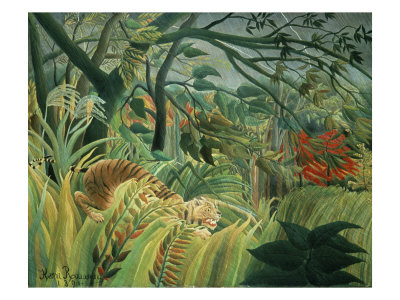
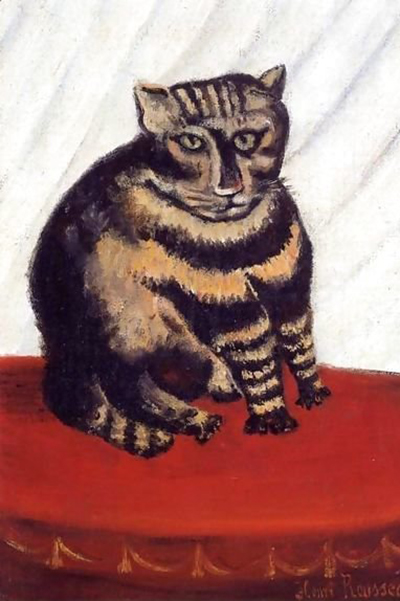
In the world of naive art and the meticulous study of Henri Rousseau's vibrant jungles, the medium itself is often the silent narrator of the artist's intent. For those who seek to replicate his bold colors and intricate details, the physical handling of the canvas can make or break the final piece. However, a common pitfall plagues eager beginners and even seasoned practitioners alike: the relentless overworking of the paper and the accidental destruction of the very paint that was meant to capture light. This guide explores how to avoid these errors, ensuring that your work remains a faithful tribute to the spirit of the subject rather than a ruined canvas.
Understanding the Fragility of the Substrate
The foundation of any painting lies in the support, yet it is frequently treated with the same indifference as the brushstroke applied upon it. In traditional oil painting or even watercolor, the paper or canvas acts as a membrane that must breathe and respond to the chemical reactions of the pigments. When an artist rushes to build up layers without allowing the previous coat to dry sufficiently, they risk sealing the fibers or causing the ground to lift. This is not merely a matter of aesthetics; it is a structural failure that can turn a masterpiece into a brittle shell that shatters with a single touch. The key to preserving the integrity of your work is patience, a virtue often sacrificed in the heat of creation.
The Peril of Multiple Layers
One of the most frequent causes of paint failure is the hasty application of multiple layers before the first one has settled. Imagine trying to build a house where every brick is laid on top of a wet previous layer; the result is a structure prone to collapsing under its own weight or succumbing to environmental changes. In painting, this manifests as cracking, flaking, or, in the worst case, the complete disintegration of the surface. When you work too aggressively, the solvents in your medium evaporate unevenly, creating tension within the paint film that the substrate cannot withstand. To avoid this, it is crucial to respect the drying time of your materials, ensuring that each layer is fully cured before adding the next.
The Myth of "More is Better"
Many aspiring artists fall into the trap of believing that more paint equals more detail and more life. They will cover their mistakes by smearing, rubbing, and re-painting areas repeatedly, never letting a spot sit still. This approach is fundamentally flawed because it ignores the natural physics of drying paints. By constantly disturbing the surface, you are essentially erasing the initial decisions you made, leading to a muddy, confused visual result. Instead of fighting against the drying process, you should work with it, allowing the paint to guide you toward a natural finish.
The Consequences of Mechanical Aggression
The physical act of blending and refining can do more damage than the pigments themselves. When artists use tools like palette knives or fingers to smooth out imperfections, they often apply too much pressure. This friction generates heat, which can accelerate the drying process unevenly or even cook the paint, altering its chemical composition. Furthermore, the mechanical action can lift the ground from the canvas or tear the fibers of the paper. A soft touch is essential, especially when working with delicate surfaces or when dealing with thin washes. Remember that the goal is to create an image, not to test the limits of the material's durability.
A Strategy for Preservation and Refinement
To navigate these challenges, adopt a disciplined workflow that prioritizes the health of your medium. Here are several practical steps to ensure your painting survives the creative process without compromising its quality:
- Allow every layer to dry completely before applying the next, adhering strictly to the manufacturer's recommended drying times.
- Use soft brushes and gentle hands to avoid creating indentations or lifting the ground layer.
- Avoid over-blending colors; let distinct areas of color stand apart to maintain vibrancy and clarity.
- Work on small sections at a time to prevent drying out large areas that might crack during the final stages.
- Keep a clean palette and a separate brush for each color to prevent cross-contamination and unwanted color shifts.
By respecting the materials and embracing the natural progression of the drying process, you can create works that are as durable as they are beautiful. The journey of painting is one of discovery, and by avoiding the pitfalls of overworking and destruction, you ensure that your vision remains intact, echoing the enduring spirit of artists like Henri Rousseau.