In the vibrant world of naive art, where reality bends to the whims of the artist's imagination, one of the most detrimental errors a painter can make is the tendency to overcrowd the immediate space while neglecting the atmospheric depth that gives a work its soul. By focusing exclusively on the sharp, detailed foreground, the viewer is denied the chance to wander into the mystery of the background, ultimately flattening the image and reducing its emotional resonance. This guide explores why ignoring the background space is a critical mistake and how to cultivate a balanced composition that breathes with life.
The Trap of Immediate Intensity
Many aspiring artists, driven by a desire to capture every intricate detail of their subject, begin by filling the canvas with a dense arrangement of figures or objects. This approach creates a sense of overwhelming immediacy, but it often comes at the cost of spatial coherence. When every inch of the picture plane is consumed by the foreground action, there is no room for the eye to rest or travel. The result is a static tableau that feels more like a collage of cutouts than a cohesive painting. To truly master the art of naive representation, one must understand that the background is not merely empty space to be filled; it is an active participant in the narrative, setting the stage for the drama unfolding in the front.
Understanding the Illusion of Distance
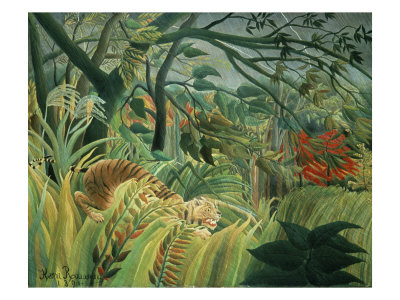
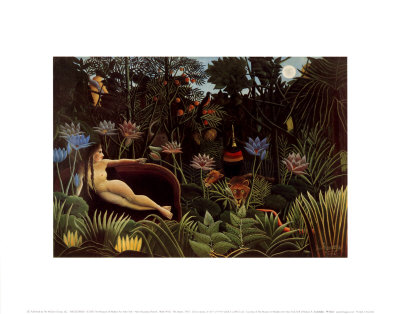
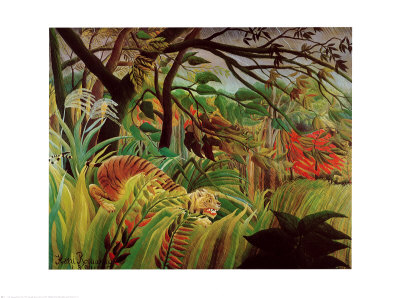
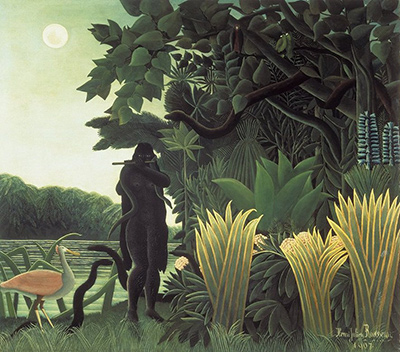
The naive style, often associated with the work of artists like Henri Rousseau, thrives on a unique relationship between the viewer and the depicted world. Unlike academic painting, which seeks to mimic the physical world through precise perspective, naive art frequently employs a flattened space where the distinction between near and far is subjective rather than geometric. However, even in this stylized realm, the concept of depth remains vital. If an artist places a massive tree and a tiny house side-by-side without any indication of scale, the brain struggles to reconcile the discrepancy. A successful background provides the necessary context to anchor the foreground elements, allowing the viewer to intuitively understand the scale of the scene without needing strict adherence to linear perspective rules.
Techniques for Establishing Atmospheric Depth
Creating a sense of depth in naive art requires specific techniques that focus on color, texture, and placement rather than strict anatomical correctness. Artists must learn to manipulate the visual language of the canvas to guide the eye from the front to the back. One effective method is the use of color temperature, where warmer colors advance the plane while cooler colors recede it. Another crucial technique involves the density of detail; the foreground should be rich with texture and sharp edges, while the background can become softer, more blurred, or more abstract. By deliberately reducing the complexity of the background, the artist creates a visual hierarchy that prevents the canvas from becoming a chaotic mess of competing elements.
Balancing Clutter with Negative Space
The fear of an empty canvas is a common hurdle for many painters, leading them to fill every available square inch with color and form. However, this overfilling is often a symptom of an inability to let the composition breathe. In naive art, negative space is not merely the absence of paint; it is a powerful compositional tool that defines the subject and creates a rhythmic flow. When the background is ignored, the artwork loses its rhythm, becoming a static block of energy. By intentionally leaving areas of the background open or simplified, the artist allows the foreground elements to stand out with greater clarity. This strategic use of space transforms a crowded scene into a dynamic interaction between what is seen and what is implied.
Practical Steps for Revision and Refinement
When reviewing a finished painting, artists should ask themselves specific questions to identify whether the background has been adequately considered. If the answer is yes, the piece is likely suffering from the "cluttered foreground" syndrome. To rectify this, one can employ a process of subtraction, carefully erasing or repainting elements in the middle ground and background until they no longer compete with the primary subject.
- Identify the focal point of your composition and ensure it is visually dominant.
- Simplify the background by reducing the number of distinct shapes and colors.
- Use vertical lines to suggest height and depth, separating the foreground from the distance.
- Introduce a sense of movement or wind in the background elements to imply space.
- Step back from the canvas and observe how the eye travels from front to back.
By embracing the background as an essential component of the composition rather than an afterthought, artists can elevate their naive works from simple representations to profound explorations of space and perception. The key lies in trusting the viewer's ability to construct depth, even when the artist chooses not to provide all the logical cues.