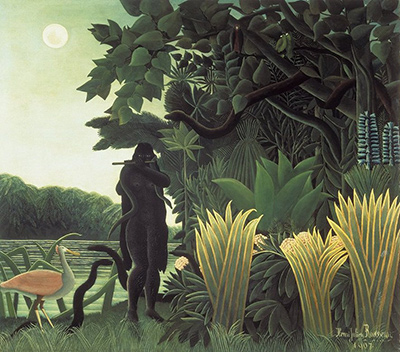
Many aspiring artists, particularly those fascinated by the works of Henri Rousseau and the broader movement of Naive Art, often fall into a specific trap when attempting to replicate the distinctive look of the "primitive" style. Instead of embracing the raw, unrefined energy that defines these masterpieces, creators frequently resort to stripping away all complexity, resulting in images that appear clumsy or artificially oversimplified rather than authentically modern. True naive art is not defined by a lack of skill or a deliberate decision to omit information; instead, it is born from a unique, instinctive vision where every brushstroke serves a narrative purpose, creating a world that feels simultaneously chaotic and perfectly ordered. Understanding this subtle distinction is crucial for anyone wishing to capture the soul of this unique artistic tradition.
The Myth of the Blank Canvas
The most common misconception surrounding naive art is the belief that to achieve a primitive aesthetic, one must simply avoid detailed rendering. Artists often think that if they do not draw every single leaf, feather, or insect with anatomical precision, their work will automatically possess the rough-hewn charm of Rousseau. However, this approach often leads to a visual emptiness that feels hollow rather than vibrant. The primitive style is characterized by an intense engagement with the subject, where the artist's hand moves with confidence and purpose, filling the space with energy rather than leaving it blank.
The Power of the Accurate Gesture
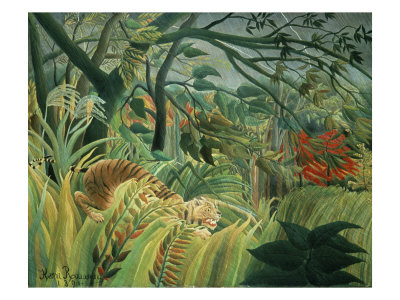
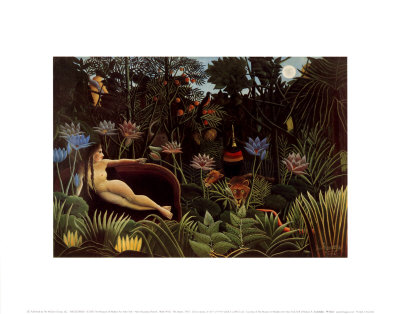
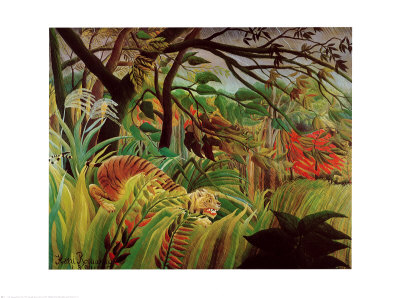
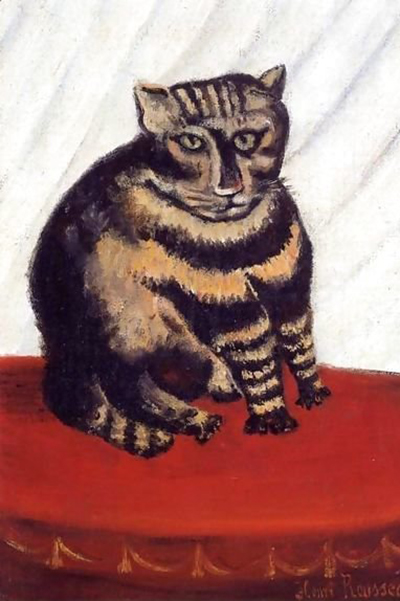
The core of naive art lies in the artist's ability to see the world differently, not by ignoring details, but by simplifying them according to their own internal logic. Henri Rousseau, for instance, was a man of immense observational skill who drew birds, flowers, and insects with remarkable accuracy, yet he arranged them in dreamlike, impossible compositions that defied natural laws. The "primitive" look comes from the artist's unique perspective and the bold, decisive strokes they use to capture that perspective, not from the omission of detail. When an artist tries to be "primitive" by merely avoiding detail, they often fail to capture the vital energy and specific focus that makes these works so compelling. The result is usually a painting that looks lazy or careless, lacking the driving force that propels the viewer's eye through the composition.
Embracing Visual Noise
A hallmark of the primitive style is what can be described as "visual noise"—a richness of texture and form that creates a sense of bustling life and movement. This is achieved not by adding hyper-realistic details, but by layering forms and textures in a way that suggests a complex, living ecosystem. In Rousseau's paintings, you might see a massive bird with thousands of tiny feathers rendered in a way that feels both distinct and unified, creating a texture that is palpable even though the individual feathers are not meticulously detailed. This approach allows the artist to convey the overwhelming scale and vitality of nature without getting bogged down in the minutiae of a scientific study.
When artists attempt to replicate this look by simply leaving areas blank or using vague smudges, they lose the sense of life and presence. The "primitive" style thrives on the tension between the rough texture of the paint and the complex reality of the subject. It is about finding a balance where the surface appears unrefined, yet the image inside is dense with meaning. This density gives the work its weight and presence, transforming a simple drawing into a powerful, immersive experience that invites the viewer to explore every corner of the canvas.
The Role of Composition and Energy
While detail is important, it is the composition and the direction of energy within the piece that ultimately define the primitive aesthetic. A naive artist does not draw a tree; they draw a tree that stands in a specific emotional relationship to the sky and the ground. The lines are often thick, assertive, and directional, guiding the eye across the canvas in a way that feels natural and unforced. If an artist tries to mimic this style by making their lines thin and delicate, or by filling the space with too little content, the result will feel disconnected from the intended energy.
The primitive look is generated by the artist's confidence and their refusal to overthink the process. Every mark is placed with intention, contributing to the overall rhythm of the piece. Whether it is a jagged cloud, a vibrant flower, or a looming predator, each element is rendered with a focus that highlights its importance in the artist's vision. This focus creates a sense of immediacy and urgency that is central to the style. When artists shy away from detail thinking it will make the work seem more primitive, they often undermine this sense of urgency, making the work feel passive and static instead of alive and dynamic.
Practical Strategies for Authentic Representation
To achieve a genuine primitive look without falling into the trap of excessive simplification, artists should focus on several key practical strategies. Instead of trying to paint every detail of a subject, focus on capturing the essence and the dominant shapes that define the object in a way that feels true to the artist's perception. Use bold, confident strokes that vary in width and pressure to create texture and movement.
Here are some specific techniques to help guide you toward an authentic naive style:
- Observe your subject with fresh eyes and focus on the overall silhouette and the most striking features rather than trying to map every tiny detail.
- Apply paint in thick, textured layers to create a tactile surface that suggests roughness and vitality, mimicking the physical quality of early modernist works.
- Use a limited but vibrant palette where colors are applied with high saturation and often contrast sharply against one another to create a sense of drama and energy.
- Structure the composition so that elements overlap and interact in a way that feels organic and unpredictable, avoiding the rigid structures of traditional academic painting.
- Trust your instinct to leave space for the viewer's imagination, but ensure that the remaining space is filled with purposeful, energetic marks rather than empty voids.
By focusing on these elements, you can create work that captures the spirit of the primitive style without resorting to lazy simplification. The goal is to create a world that feels strange, wonderful, and deeply alive, much like the dreamscapes and exotic gardens that Henri Rousseau brought to life.