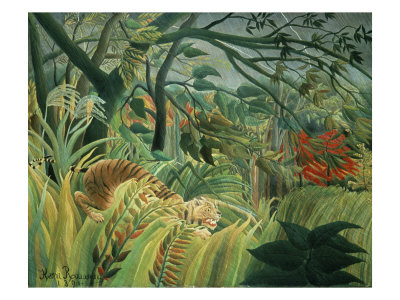
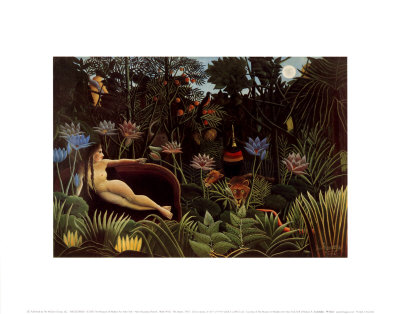
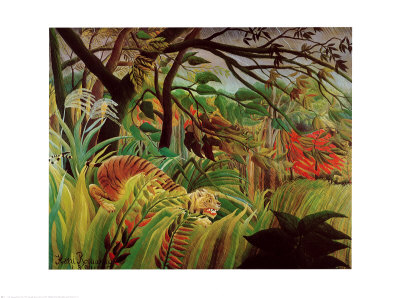
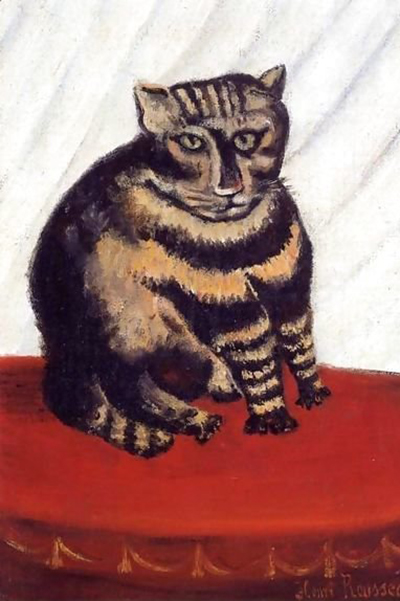
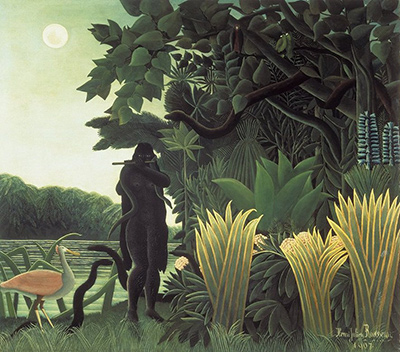
The world of naïve art, exemplified by the dreamlike landscapes of Henri Rousseau, is defined by its raw, unrefined aesthetic. However, the very materials used to create these iconic works—often cheap canvases and fast-drying paints—are susceptible to degradation over time. Understanding the specific textural issues that plague these pieces is essential for any restorationist aiming to honor the original vision without altering the painter's hand.
Identifying the Core Textural Anomalies
Before attempting any intervention, one must accurately diagnose the source of the textural distortion. In many cases, the problem lies not in the pigment itself but in the structural layering beneath. A common occurrence in older works is the accumulation of dust and grime within the grooves of the brushstrokes, creating a false sense of depth that obscures the true surface. This can mimic the artist's intended impasto but is merely surface contamination. Another frequent issue involves the "sagging" of heavy paint layers due to humidity fluctuations, causing the texture to shift and lose the sharp, angular definition characteristic of naïve styles.
Furthermore, the canvas weave often becomes visible through cracks or gaps in the paint film, creating a grainy texture that distracts from the image. This is particularly problematic in Rousseau's style, where the lack of blending relies heavily on the distinct separation of colors and forms. If the canvas is too tight, the paint may crack prematurely; if too loose, the texture will look uneven and unprofessional. Recognizing these specific physical manifestations is the first step toward a successful conservation plan.
The Problem of Over-Texturing
One of the most damaging mistakes made by restorers is the addition of texture where none existed originally. Naïve artists often achieved their dramatic effects through bold application and sharp edges rather than thick, mounded layers of paint. When a restorer applies additional texture paste or heavy glazing to "enhance" the look, they inadvertently distort the artist's technique. This over-texturing creates an artificial dimensionality that clashes with the flat, graphic quality of the original composition.
To fix this, the focus must shift to the removal of any extraneous material rather than the addition of new texture. Careful scraping or laser cleaning may be necessary to remove modern restorations that have added depth where the artist intended flatness. The goal is to reveal the underlying surface truth, allowing the original brushwork to speak for itself without the interference of modern conservation overreach.
Dealing with Cracked and Flaking Surfaces
When the texture is damaged by cracking or flaking, the approach requires a delicate balance between stabilization and invisibility. Cracks in the paint layer can trap dirt and moisture, accelerating the decay of the underlying canvas. Flaking paint can expose the support, leading to rapid deterioration if left untreated. However, filling these cracks with heavy spackle or thick paste will ruin the delicate surface integrity of the work.
The solution lies in using flexible, translucent consolidants that penetrate deep into the cracks without altering the surface profile. These agents bind the loose particles together while allowing light to pass through, maintaining the visual continuity of the texture. By preserving the original topography as much as possible, the restoration ensures that the artwork retains its authentic tactile history.
Addressing Canvas Texture Discrepancies
The canvas support plays a crucial role in the overall texture of a naïve painting. Over time, the cotton or linen fibers can shrink, warp, or become glazed, changing how the paint sits on the surface. This often results in a texture that looks inconsistent compared to the surrounding areas or the artist's other works. In some cases, the canvas weave becomes so prominent that it disrupts the visual flow of the composition.
Restoring the canvas texture requires a thorough assessment of the weave density and tension. If the canvas is too thin, it may need reinforcement with a discreet tissue layer that matches the original weight. If it is too thick or warped, localized smoothing techniques might be applied to even out the surface without adding bulk. The key is to match the texture of the support to the surrounding intact areas, ensuring a seamless integration that does not draw the eye away from the central image.
Practical Maintenance and Prevention
Prevention is always preferable to complex restoration. For naïve artworks that are moving from private collections to public institutions, or for pieces in storage, specific environmental controls are vital. Maintaining a stable relative humidity is critical to preventing the expansion and contraction of both the paint layers and the canvas support. Sudden changes in temperature or moisture can cause the paint texture to shift, leading to cracks and loss of detail.
Additionally, regular, gentle cleaning schedules can prevent the buildup of surface grime that mimics texture. Using soft brushes and vacuum cleaners with very low suction can remove dust without damaging the delicate surface. By implementing a rigorous monitoring and maintenance routine, owners and curators can significantly extend the life of the artwork and preserve its unique textural qualities for future generations to admire.
- Implement a strict humidity control system to prevent paint shifting.
- Clean surfaces gently with soft, non-abrasive tools to avoid introducing new texture.
- Monitor the canvas tension regularly to detect early signs of warping.
- Use translucent consolidants for cracks rather than opaque fillers.
- Document the original texture state before and after any intervention.
By adhering to these principles, conservators can ensure that the raw, expressive texture of naïve art remains intact, allowing viewers to experience the work exactly as the artist intended.
Related reading
- The Digital Brush: Reimagining the Dream World of Rousseau
- The Child in the Jungle: Cultivating the Spirit of Naïve Art
- Finding Your Own Wild Garden: A Guide to Choosing Subjects in Naïve Art
- The Artist's Canvas: Unveiling the Essentials of Naïve Creation
- Unlocking the Surreal Garden: A Guide to Finding Historical Naïve Art for Inspiration