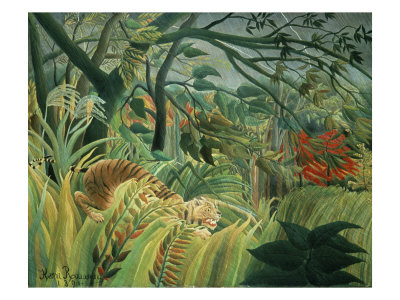
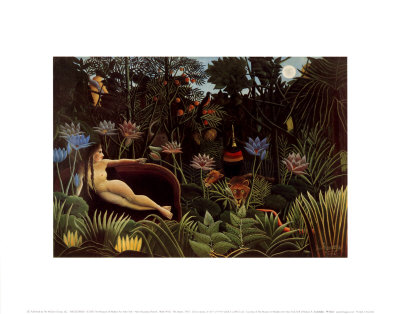
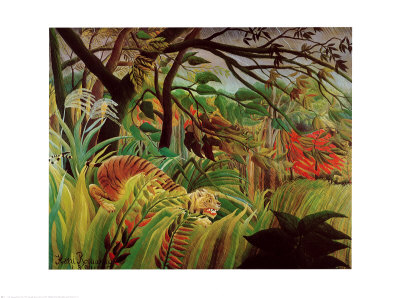
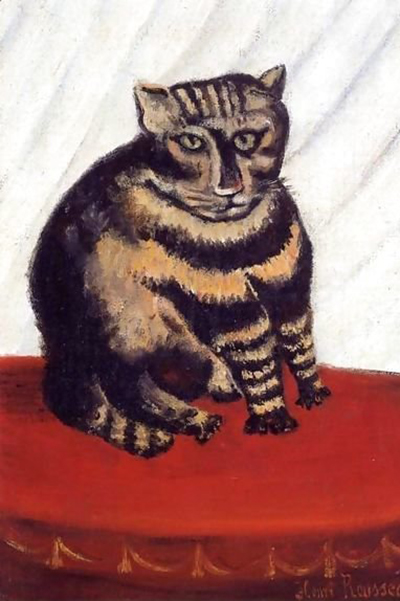
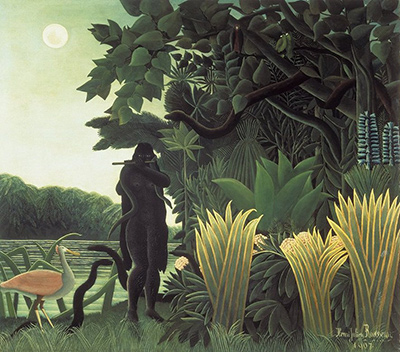
To truly capture the vibrant, dreamlike quality of Henri Rousseau's work, one must first prepare a physical sanctuary that fosters a state of mental suspension. Your studio is not merely a workspace; it is the controlled environment where the chaotic beauty of the jungle can be birthed, free from the distractions of daily life. By meticulously arranging your tools and lighting, you create a rhythm that allows the hand to move with the confidence of an instinctual painter.
The Architecture of Focus
Before a single brush touches canvas, the physical layout of the room must be optimized for flow and tranquility. The space should be decluttered to the point where only what is essential remains visible. In the world of naive art, simplicity often leads to profound impact, so your studio should reflect this clarity. Ensure that your easel is stable and positioned at a height that prevents shoulder strain during hours of continuous work. The chair must support your posture, allowing you to lean into your subject without fatigue setting in prematurely.
Illumination as Narrative
Lighting is the lifeblood of any painting session, particularly when striving for the luminous atmosphere found in Rousseau's nocturnal scenes or his dense, sun-drenched forests. Natural light is ideal, but consistency is key. If you rely on electric bulbs, invest in adjustable shades that can diffuse harsh glare or mimic the golden hour of sunset. Avoid mixed lighting sources that cast conflicting shadows, as this can confuse your eye and alter the color values you are trying to record. The goal is a steady, unwavering beam that illuminates the work from the front or slightly above, ensuring that every subtle gradation of tone remains visible without creating harsh specular highlights on wet paint.
Establishing the Mental Sanctuary
Beyond the physical arrangements, the psychological preparation of the room is equally critical. This involves creating a boundary between the painter and the world outside. You might use heavy curtains to block out street noise or changing daylight conditions, trapping the room in a timeless bubble. This isolation is what allows the mind to drift into the realm of fantasy, a necessity for reproducing the surreal narratives of the master. When the senses are muted by a controlled environment, the brain is freed to focus entirely on the textures, colors, and compositions you wish to explore. In this quietude, the barrier between observation and creation dissolves, leading to a more spontaneous and authentic artistic expression.
Essential Inventory Check
With the atmosphere set, you must ensure your toolkit is ready for a marathon session. A well-organized collection of materials can prevent the mental fatigue that comes from searching for supplies while your hand is in a flow state. Here is a curated list of essentials to have within arm's reach:
- High-quality linseed oil and turpentine for medium manipulation
- A variety of soft and hard-bristled brushes for different textures
- Ranges of cadmium, cerulean, and ochre pigments for the jungle palette
- Pre-mixed gesso primers for quick canvas preparation
- A sturdy palette with ample space for mixing large quantities of color
- Protective rags for cleaning brushes and managing spills
- A timer or clock to monitor session duration without checking the wall constantly
Sustaining the Creative Flow
The most challenging aspect of a long painting session is maintaining the initial inspiration without burning out. It requires a disciplined approach to pacing and hydration. Take short, frequent breaks to stretch your back and rotate your wrists, preventing tension from manifesting in your strokes. Keep water and tea within easy reach so you can sip without interrupting your rhythm. Remember that the journey is as important as the destination; even if a specific masterpiece is not born in this single sitting, the process of engaging deeply with the space and the materials enriches your practice. By treating your studio as a living entity that responds to your presence, you honor the legacy of artists who found their world outside the frame, ready to bring their visions to life on the canvas whenever the moment feels right.