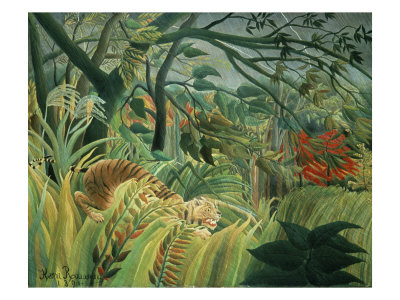
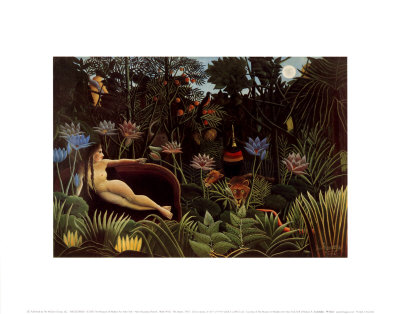
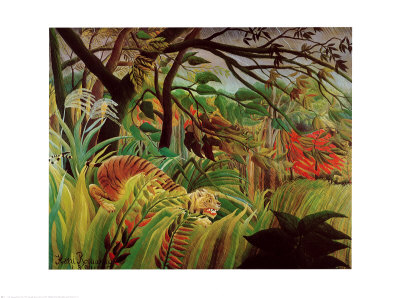
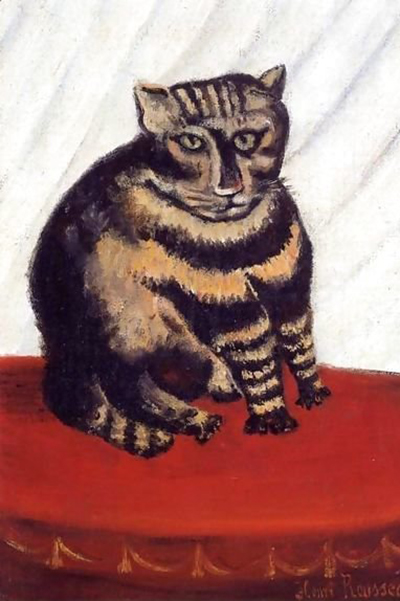
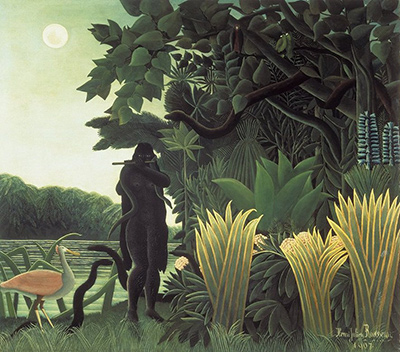
The true magic of Henri Rousseau lies not merely in his exotic subjects, but in the deliberate chaos and surprising texture he introduced to the canvas. Sourcing unique materials allows an artist to replicate that signature atmosphere, turning a standard painting into a tactile journey that defies conventional expectations. By integrating found objects and unconventional textures, one can breathe life into naive works, creating a visual language that feels both rustic and profoundly modern.
The Philosophy of the Found Object
Before physically sourcing any item, one must adopt the mindset of the wanderer who discovers beauty in the discarded. Naïve art thrives on an innocence that often rejects the polish of high-end galleries in favor of the raw, unrefined reality of the street or the garden. The goal is to find materials that carry their own history, textures that whisper of the natural world before they ever touch the palette. This approach transforms the creation process from mere assembly into a dialogue between the maker and the environment.
Scouting the Urban and Rural Labyrinth
The best materials often hide in plain sight, waiting for an artist to look beyond the expected frames. In urban settings, look for vibrant, weathered textiles draped over abandoned storefronts or discarded signage that still holds its bold colors. In rural areas, the forest floor offers a treasure trove of dried moss, smooth river stones, and fallen branches that possess a weight and character no painted branch could ever fully capture. These locations provide a constant supply of organic elements that can anchor a composition and ground it in a sense of place that synthetic substitutes simply cannot match.
Creating Texture Through Layering
Once a material is found, the real work begins with how it is integrated into the painting surface. The key is to treat these additions not as glued-on patches, but as integral parts of the composition. One should consider using a mixture of water and glue or a very light varnish to adhere small fragments of fabric or leaves without obscuring the underlying brushstrokes. By layering these elements, the artist creates a physical depth that the viewer's eye must navigate, mimicking the complex layering of the jungle scenes that Rousseau famously depicted.
Textural Enhancements for Depth and Light
To truly achieve the illusion of light filtering through leaves or the roughness of bark, specific textural aids are essential. Sand, crushed shell fragments, and fine sandpaper can be applied selectively to create areas of high contrast and shadow. When a naive artist seeks to mimic the dappled light of a forest, the physical texture of the surface catches the viewer's eye at different angles, creating a dynamic interplay of brightness and darkness that is purely physical, not just optical. This tactile quality is central to the experience of naive art, inviting the viewer to reach out and feel the reality of the scene.
A Practical Guide to Sourcing and Application
To ensure the process remains organized and the final result is cohesive, consider following this practical guide when gathering and preparing your materials.
- Gather Variety: Collect items of different sizes and densities to create a dynamic range within the composition, from delicate petals to heavy, woody branches.
- Prepare Carefully: Clean all materials thoroughly but gently, removing dirt or sap that might interfere with adhesion, while preserving the natural imperfections.
- Test Adhesion: Always test a small area of your chosen material on a scrap of canvas to ensure it adheres properly and does not crack or peel over time.
- Mind the Scale: Ensure the added elements are proportionate to the painting; an object that is too large can dominate the work, while one that is too small may get lost.
- Respect the Palette: Choose materials whose natural colors complement or intentionally clash with the paint colors to enhance the naive aesthetic of surprise.
By following these steps and maintaining an open mind, you can transform ordinary surroundings into extraordinary artistic elements. The journey to source these unique pieces is as important as the painting itself, for it is in the act of discovery that the spirit of Henri Rousseau comes alive in every stroke and every found object.