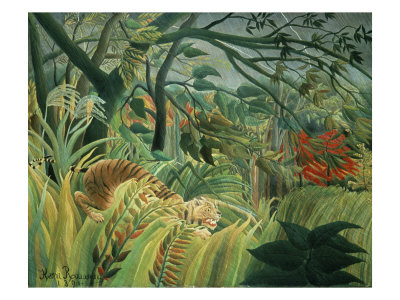
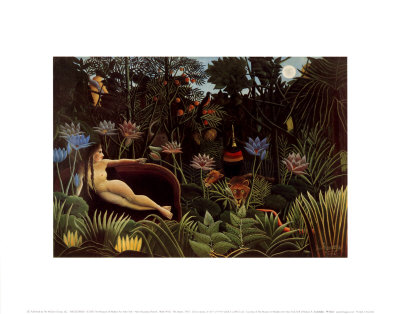
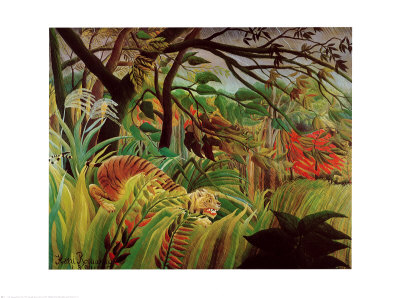
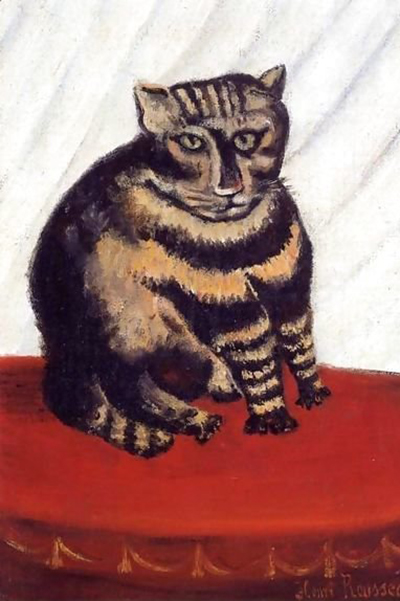
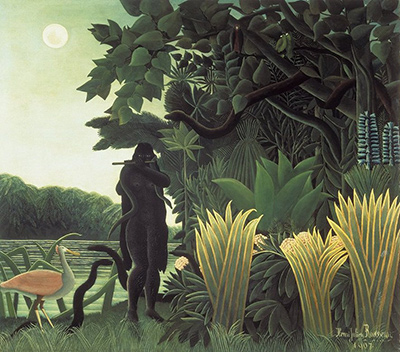
Creating a dedicated space to nurture the unique, unfiltered vision of the naive artist is not merely about assembling tools; it is about curating an environment that encourages pure observation and uninhibited expression. For those inspired by the dreamlike landscapes of Henri Rousseau, the workspace must feel less like a sterile studio and more like a quiet corner of the natural world where imagination can breathe freely without the weight of academic rules.
Gathering the Essential Elements
The foundation of your naive art practice lies in possessing the right materials that allow for freedom of movement and texture. Unlike traditional realism, which demands precision, the naive style thrives on the raw application of pigment and the physical act of creation. You will need high-quality canvases or heavy paper that can withstand vigorous strokes, a variety of brush sizes ranging from fine liners for details to large flat brushes for sweeping washes, and an ample supply of acrylics or gouache paints known for their vibrant, opaque qualities. A palette knife is indispensable, as it allows you to create thick, impasto textures that mimic the foliage and light found in Rousseau's works. Additionally, ensure you have several jars of water and rags for cleaning, keeping your workspace tidy so that the creative flow remains uninterrupted by clutter.
Lighting and Atmosphere
The quality of light in your room plays a crucial role in how you perceive forms and colors, yet in naive art, you do not need artificial perfection. Instead, seek out a space with large windows that allow natural sunlight to flood the room, casting dynamic shadows and highlighting the rich hues of your pigments. If direct sunlight fades your canvas too quickly, position your work where indirect, diffused light falls gently. The atmosphere of the room should also be conducive to deep focus; consider incorporating elements of nature, such as a potted plant, a small window box, or even a sketchbook filled with personal observations of birds and trees. This connection to the physical world helps ground the artist, reminding them that their inspiration comes from the living, breathing reality around them, much like Rousseau did when he painted his jungle scenes while sleeping in a Parisian apartment.
The Mental Space: Removing Inhibitions
Beyond the physical tools and lighting, the most critical component of your workspace is the mental freedom it fosters. Naive art requires the artist to bypass the critical inner voice that seeks to correct every line and shade based on technical standards. Your desk should be a place where mistakes are welcome, for they often lead to the spontaneous bursts of creativity that define this style. Create a routine where you dedicate a specific time each day to this activity, perhaps first thing in the morning before the day's demands consume your energy. Treat your workspace as a temple of imagination where the only rule is to paint what you see or feel, not what you think looks correct. By consciously deciding to stop judging your work while you create, you allow the intuitive style to flourish, freeing your hand to move with the same loose, confident energy that characterizes masterpieces of the genre.
Organizing for Flow
Efficiency in your setup ensures that you spend more time painting and less time hunting for supplies. Arrange your easel or table in the most comfortable position for your body, allowing your arm to move freely without stiffness. Group your paints, brushes, and papers within easy reach so that your workflow remains smooth and intuitive. Keep a sketchbook nearby where you can quickly jot down ideas or rough compositions before committing them to the main canvas. This organization supports the meditative state required for naive art, allowing you to transition seamlessly from observation to execution. When your space is well-organized, the friction of starting a piece diminishes, inviting you to dive straight into the colorful, imaginative world you are trying to build.
Maintaining a Creative Rhythm
Finally, remember that maintaining a simple workspace is also about maintaining a creative rhythm. Your environment should evolve slowly as your collection of works grows, perhaps adding a few new pieces to the wall to serve as subtle inspiration without becoming overwhelming. Regularly clean your brushes and store your paints properly to ensure longevity, but do not let the maintenance of the space become a chore that distracts from the joy of painting. By keeping the area simple, accessible, and spiritually aligned with the goals of naive art, you create a stable foundation that supports your artistic journey. As you step into this space, leave behind the anxieties of technical mastery and embrace the boundless potential of the naive eye, ready to capture the magic of the unseen world on canvas.
Essential Checklist for Setup
To ensure you are fully prepared to begin your journey, consider this practical checklist before you start painting your first naive masterpiece:
- Secure a quiet area free from distractions, noise, and interruptions.
- Acquire a sturdy, adjustable easel that supports your chosen medium.
- Stock up on a range of brushes with different tip sizes and textures.
- Purchase high-quality, opaque paints like gouache or acrylics in vibrant colors.
- Gather a palette knife for creating thick, textured surfaces.
- Obtain a set of clean rags and water containers for frequent cleaning.
- Keep a dedicated sketchbook within arm's reach for quick idea capture.