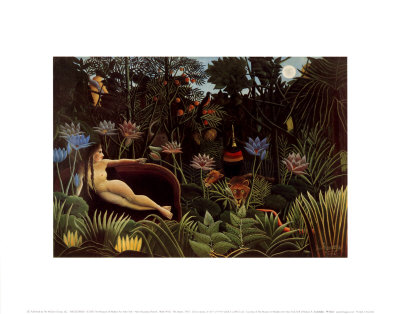
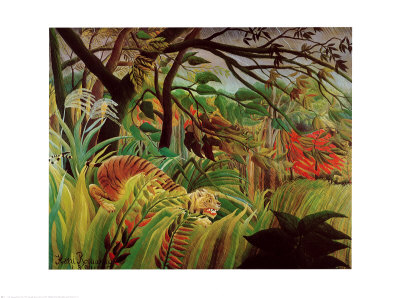
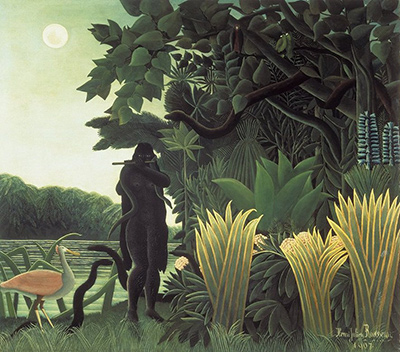
In the vast and evolving world of naive art, where raw emotion and unfiltered imagination take the lead, choosing a name for your portfolio is more than a mere administrative formality; it is the first brushstroke on the canvas of your personal brand. As we explore the life and work of Henri Rousseau, a master of dreams and forests who painted before he was widely understood, we find that a strong name acts as a beacon, drawing collectors into the unique universe you have cultivated over time. Whether you are curating a collection dedicated to the surreal landscapes of the French forest painter or building your own legacy in a similar vein, the title you choose must resonate with the spirit of the work itself, inviting potential buyers to step inside your artistic sanctuary.
The Soul of the Name
Before you settle on a specific moniker, you must ensure that the name reflects the core essence of your collection. A naïve art portfolio is rarely about technical perfection in the academic sense; rather, it is about the authenticity of the vision and the story behind the images. Just as Henri Rousseau's works often featured exotic animals and whimsical creatures that seemed to leap off the page, your portfolio name should evoke a sense of wonder and directness. If your collection focuses on vibrant colors and simple forms, a name that suggests light, nature, or childlike curiosity would be far more effective than a bureaucratic or overly complex title. The goal is to create an immediate connection with the viewer, making them feel that they are witnessing something genuine and unadulterated by art school conventions.
Researching Your Market Landscape
Once you have a general direction, the next step is to look outward at the existing ecosystem of naive art. This involves a practical review of current trends and established portfolios in the field to ensure your chosen name does not inadvertently clash with a major competitor or confuse a buyer. You are not the only one creating a space for this unique style of art, and having a distinct identity is crucial for building a loyal following. Consider searching for existing terms related to specific techniques, styles, or famous figures within the genre to see if they have already been claimed. By conducting this light due diligence, you can position your portfolio to stand out clearly, ensuring that when someone searches for your work, they find your specific voice without any ambiguity or confusion regarding the source material.
Crafting a Memorable Identity
With the direction and context established, you can now begin the creative process of naming. This is where you blend the soul of your collection with the realities of the market to create a phrase that sticks. Think of names that are easy to pronounce, easy to spell, and easy to remember, as these qualities are vital for word-of-mouth marketing and digital visibility. A great name often combines a descriptive element with an evocative adjective or noun, creating a hook that promises an experience. It should feel inviting, much like walking into a Rousseau painting where everything is possible and everything is familiar yet strange. Avoid long, convoluted phrases that might bore a potential collector; instead, aim for brevity and punchiness, allowing the imagery within your portfolio to do the heavy lifting of description.
Integrating Personal and Thematic Elements
To truly own your portfolio, the name should ideally reflect both your personal connection to the art and the thematic core of the works you display. This dual approach ensures that the title feels intimate yet professional, bridging the gap between the artist's passion and the collector's interest. You might draw inspiration from the specific subjects in your work, such as animals, landscapes, or everyday objects, but elevate them with a word that captures your unique perspective. For instance, if your work focuses on the interplay between light and shadow in naïve depictions of nature, a title reflecting that duality could be particularly powerful. By weaving your personal narrative into the name, you transform a simple label into a promise of a specific kind of emotional journey for the viewer.
Finalizing Your List of Options
Once you have brainstormed a wide array of possibilities, it is time to narrow them down to a manageable list of favorites. Here is a checklist to help you evaluate your top contenders before making the final decision:
- Does the name clearly convey the style and mood of the collection?
- Is it easy to say out loud and remember after hearing it once?
- Have you checked that it is not already a trademarked name in the art world?
- Does it sound professional yet accessible to a general audience?
- Will it look good on a website URL, a tag, or a label in a gallery?
Take your time with this final selection process, as the name you choose will travel with your work for years, representing every piece you create and every transaction you facilitate. By treating the naming process with the same care and dedication as the creation of the art itself, you honor the tradition of naive art and set a strong foundation for your future success. Just as Henri Rousseau took the time to observe the world around him before he painted it, you must take the time to observe your own portfolio before you name it.
Related reading
- The Digital Brush: Reimagining the Dream World of Rousseau
- The Child in the Jungle: Cultivating the Spirit of Naïve Art
- Finding Your Own Wild Garden: A Guide to Choosing Subjects in Naïve Art
- The Artist's Canvas: Unveiling the Essentials of Naïve Creation
- Unlocking the Surreal Garden: A Guide to Finding Historical Naïve Art for Inspiration