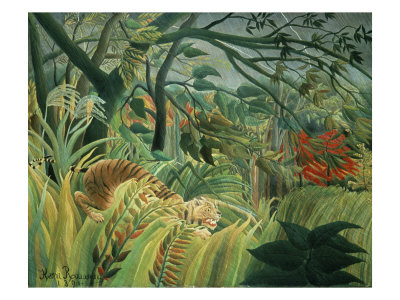
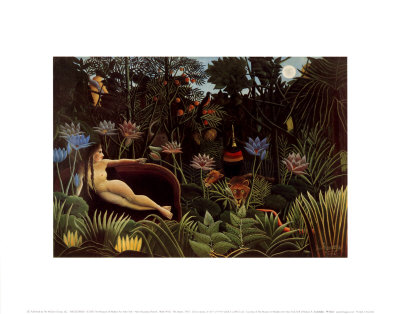
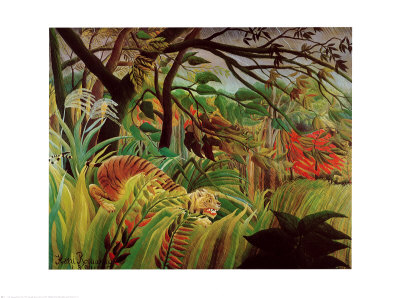
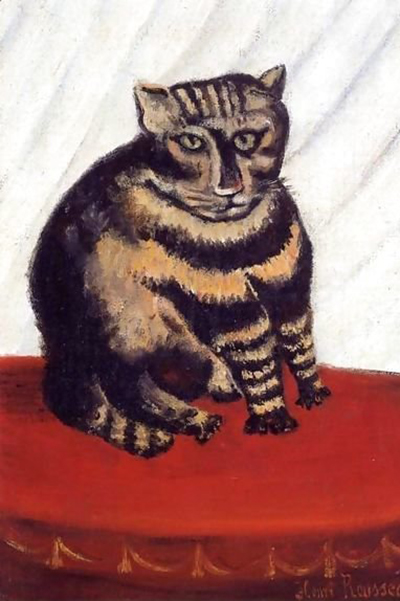
Transforming a raw, spirited work of naïve art into a professionally framed piece requires more than just securing a frame; it demands a meticulous preparation process that honors the unique texture and often unconventional techniques of the artist. Whether you are a collector seeking to display a Henri Rousseau-inspired piece or an artist protecting their own creation, understanding the specific needs of these delicate surfaces is essential for longevity and aesthetic perfection. This guide outlines the critical steps necessary to ensure your painting is ready for the light and the display before it ever meets a wall.
The Integrity of the Support
Before a single drop of adhesive touches the frame, the physical stability of the artwork must be thoroughly assessed. Naïve paintings, often characterized by bold lines and flat areas of color, can be susceptible to warping or cracking if the underlying support has settled unevenly over time. You must examine the canvas or panel for any signs of movement, loose seams, or delamination. If the support is a canvas stretched over wood, ensure that the stretcher bars are perfectly square and that the fabric is taut but not pulled to the point of stress. For panel paintings, check that the wood grain is dry and stable, as moisture fluctuations can cause the wood to swell and crack the paint layer. Once the structural integrity is confirmed, any loose canvas edges must be re-secured to the stretcher using archival-quality staples or clips, ensuring they are flush with the surface to avoid creating bumps that could damage the varnish or paint during handling.
Cleaning the Surface
Many naïve works have been displayed in homes or studios for decades, accumulating a layer of dust and airborne pollutants that can dull the vibrancy of the original colors. Gentle cleaning is the first step in professional preparation, but it must be done with extreme care to avoid damaging the paint surface. Use a soft, lint-free cloth slightly dampened with distilled water to gently wipe away loose surface dust. Avoid using commercial cleaners or solvents, as these can react unpredictably with the pigments used by naive artists, which often include lead-based whites or organic earth tones. For textured surfaces, such as those found in Impressionist or Post-Impressionist styles where the paint is applied thickly (impasto), cleaning must be done by brushing away debris rather than wiping, as wiping could smear the paint. It is crucial to test any cleaning method on a small, inconspicuous area first to ensure no adverse reaction occurs before proceeding with the full surface.
Conservation Analysis and Repair
Once the surface is clean, a detailed inspection reveals if any conservation work is needed before framing. Look for small cracks in the paint layer, known as craquelure, which can be natural and age-related, or for actual damage caused by previous improper cleaning or frame pressure. If there are loose areas of paint, they may need to be carefully re-anchored to the canvas or panel with a reversible adhesive, such as gel medium or Japanese tissue, ensuring the repair is invisible upon close inspection. For tears in the canvas, they must be carefully mended with a matching piece of canvas or a conservation-grade fabric, secured with invisible threads that do not alter the visual flow of the artwork. Every repair must be documented, and any treatment applied should be reversible to allow for future conservation needs without compromising the original artist's intent.
Addressing Color Shifts and Discoloration
Over time, yellowing varnish or fading pigments can alter the true color of the painting, hiding the original brilliance that the artist intended. In cases where the varnish layer is yellowed, a professional conservationist may recommend a delicate cleaning process or even a controlled re-varnishing to restore clarity. However, this must be done with great caution, as removing old varnish can be irreversible. If the painting shows signs of fading due to UV exposure, the solution is simple: wrap the artwork in acid-free tissue paper and place it inside a high-quality UV-filtering frame. This protective measure allows the light to pass through without damaging the pigments while maintaining the transparency of the view. Always consult with a conservator before attempting any chemical treatments, as incorrect application can permanently damage the artwork's color palette.
Framing Specifications and Materials
The final stage involves selecting framing materials that complement the naïve style without overpowering it. Naïve art often features raw, organic, or slightly rough textures, so the frame should reflect this honesty rather than trying to mimic high-end classical styles. Choose frames made from sustainably sourced wood with a matte finish or those made from high-quality aluminum that does not reflect light excessively. Crucially, the glass or acrylic used must be UV-protective and anti-reflective to prevent glare and protect the colors. The matting board is equally important; use acid-free, archival-quality mats in neutral tones that do not compete with the bold colors of the painting. Ensure that the mounting material used to attach the painting to the mat is archival and reversible, typically Japanese tissue or conservation-grade tape, to prevent the canvas from adhering permanently to the mat and becoming difficult to remove later.
By following these rigorous steps, you ensure that your naïve painting is presented in the best possible light, preserving its artistic integrity for future generations to appreciate.
Final Checklist for Professional Readiness
To guarantee that your painting meets all standards before entering the frame, perform this comprehensive verification list one last time.
- Verify that the canvas tension is even across all four corners with no sagging or bowing.
- Confirm that all varnish layers are clear, uniform, and free from insect damage or mold spores.
- Ensure that any previous repairs have been fully stabilized and are flush with the surrounding surface.
- Check that the backing board is perfectly flat and secured with archival adhesive to prevent future flexing.
- Inspect the paint surface for any loose pigment that could fall off during transport or handling.
- Validate that the cleaning solution used previously was safe for the specific medium of the painting.
- Document all current conditions and treatments applied to create an archival record for future reference.
By adhering to these guidelines, you protect the essence of the naïve style and ensure your artwork remains a vibrant treasure for years to come.