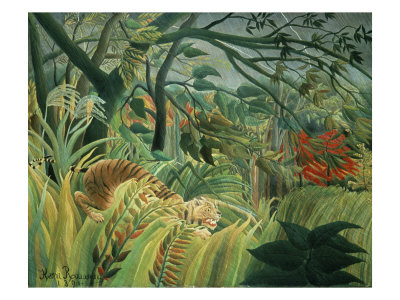
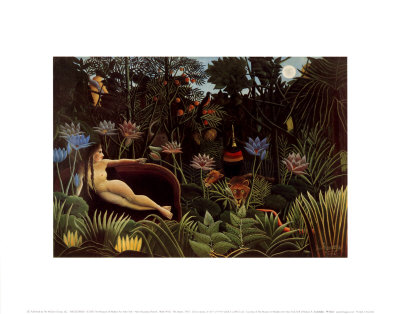
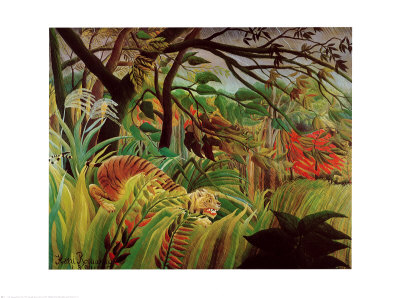
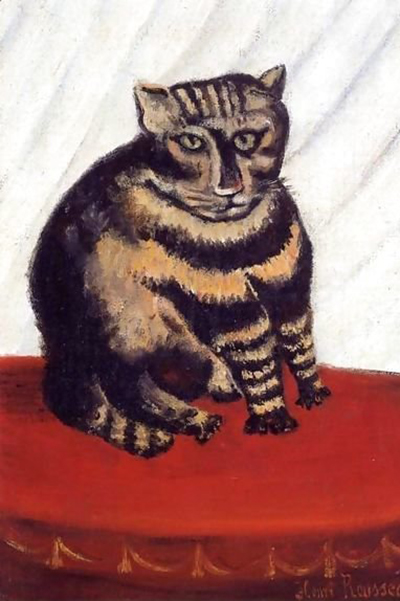
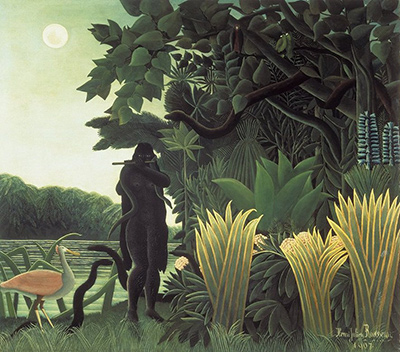
Diving into the realm of naïve portraiture is a thrilling adventure that encourages you to leave behind rigid conventions and let the vibrant spirit of the artist bloom through uninhibited creativity. Whether you are capturing the likeness of a cherished family member or celebrating the unique charm of a friend, this style offers a fresh perspective where simplicity meets profound emotion, echoing the whimsical vision of Henri Rousseau.
Preparing Your Mental and Physical Space
Before you even pick up a brush, the foundation of a successful naïve session lies in your mindset and the environment you create. Naïve art thrives on an atmosphere of playfulness and honesty, so ensure your studio or home space is clean yet inviting, free from distractions that might inhibit your flow. You need to gather your essential tools: high-quality, non-toxic paints that allow for smooth blending, sturdy canvas or heavy paper, and a variety of brushes ranging from fine liners for eyes and lips to wide flat brushes for broad strokes of color. Additionally, consider providing the subject with a small mirror or showing them a reference photo beforehand, as they may not be familiar with the specific techniques required for this style. The goal is to make them feel comfortable and curious, setting the stage for a collaboration rather than a strict painting session.
Capturing the Essence, Not Just the Features
When you begin the actual painting process, remember that the objective is not to achieve photographic realism but to capture the inner soul and character of your subject. In naïve portraiture, exaggerated features and bold, flat colors are often used to emphasize personality traits, making the subject appear larger than life or uniquely expressive. Start by sketching loosely with charcoal or pencil to establish the basic shapes of the head and features without getting bogged down in fine details. Focus on the eyes, which should convey a sense of life and depth, using simple shapes and strong outlines rather than subtle shading. The skin tones should be vibrant and slightly stylized, perhaps leaning towards a warm peach or soft yellow, avoiding the greyish realism that might dampen the playful energy of the piece. Trust your intuition and let your hand move freely, embracing mistakes as opportunities for creative discovery rather than things to be corrected immediately.
The Art of Simplification
One of the most defining characteristics of naïve art is its deliberate simplification of complex forms and textures. Instead of rendering intricate fabrics, fur, or leaves with minute detail, you should group colors and shapes into larger, more manageable areas. This approach not only speeds up the painting process but also enhances the emotional impact of the portrait by focusing the viewer's attention on the face and expression. For example, when painting a shirt or a hat, use broad blocks of color with minimal texture; the goal is to suggest the object rather than document it perfectly. This abstraction allows the viewer to fill in the details with their own imagination, creating a more engaging and personal connection to the artwork. By stripping away unnecessary complexity, you allow the raw emotion and humor inherent in the style to emerge naturally from the canvas.
Working with Light and Shadow in a Stylized Way
While naïve art often avoids the strict laws of chiaroscuro found in academic painting, light and shadow are still crucial for defining form and creating depth. Instead of using a full range of greys and blacks to model the face, you can use a limited palette of contrasting colors, such as a bright blue shadow against a warm yellow highlight. This technique can create an optical illusion of volume while maintaining the flat, graphic quality typical of the genre. Be mindful of the direction of the light source, but do not be afraid to experiment with multiple light sources or unnatural lighting scenarios to add a dreamlike quality. Shadows can be painted with vibrant colors like purple, green, or orange to break the monotony and add a whimsical touch. Remember that in this style, the interplay of color often carries more visual weight than the intensity of the light itself, so play with hue and saturation to create a dynamic and engaging composition.
Encouraging the Subject's Participation
The final secret to a successful naïve portrait session is to actively involve your subject in the creative process. You can do this by letting them choose the background color, selecting accessories to wear, or even suggesting elements to include in the painting. If they are able to hold a brush, encourage them to make marks on the canvas, which can add a layer of authenticity and shared memory to the final piece. This collaborative approach transforms the experience from a simple portrait session into a bonding activity that captures the essence of your relationship. By fostering a sense of fun and freedom, you ensure that the resulting artwork is not just a likeness, but a true reflection of the spirit and joy shared between you and your subject, paying homage to the rebellious and joyful nature of art history's most beloved naïve painter.
To ensure you are fully prepared for your first attempt, consider incorporating the following essential steps into your planning routine:
- Select a relaxed time of day when both you and your subject are most alert and cheerful.
- Choose a comfortable seating arrangement that allows the subject to pose naturally without feeling constrained.
- Have a selection of colorful papers ready to be taped to the canvas for a collage effect if desired.
- Prepare a clean palette and ensure all brushes are washed and ready for immediate use.
- Keep a bottle of water and paper towels nearby for easy cleanup and touch-ups.
By following these practical guidelines and maintaining an open, imaginative spirit, you will be well on your way to creating a stunning naïve portrait that speaks directly to the heart of those involved.