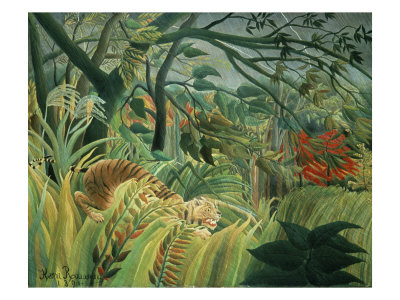
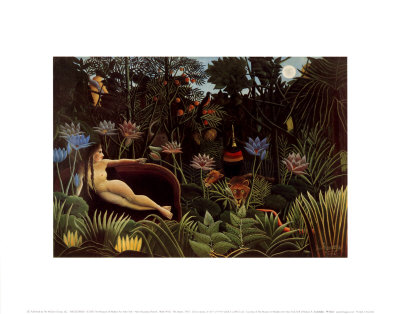
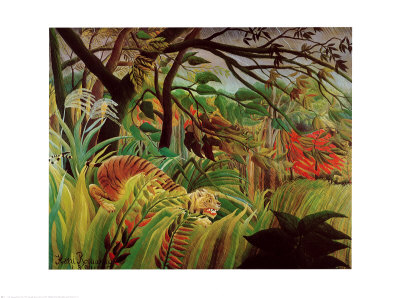
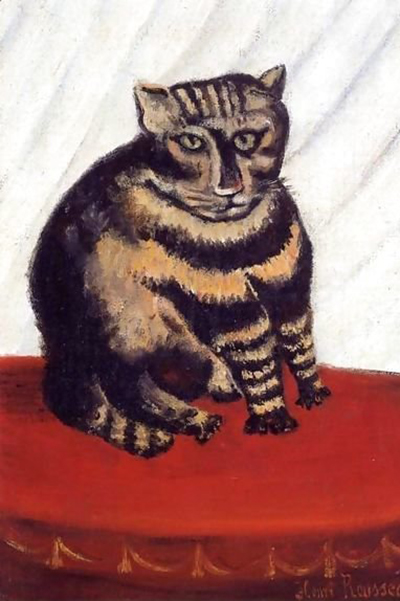
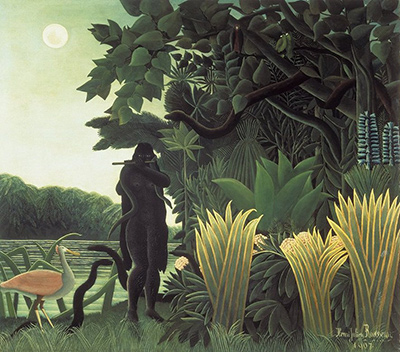
Embarking on an outdoor session with Henri Rousseau in mind means carrying more than just paints; it involves transporting a specific, unencumbered way of seeing the world where nature is not merely observed but felt and touched. To capture the vibrant, dreamlike quality of his jungle scenes while standing amidst a real forest, field, or garden, you must ensure your kit is perfectly balanced between portability and functionality, allowing your mind to focus on the rhythm of light and shadow rather than the frustration of a missing supply. This guide outlines the essential checklist for packing your supplies for an outdoor naïve painting trip, ensuring you are ready to paint with confidence and joy regardless of the season or location.
The Foundation: Light, Color, and Portability
The core of any naïve painting session relies on the ability to mix colors on the go and capture the fleeting changes in natural light. Unlike academic painting, which might benefit from a large studio setup, the artist working outside needs a system that is lightweight yet robust enough to withstand wind and unexpected weather. Your canvas or panel should be easy to carry, perhaps rolled in a tube or stretched on a simple frame that can be propped against a tree or rock. The palette is equally critical; consider bringing a compact set of water-soluble pastels or a small tin of vibrant oils that can be quickly mixed. The goal is to have access to a full spectrum of hues without the burden of carrying heavy tubes of every shade. If you work with watercolors, ensure your palette is designed for outdoor portability, perhaps a small, foldable tray that fits easily into a backpack. The materials you choose should reflect the spontaneity of the genre, encouraging quick decisions and fluid application rather than meticulous layering.
Essential Tools for the Wild
Once you have established the base materials, the specific tools you bring to the field will dictate the texture and mood of your work. In the spirit of Rousseau, who often worked with a sense of directness and lack of technical pretension, your tools should be simple but effective.
- A high-quality brush set with varying sizes, from fine liners for details to broad flats for washes.
- A palette knife for mixing paints directly on the spot, allowing for bold strokes and impasto effects.
- A sturdy sketchbook or pad of heavy paper to capture ideas before moving to the canvas.
- A clean water bottle and a dedicated container for rinsing brushes in situ.
- A small apron or smock to protect your clothes from splatters and dust.
- A portable easel that is stable but not cumbersome to set up in uneven terrain.
These items form the backbone of your operation, ensuring that when you arrive at your spot, you can immediately begin creating. The simplicity of the gear supports the simplicity of the vision, removing distractions and allowing the natural world to become the true subject of your creation.
Weather Preparation and Environmental Awareness
Painting outdoors introduces variables that do not exist in a controlled studio environment, and a naïve artist must be prepared to adapt to them. Weather can change rapidly, so checking the forecast is the first step, but being prepared for sudden shifts is the second. If you anticipate rain, consider bringing a small umbrella or a clear plastic sheet to cover your canvas and palette, ensuring the materials remain dry. If the wind is strong, securing your easel and choosing a sheltered spot is crucial to prevent the canvas from flapping or the paint from drying prematurely. Temperature also plays a role; in winter, thick paint may not flow as easily, while in summer, it may dry too quickly. Carrying a thermal bag for your oils or a fan for watercolors can help regulate the working conditions. Being mindful of these factors allows you to maintain the flow of creativity without constant interruptions.
Documentation and Reference
While the immediate sight before you is your primary inspiration, carrying some reference material can be beneficial, especially if you are painting a specific location you know well or a general type of landscape. A small notebook to jot down observations about the light, the shadows, and the unique textures of the environment can serve as a memory aid. However, avoid carrying large books or heavy cameras that might become a distraction. The spirit of the naïve style is about direct engagement, so your notes should be quick sketches or color swatches rather than detailed written descriptions. This approach keeps you connected to the physical space while providing a quick way to recall specific details later if needed.
The Mental Checklist: Mindset for the Journey
Finally, the most important item in your packing list is your mindset. Henri Rousseau painted from memory and imagination, blending the real with the fantastical. As you pack, remember to include the freedom to make mistakes and the willingness to embrace the unexpected. Your kit should be organized not just for efficiency, but for inspiration. Arrive at your location with an open heart, ready to let the colors of the world wash over you and translate them onto your surface without fear of judgment. Whether you are in a sun-drenched meadow or a misty forest, the goal is to capture the essence of the moment. With the right supplies and the right attitude, you can create a body of work that feels as vibrant and timeless as the masterpieces of the great naïve painter.