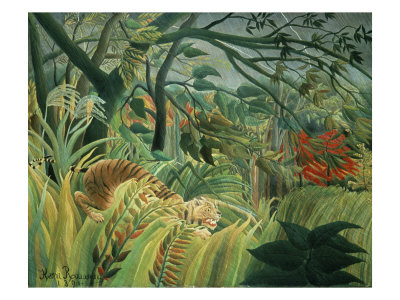
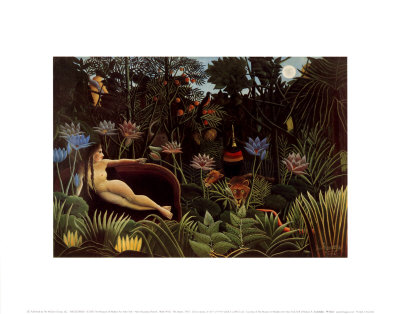
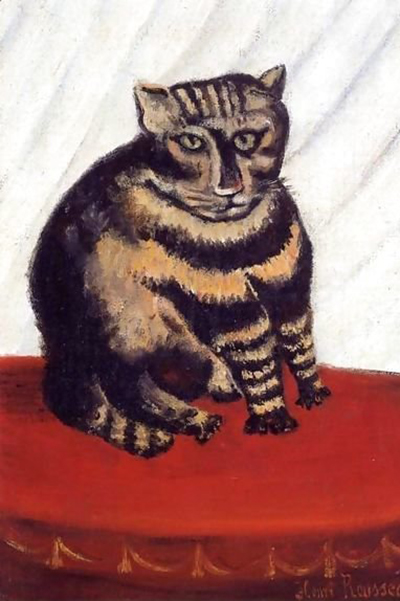
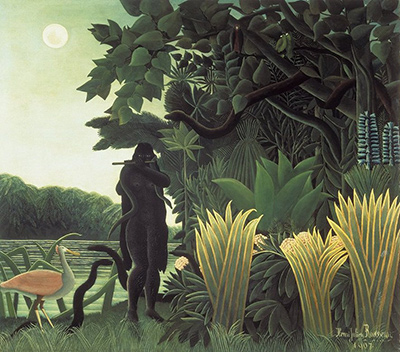
To paint like Henri Rousseau is to embrace a mind that wanders through jungles and cities with eyes wide open, capturing the impossible before it happens. Organizing a studio for such loose, creative work requires a deliberate rejection of rigid systems in favor of an environment that breathes and evolves alongside the artist's intuition. This guide offers a practical framework to transform your physical space into a fertile ground where spontaneous inspiration can take root and bloom without the heavy shackles of traditional order.
Building a Foundation of Freedom
The first step toward nurturing loose creativity is establishing a base that feels secure yet unrestrictive. You must create a central zone where the artist can operate without the distraction of administrative clutter or the constant need to search for tools. Imagine a workspace that feels like an extension of the artist's internal landscape, where the boundaries between the canvas, the easel, and the floor are fluid. This core area should be designed to minimize friction; when a sudden urge to paint arises, the hand should move to the brush almost instinctively, bypassing the mental calculation of where that brush is stored elsewhere in the room. By prioritizing flow over strict categorization in the immediate work zone, you signal to your brain that this is a place for action, not just storage.
Curating the Elements of the Dream
Once the physical workspace is clear, the next challenge is curating the materials that feed the imagination. A studio for Rousseau-esque work must contain a chaotic yet harmonious collection of textures, colors, and surfaces that defy conventional logic. Instead of strictly organizing by medium, arrange items to evoke a sense of wonder and discovery. You might place a box of discarded magazines next to a jar of crushed velvet, or keep a selection of found objects within easy reach. This approach mimics the artist's internal process, where disparate elements collide to create new meaning. The goal is not to make every tool perfectly accessible, but to ensure that the most evocative and surprising items are never lost in the shadows of organized shelves.
The Art of Intentional Disorder
While the philosophy embraces disorder, the execution requires a careful balance between chaos and control. The key lies in defining what is truly necessary for the moment versus what is merely accumulating debris. You must distinguish between the tools that spark an idea and the junk that drowns it out. A practical method to achieve this is to designate specific, low-friction zones for "living" materials—things that change daily or are used frequently—while allowing other areas to be more static. Within these living zones, you can adopt a loose system where items are grouped by function rather than type, perhaps placing all wet media in one corner and all dry pastels in another, but leaving the specific brands and sizes to a degree of random arrangement. This intentional disorder allows the eye to scan the room more naturally, triggering associations and memories that a hyper-organized, grid-like layout might suppress. To implement this effectively, consider the following principles:
- Reserve the most visible shelves exclusively for the current project's palette.
- Keep a "junk drawer" hidden in a separate cabinet for unrelated household detritus.
- Allow lighting fixtures to be positioned where they cast interesting shadows, regardless of utility.
- Maintain a single, large surface for sketches that can grow messy without interruption.
- Store heavy equipment low to the ground to avoid tripping over stacked boxes.
- Ensure that the path from the door to the easel remains completely clear of obstacles.
Rituals of Transition and Release
Creative flow often depends on the rituals that separate the artist from the world and re-integrate them into it. Establishing a simple routine for entering and leaving the studio can help reset the mental state required for loose work. Before sitting down, take a moment to acknowledge the space, perhaps by lighting a candle or simply by stepping over the threshold with a sense of purpose. After the session, rather than immediately cleaning up, engage in a ritual of release, such as clearing the palette into a bin or leaving a small offering on the easel. These small actions reinforce the boundary between the creative act and the mundane, allowing the energy of the work to dissipate naturally without guilt or the rush of immediate tidiness. Over time, these rituals become the invisible scaffolding that supports the messy, beautiful work happening in the center of the room.
The Living Archive of Inspiration
Finally, consider the studio as a living archive of your evolving style, much like a garden that grows season after season. Do not fear the accumulation of failed canvases or discarded sketches; these are the seeds of future masterpieces. Instead of packing them away in boxes, display them in a corner where they can be viewed as part of the ongoing narrative. This visual history provides a context that fuels new ideas, showing you what has been tried and what has worked. The studio becomes a repository of the artist's journey, a testament to the wild, unfiltered nature of the creative process. By treating the space as a dynamic entity rather than a static container, you invite the artist to remain open, curious, and profoundly connected to the world, ready to capture the next fleeting moment of truth.