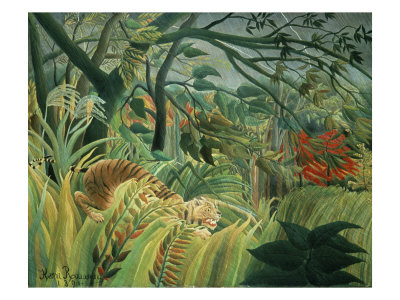
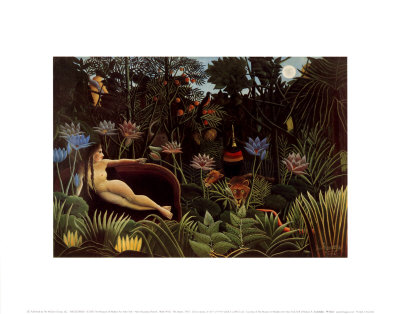
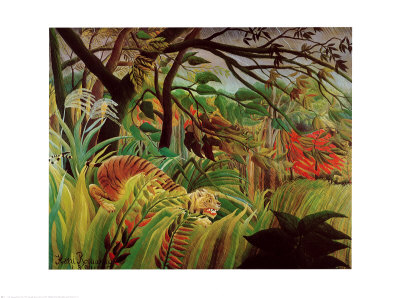
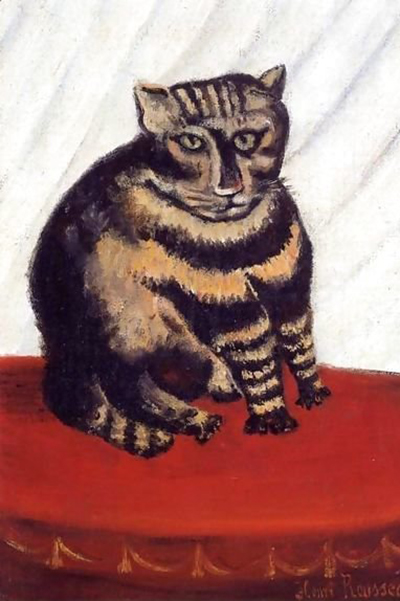
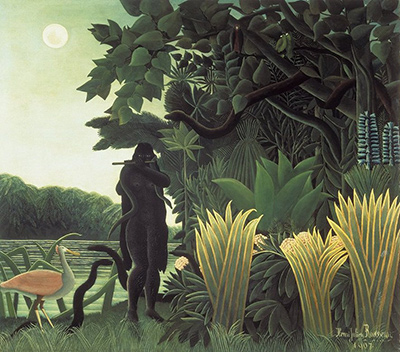
Creating art in the spirit of Henri Rousseau requires a delicate balance between embracing the uninhibited freedom of the naive style and maintaining a critical eye that can identify areas needing refinement. This process is not about correcting every flaw, but rather about learning to distinguish between the charming accidents of the naive mind and technical hurdles that might hinder the viewer's immersion. By systematically reviewing your work through a fresh lens, you can ensure that your unique voice remains the protagonist of your piece rather than being overshadowed by unintended stylistic deviations.
Cultivating the Distance Necessary for Clarity
One of the most challenging aspects of critiquing one's own work is the emotional attachment that inevitably forms during the creation process. When you are in the flow of painting, your perspective is intimate and immediate, making it difficult to see the canvas as a whole. To truly assess your naïve work, you must establish a physical and temporal distance from the piece. Stepping away from the easel allows you to view your creation objectively, much like an observer would, rather than as a creator. This shift in perspective is crucial because it helps you identify patterns or inconsistencies that your own subconscious might have glossed over.
Assessing the Composition and Spatial Logic
In the world of naïve art, composition often relies on a unique vision that may not strictly adhere to traditional perspective rules, yet it must still function coherently. You need to ask yourself if the elements within your painting interact logically, even if they do not follow realistic vanishing points. Look for a sense of balance where the eye travels naturally across the canvas. Consider how the foreground, middle ground, and background are organized. If there are too many focal points competing for attention, the composition may feel chaotic. A successful naïve piece usually establishes a clear, albeit unconventional, hierarchy that guides the viewer's gaze without confusion.
Testing the Depth of Field
A critical sub-component of naïve composition is the management of depth. Since the artist often flattens space, the challenge lies in creating an illusion of three dimensions without relying on strict linear perspective. Examine your work to see if the objects feel grounded in a shared environment. Are the trees, figures, and landscapes interacting as if they exist in the same space? If you notice elements appearing to float disconnectedly or overlapping in illogical ways, it may be necessary to adjust their placement. This section is vital because a lack of spatial cohesion can break the magical realism that defines this style. Ensure that your "flat" spaces feel intentional and that the layers of the painting breathe together, creating a sense of depth that is felt rather than calculated.
Evaluating Color Harmony and Emotional Tone
Color is the soul of a naïve painting, capable of evoking intense emotions that go beyond mere representation. When reviewing your work, focus on whether the palette supports the intended mood of the piece. Does the vibrant green of the foliage enhance the feeling of a lush jungle, or does it clash with the warm tones of the sky? Naïve artists often use bold, non-naturalistic colors to express their internal vision, so consistency is key. Ask yourself if the colors work together to create a unified atmosphere. If a specific hue feels out of place or too dominant, consider toning it down or balancing it with complementary shades. The goal is to ensure that the color choices amplify the story you are telling, rather than distracting from it.
Refining Details Without Losing the Essence
Finally, while broad strokes are essential, the inclusion of specific details can ground your work and add charm. However, there is a fine line between adding interesting details and cluttering the scene. Review your painting to ensure that every small mark serves a purpose. If a texture or pattern looks repetitive or overwhelming, consider simplifying it. Remember that the essence of your work lies in its ability to surprise and engage, not in its complexity. By stripping away unnecessary minutiae, you allow the viewer to focus on the larger narrative and the unique artistic voice that defines your style. This final check ensures that your piece remains true to the spirit of Henri Rousseau while offering a polished, thoughtfully composed experience for the audience.
To truly implement this critique with a systematic approach, consider running through this checklist before making any final adjustments to your canvas:
- Step back from the painting for at least ten minutes to break your initial creative connection.
- Observe the leading lines to ensure they guide the eye toward a central, singular focal point.
- Check if the sky and ground planes maintain a consistent color temperature appropriate for the time of day depicted.
- Verify that no single element dominates the composition to the exclusion of all others, creating a balanced visual weight.
- Assess whether the "impossible" geometry of the trees or buildings feels intentionally stylized rather than accidental.
- Determine if the background details are subtle enough not to distract from the primary subjects in the foreground.
- Reflect on whether the overall emotion conveyed matches the narrative you intended to explore during the creation phase.