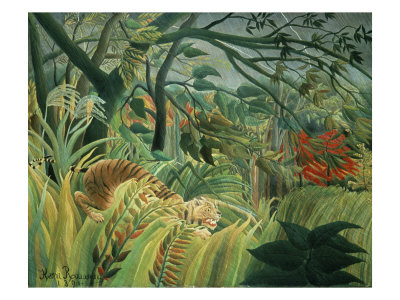
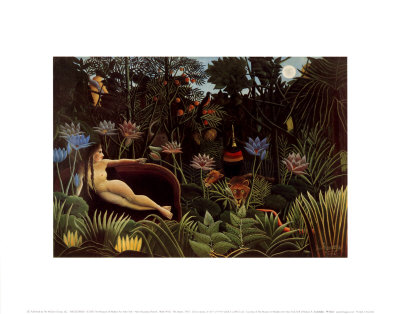
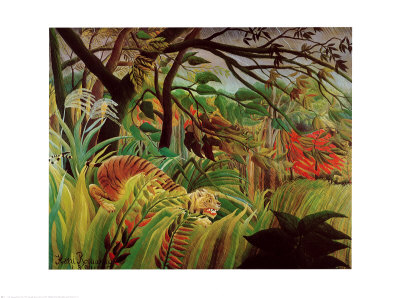
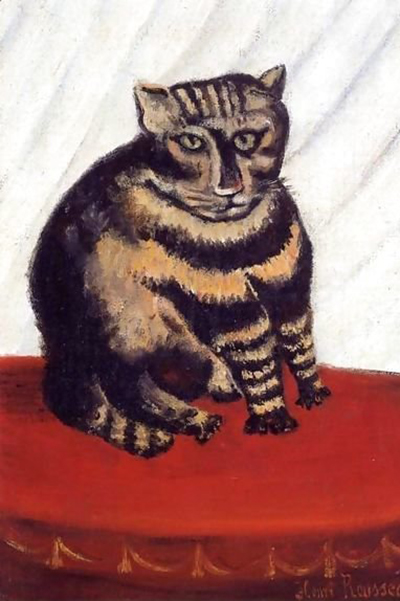
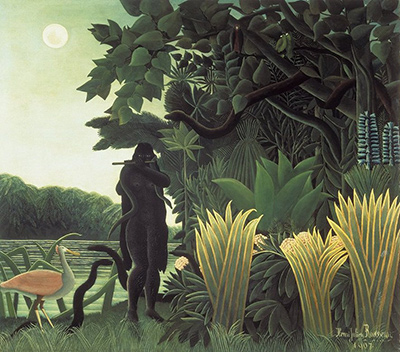
Henri Rousseau taught us that nature is not just what the eye sees, but a world constructed by the mind, where logic bends to serve a dreamlike narrative. To capture this essence, one must abandon rigid realism and embrace the expressive, gestural freedom of charcoal and pencil. This guide outlines how to draft concepts that breathe with the same surreal vitality found in the master's iconic jungle scenes.
Cultivating the Surreal Mindset
Before picking up any tool, you must adopt the internal philosophy that defines the style. The goal is to observe the world with a sense of wonder and slight detachment, ignoring standard rules of proportion in favor of emotional truth. You are not trying to document reality, but to reimagine it into a new, personal reality.
- Select a subject that makes you feel a mix of curiosity and unease.
- Close your eyes and imagine the scene as a memory or a dream rather than a fact.
- Focus on the feeling of the atmosphere—humidity, shadow, and stillness—rather than specific details.
By shifting your focus from the physical object to the internal experience, you create the necessary space for the impossible elements that characterize the naive aesthetic.
Mastering the Loose Hand
Technical freedom is the cornerstone of the naive aesthetic. Unlike traditional academic drawing which seeks clean lines and perfect shading, the naive style relies on a gesture that is confident yet unrefined. When working with charcoal, the texture of the material is your ally; it smudges, breaks, and blends in ways that mimic the texture of nature itself. Do not struggle to keep lines perfectly straight or circles perfectly round. Instead, let the hand move with a loose, almost jerky energy that suggests movement and life. A wobbly line can convey the sway of a tree branch in the wind better than a rigid one ever could. Use the side of the charcoal stick to create broad, sweeping shapes that define the mass of the object, leaving the details for the imagination of the viewer. This lack of precision creates an aura of mystery and invites the eye to wander, much like Rousseau's own compositions where every element seems to be waiting to be discovered.
Layering with Purpose
Building up the image requires a strategy that respects the natural flow of the medium. Start with a light, broad gesture to establish the main shapes and the general direction of the light source. Avoid heavy pressure initially; you want the surface of the paper to feel the presence of the form without being overwhelmed by dark marks. As you add layers, do so with intention, focusing on areas of interest rather than trying to fill every corner of the page. Use your finger or a tissue to smudge areas gently, creating soft transitions that suggest distance or atmospheric haze. This technique allows the charcoal to merge with the paper, creating a texture that feels organic and aged. Think of the drawing as a living organism that is growing over time, where each layer adds a new dimension to the dream-like quality of the scene.
Texturing the Impossible
One of the most crucial aspects of capturing the Rousseau style is the ability to introduce textures that do not exist in reality, such as the rough bark of a giant tree or the shimmering scales of a mythical fish. This is achieved through the deliberate manipulation of the drawing tool and the paper surface. By dragging a piece of charcoal across the paper, you can create streaks that mimic fur or feathers. By pressing hard in specific spots and then lifting the hand quickly, you can create holes and breaks in the graphite, resembling rough stone or cracked earth. Do not be afraid to make mistakes; in this style, a smudge is often a feature, not a bug. It adds to the sense of immediacy and the rough-hewn quality of the composition. Experiment with different angles and speeds to create a variety of surface qualities that enhance the narrative of your drawing.
The Final Vision
The final step is to step back and assess the harmony of your draft. Does the composition feel balanced, even if it defies the laws of perspective? Are the focal points clear despite the looseness of the lines? In the naive style, the composition is often dictated by the emotional weight of the elements rather than strict geometric rules. Ensure that the most striking features—the glowing eyes of a bird, the massive trunk of a tree, the shadowed depths of a forest—are given the most visual weight. Remember that the power of this art form lies in its ability to transport the viewer to a place that exists only in the imagination. By combining the raw potential of charcoal with a disciplined yet free spirit, you can begin to draft concepts that echo the timeless, wild beauty of Henri Rousseau's legacy.
Related reading
- The Digital Brush: Reimagining the Dream World of Rousseau
- The Child in the Jungle: Cultivating the Spirit of Naïve Art
- Finding Your Own Wild Garden: A Guide to Choosing Subjects in Naïve Art
- The Artist's Canvas: Unveiling the Essentials of Naïve Creation
- Unlocking the Surreal Garden: A Guide to Finding Historical Naïve Art for Inspiration