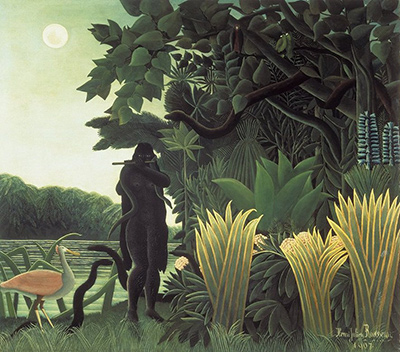
Capturing the essence of a signature style within the naïve tradition requires more than just technical skill; it demands a radical shift in perspective that embraces the innocence of the observer over the precision of the academy. By studying the works of masters like Henri Rousseau, one can discover that the most striking elements of this art form often lie in their deliberate imperfections, dreamlike logic, and vibrant, unfiltered color palettes that defy conventional rules of realism.
Embracing the Dream Logic of Nature
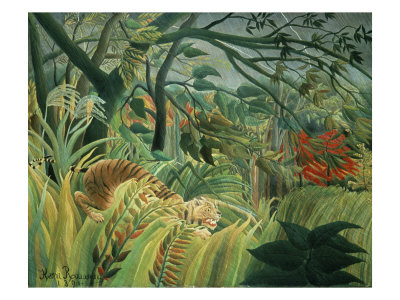
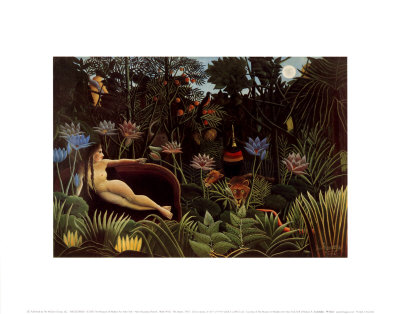
The foundation of a successful naïve style lies in how nature is perceived rather than how it is measured. Unlike classical realism which seeks to render the world exactly as it appears from a specific viewpoint, naïve art often constructs scenes that feel like memories or dreams. This involves arranging elements in the background that seem to float or merge into the foreground, creating a flat, two-dimensional space where depth is suggested through color rather than perspective. To achieve this, the artist must learn to prioritize the emotional truth of the scene over its geometric accuracy, allowing trees to tower over houses or birds to perch on unexpected surfaces. This manipulation of space creates a sense of wonder and mystery that is central to the movement, inviting the viewer into a world that feels both familiar and strangely new.
Mastering the Vibrant Palette
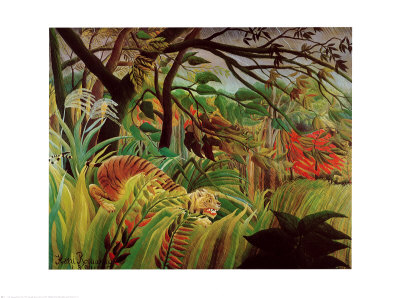
Color in the naïve tradition is rarely used merely to describe an object but to evoke an atmosphere or a feeling. Artists in this tradition often employ bold, saturated hues that may not exist in nature but do exist in the mind's eye. This approach requires a willingness to use unnatural colors, such as bright reds for the sky or electric blues for shadows, to enhance the narrative or emotional impact of the piece. The goal is to create a visual rhythm where complementary colors clash joyfully, generating energy and life. By studying how historical figures like Henri Rousseau utilized flat areas of intense color to define shapes and separate planes, a beginner can develop a personal vocabulary of color that feels authentic to the style while remaining uniquely their own.
Developing a Distinctive Brushstroke
The technique of application is perhaps the most visible aspect of a signature style, particularly regarding the brushwork. In naïve art, the brushstroke is often visible, deliberate, and rhythmic, serving as a direct line of communication between the artist and the canvas. This style rejects the fine, seamless blending of oil painting in favor of a more impulsive, energetic application of paint. One might observe that the strokes often follow the contours of the subject matter, such as the jagged lines of thorns or the sweeping arcs of branches, yet they remain distinct and do not blend into a smooth surface. To cultivate this, practice applying paint in broad, confident sweeps rather than small, careful touches. Consider the following approach to developing your own texture:
- Focus on the direction of your brush movement, ensuring it guides the eye through the composition.
- Avoid over-smoothing edges; let the paint sit slightly thick on the canvas to maintain a tactile quality.
- Experiment with layering colors without fully blending them to create depth through contrast rather than shadow.
- Embrace the texture of the brush or palette knife to add physical presence to the artwork.
Simplifying Forms and Figures
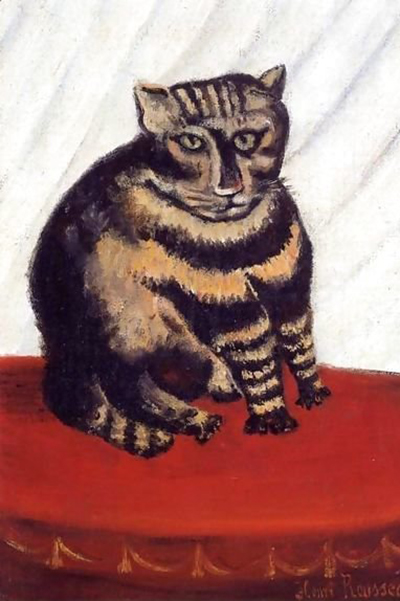
A hallmark of the naïve tradition is the simplification of complex forms into recognizable, almost childlike shapes. This does not mean the subject lacks detail, but rather that the complexity is distilled into its essential components. Figures and animals are often depicted with a slight exaggeration of features, perhaps larger eyes or simplified limbs, which can make them appear endearing or monumental. This abstraction allows the artist to focus on the essence of the character or animal without getting bogged down in anatomical correctness. By reducing the visual noise of the world, the subject matter can take center stage, drawing the viewer in with its charm and clarity. This simplicity is not a lack of effort but a conscious choice to reveal the core beauty of the subject, stripping away the distractions of realism to highlight the universal truths within the scene.
Creating a Personal Signature
Ultimately, developing a signature style is a journey of self-discovery that balances respect for the tradition with the uniqueness of the individual artist. It involves internalizing the core principles of naïve art—the dream logic, the vibrant color, the expressive brushwork, and the simplified forms—while filtering them through one's own life experiences and artistic voice. A true signature style emerges not from trying to copy a specific artist perfectly, but from finding the specific way in which these elements resonate with the creator. As you practice and refine your technique, trust your intuition and allow your personal vision to guide your decisions. The result will be a body of work that honors the spirit of the tradition while standing as a distinct, authentic voice in the world of art, capturing the magic of the unseen with unwavering confidence and joy.