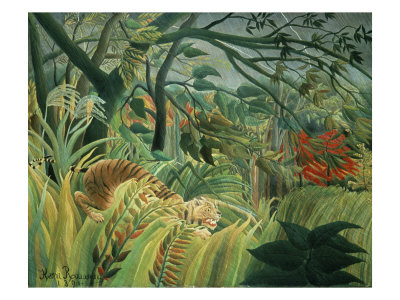
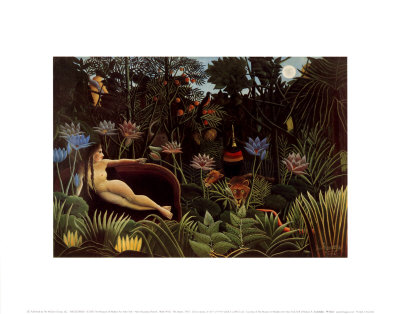
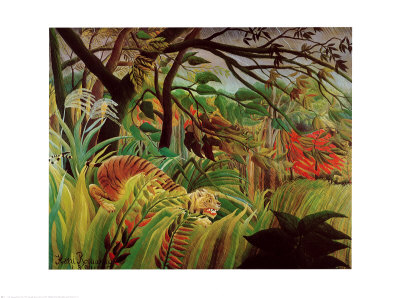
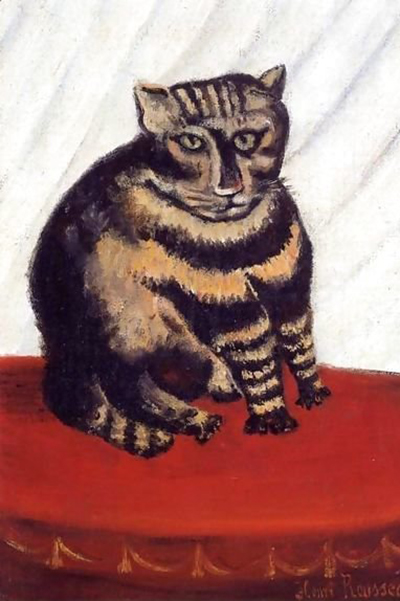
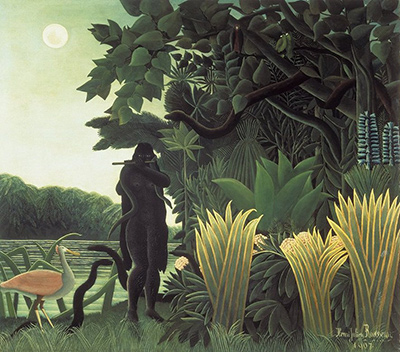
Bringing the dreamy, whimsical worlds of Henri Rousseau into your living space through large-scale reproductions requires more than just hanging a poster; it demands a strategy that honors the intricate details of his jungle scenes while respecting the unique texture of your home. When tackling a massive naïve wall art project, the challenge lies in balancing the sheer visual impact of the composition with the practicalities of installation and preservation to ensure the artwork feels integrated rather than overwhelming.
Assessing Scale and Spatial Harmony
Before you even consider purchasing a print or commissioning an original, you must thoroughly analyze the dimensions of the available wall space. Rousseau's works are often characterized by vast, sweeping horizons and dense clusters of foliage that demand a canvas with significant presence. If the artwork is too small for the wall, it loses its immersive quality; conversely, if it is too large, it can dominate the room to the detriment of the furniture and architecture surrounding it. Measure your wall and consider the focal point of the room, such as a fireplace, a large window, or a specific architectural feature, to determine where the composition will sit most naturally. Remember that naïve art often benefits from a degree of "negative space" or a lack of competing visual elements, so ensure the wall surface itself is uncluttered to allow the artist's signature style to breathe.
Selecting the Right Medium for Durability
While the allure of a glossy, museum-quality reproduction is strong, the nature of large-scale wall art in a home environment necessitates careful consideration of the print medium. Rousseau's paintings feature complex layers of color, from the deep emerald greens of the leaves to the bright, almost electric blues of the sky. Standard photopolymer prints may fade prematurely under direct sunlight or lose their vibrancy over time. For a project of this magnitude, archival-grade paper or high-quality canvas mounted on a solid backing board is highly recommended. These materials offer a texture that mimics the brushstrokes of the original oil paintings, adding a tactile dimension that flat paper cannot replicate. Furthermore, choosing a matte or satin finish rather than a high-gloss one can help diffuse harsh reflections, making the image easier on the eyes in well-lit rooms and preserving the subtle gradations of light that Rousseau was known for capturing.
Preparing the Wall Surface and Installation Logistics
Once the medium is selected, the physical preparation of the wall becomes the critical phase of the project. Large naïve prints often come in single sheets that must be mounted directly onto the wall, or they may require professional framing and hanging. If mounting directly, the wall surface must be perfectly clean, dry, and free of any loose paint or plaster bubbles that could show through the paper. For projects involving multiple panels, the alignment process becomes even more delicate; a slight misalignment can disrupt the seamless narrative of the jungle scene. It is advisable to use a strong, flexible mounting system that allows for minor adjustments during the hanging process. Do not rush this step, as gravity will be your enemy with heavy canvases or thickly mounted prints. Ensure your ladder is secure and that you have a clear path to the work area to avoid damaging the art or your surroundings during the setup.
Planning for Light and Color Temperature
The lighting in your home plays a pivotal role in how the colors of a Rousseau print appear over time. Naïve art relies heavily on bold, saturated colors that can appear washed out if the ambient light is too warm or too cool. If you plan to place the artwork near a window, consider the direction of the sun; direct morning light might be perfect for highlighting the morning mist in his landscapes, but afternoon glare could create hot spots that obscure the details. Installing adjustable smart lighting systems nearby can help you fine-tune the color temperature to complement the artwork. In rooms with mixed lighting, such as spaces with both natural daylight and overhead artificial lights, using LED bulbs with a color temperature close to natural daylight (around 4000K to 5000K) can provide the most accurate representation of the painting's intended palette. This ensures that the vibrant greens and blues remain true to the artist's vision, enhancing the sense of depth and atmosphere within the room.
Final Touches and Maintenance Protocols
After the installation is complete, the work is not quite finished until you have established a maintenance routine. Large-scale art is susceptible to dust accumulation, which can dull the vivid colors over time. Establish a regular schedule, perhaps monthly, to gently dust the surface with a microfiber cloth. Avoid using chemical cleaners or abrasive tools, as they can damage the protective coating or the paper fibers. Additionally, be mindful of the environment; avoid placing the artwork near doors that lead to high-traffic areas where pets or children might accidentally bump into the frame or print. If the piece is mounted on a wall, ensure it is secured firmly to prevent any sagging or damage from accidental impact. By treating the artwork with the same care you would a physical painting, you ensure that the timeless, dreamlike quality of Henri Rousseau's work continues to inspire and delight your home for years to come.
Essential Checklist for Project Success
To guarantee a seamless execution of your dreamy wall project, adhere to the following critical steps before you begin:
- Verify the structural integrity of the wall where the print will be placed.
- Measure the total area including any necessary trim or molding.
- Select an archival-grade print specifically designed for large-format display.
- Ensure the mounting hardware is rated for the weight of the canvas or paper.
- Test the lighting setup in the room before finalizing the artwork placement.
- Confirm that the room temperature and humidity are within stable ranges.
- Schedule the installation during a time when the space is unoccupied.