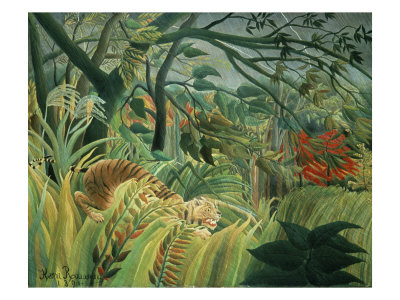
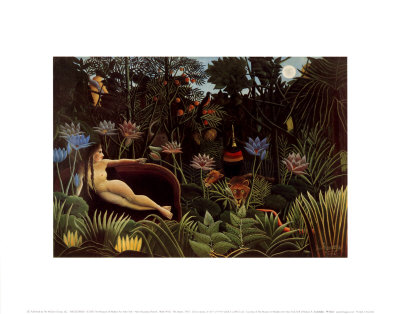
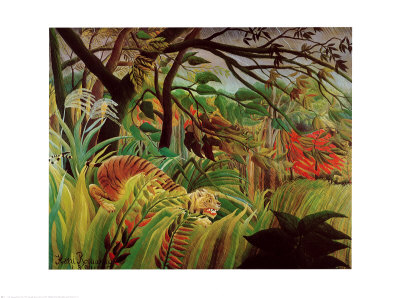
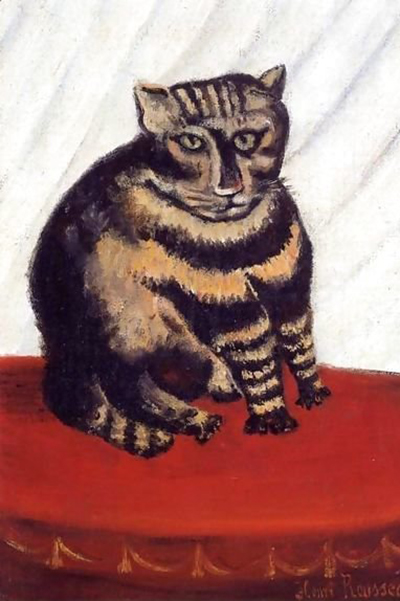
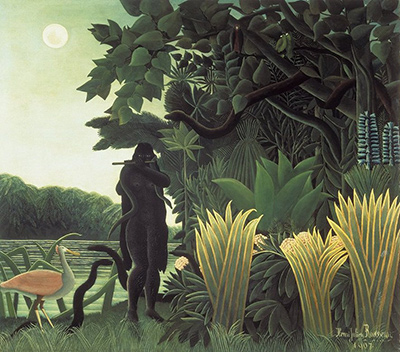
There is a captivating rhythm to bringing the dense, humid depths of a jungle into the comfort of one's home, a task that requires careful consideration of scale, lighting, and material. Hanging large jungle prints transforms a room from a mundane space into a portal to the untamed natural world, demanding more than simple tacking; it calls for an intentional arrangement that allows the viewer to wander through the imagined landscape. Whether you are working with original naive works or high-quality reproductions, the goal is to let the vibrant greens and intricate textures breathe without feeling cramped or overwhelming.
Choosing the Right Frame for the Forest
The frame is the first threshold you cross when entering a print of a jungle scene, and its style dictates how the viewer interacts with the image. Heavy, ornate wood frames can sometimes feel too formal or museum-like for the organic chaos of Rousseau's work, whereas thin, simple borders allow the eye to glide immediately over the foliage and vines. For very large prints, avoiding a frame that is too wide is crucial; if the frame extends far beyond the image, it creates a visual dead zone that distracts from the central composition. Instead, consider using a frame that matches the width of the artwork precisely or even extends slightly inward to create a cohesive border that enhances the depth of the scene.
The Psychology of Scale and Proportion
Selecting a print size that fits the available wall space is perhaps the most critical step in the installation process. A large jungle print acts as a focal point, so it should occupy a significant portion of the wall, perhaps two-thirds of its height, to command attention without causing visual strain. If the room is small, a massive wall mural can make a space feel even smaller, while in a large living room or study, a smaller piece might feel lost and insignificant. It is essential to measure the wall area and consider the furniture in front of it; a sofa or chair placed directly in front of a large print can block the view, effectively halting the visual journey the artist intended.
Lighting and Atmosphere in the Deep Woods
Lighting plays a pivotal role in rendering the subtle variations in color that define jungle landscapes, from the deep emerald of the understory to the bright, sunlit canopy. Direct overhead lighting can create harsh shadows that flatten the image, making the layers of leaves and trees appear confused rather than distinct. Indirect, ambient lighting, such as track lights angled downward or a large floor lamp positioned nearby, mimics the dappled sunlight filtering through the trees in a real forest. This type of illumination highlights the textures and depth of the print, allowing the viewer to appreciate the intricate details that might otherwise be washed out or obscured by glare.
Wall Preparation and Structural Integrity
Before committing to a permanent installation, especially for a large piece, one must assess the wall's condition and structural capacity. Large prints often require heavy hanging hardware, so ensuring the wall can support the weight without risk of failure is paramount. For drywall, this usually means locating studs and using appropriate anchors, while for masonry walls, different types of wall plugs or expansion bolts are necessary. If the wall surface is uneven or textured, using a long level to mark a perfectly straight line before applying painter's tape ensures the final result is professional and symmetrical. Proper preparation prevents the need for costly repairs later and ensures the artwork remains secure over the years.
Arranging Multiple Prints for a Panoramic Effect
For those seeking to create an immersive experience that truly transports the viewer into the heart of the jungle, arranging multiple prints can be a powerful strategy. This approach transforms a single wall into a panoramic vista, breaking the monotony of a single large canvas and inviting the eye to move across the space. When organizing several prints, maintain consistent spacing between them, usually around two to three inches, to create a rhythmic flow that guides the viewer's gaze naturally from one section to the next. The goal is to create a seamless experience where the individual images blend together to form a larger, more complex narrative of the wild.
- Ensure all frames are hung at the exact same height to maintain visual harmony.
- Use picture weights or heavy-duty brackets if the prints are very thick or the frames are heavy.
- Consider the room's function; a bedroom might benefit from a softer, more intimate arrangement than a grand hallway.
- Leave ample space between the print and the furniture to prevent the artwork from appearing too close to the viewer.
- Regularly check the hanging mechanisms to ensure they have not loosened due to vibration or temperature changes.
By thoughtfully selecting the frame, calculating the scale, optimizing the lighting, preparing the wall, and potentially expanding the display to include multiple pieces, you can successfully hang large jungle prints that bring the vibrant energy of Henri Rousseau's work into your living space. The result is an environment that feels alive, expansive, and deeply connected to the natural world, providing a daily reminder of the beauty found in the wild.