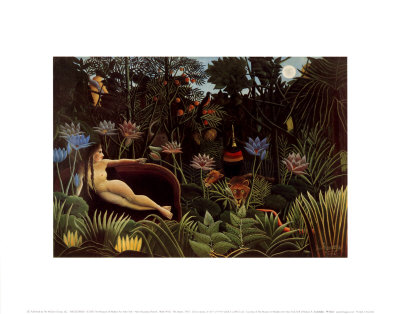
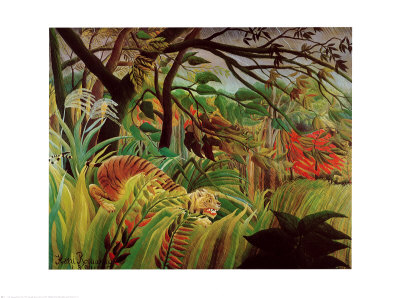
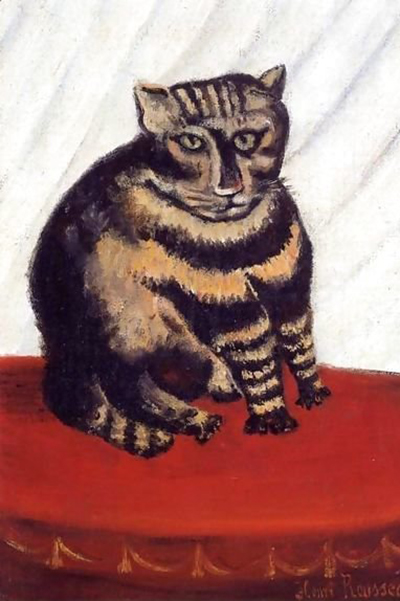
In the world of art appreciation, particularly when exploring the vibrant, imaginative universe of artists like Henri Rousseau, the presentation of a piece is often just as crucial as the artwork itself. A framed giclée print offers a unique opportunity to bring a masterpiece into any home or gallery without the weight of provenance anxiety, yet getting the hang of this medium requires a keen eye for detail and an understanding of how light, material, and frame style interact. Whether you are curating a small collection of naive art or simply adding a splash of color to a room with a Rousseau-style forest scene, the process of selecting and displaying a giclée demands a thoughtful approach to ensure the image remains vibrant and the frame enhances rather than distracts from the vision.
Understanding the Giclée Medium
Before you even pick up a frame, it is vital to comprehend what sets a giclée print apart from traditional reproductions. These high-quality prints are produced using specialized inkjet printers that utilize pigment-based inks, which are vastly superior to the dye-based inks found in standard commercial printing. The result is a depth of color, a subtle tonal range, and a texture that can mimic the brushstrokes of the original artist with remarkable fidelity. For fans of Rousseau, whose work is defined by its distinct, almost naive quality and bold use of color, a high-quality giclée captures the spirit of the original while allowing for a specific interpretation that can be perfectly suited to your interior design needs. The longevity of these prints is another key factor; when properly encased, they can last for decades without fading, making them a sustainable and timeless addition to any art collection.
Selecting the Right Frame Style
Once you have chosen your print, the next critical step involves selecting a frame that complements rather than competes with the artwork. The style of the frame should harmonize with the mood of the piece and the aesthetic of your room. For Rousseau's dreamlike forests, a simple, natural wood frame in a medium tone can ground the fantastical imagery, while a sleek, black or white frame can create a modern contrast that makes the colors pop. It is important to consider the width of the matting as well; a wide mat can provide necessary breathing room for the eyes and emphasize the center of the print, whereas a narrow mat might make the image feel cramped. The choice of frame material, whether it be wood, aluminum, or even a custom-fitted profile, plays a significant role in the final visual impact. Avoid overly ornate frames with excessive detailing, as these can draw the viewer's eye away from the artistic merit of the print itself.
The Importance of Glazing and Protection
The layer between the print and the glass or acrylic is often overlooked but is arguably the most important component of a framed giclée. This is where the choice of glazing becomes a functional necessity for preservation. Standard glass can develop micro-scratches over time from cleaning, and the reflections can sometimes distract from the image. Acrylic, specifically high-gloss or anti-reflective acrylic, offers a superior alternative as it is lighter, more shatter-resistant, and provides an excellent barrier against dust, UV rays, and humidity. UV-filtering glazing is essential, as even indoor lighting can degrade the pigments in a giclée print over time. By investing in proper glazing, you ensure that the vivid blues, greens, and yellows of Rousseau's compositions remain pristine for years to come, protecting the investment in the art while maintaining its visual clarity.
Installation and Display Tips
Proper installation ensures that the artwork is viewed at the optimal height and lighting conditions. Generally, the center of the artwork should be placed at eye level, roughly 57 to 60 inches from the floor, to allow for comfortable viewing from a seated or standing position. Lighting is another critical element; direct sunlight should be avoided as it can cause rapid fading, so indirect natural light or carefully positioned artificial lighting is preferred. Track lighting or adjustable spotlights can be used to highlight the piece without creating harsh glare on the surface of the print. When hanging the frame, ensure the wall is level using a plumb line or a laser level, as even a slight tilt can make the artwork appear distorted. Finally, consider the viewing distance; giclée prints are designed to be viewed from a moderate distance, so do not hang them so high up that they require the viewer to crane their neck, as this reduces the appreciation of the subtle details and textures.
Maintenance and Long-Term Care
To extend the life of your framed giclée and maintain its beauty, regular maintenance is key. Dust should be removed gently with a soft, dry microfiber cloth or a blower designed for delicate surfaces; never use abrasive materials or liquid cleaners that could leave streaks or damage the glazing. The frame itself should be checked periodically for loose hinges or nails, and if the frame is made of wood, it may need occasional polishing with a non-abrasive polish suitable for the specific type of wood used. Avoid placing the framed print in areas prone to extreme temperature fluctuations or high humidity, such as near a heating vent, in a bathroom, or in direct drafts from windows or air conditioning units. By adhering to these simple yet effective care practices, you ensure that the framed giclée remains a vibrant, engaging piece of art that brings the spirit of the original artist to your space for years to come.
Essential Checklist for Frame Selection
Before finalizing your purchase, run through this comprehensive checklist to ensure every element aligns with your vision for the piece:
- Verify that the print is archival quality with fade-resistant pigment inks.
- Ensure the glazing material is UV-filtering acrylic to protect against light damage.
- Confirm the frame style matches the artistic period and color palette of the original work.
- Check that the mat board is acid-free and lignin-free to prevent yellowing over time.
- Confirm the frame is assembled without pre-existing stress or loose hardware.
- Ensure the backing board is secure and includes a hanging mechanism rated for the weight of the frame.
- Ask the vendor for a warranty guarantee regarding the longevity of the ink and paper.