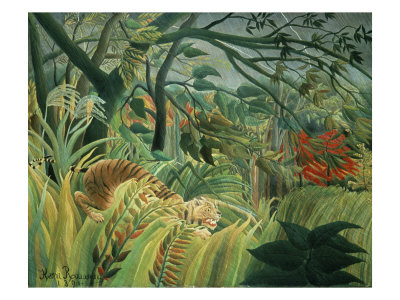
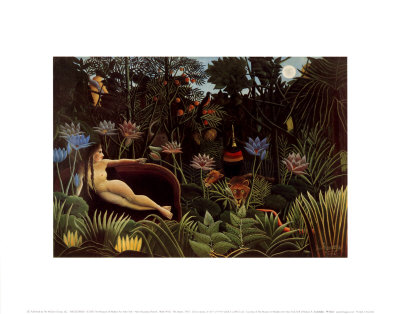
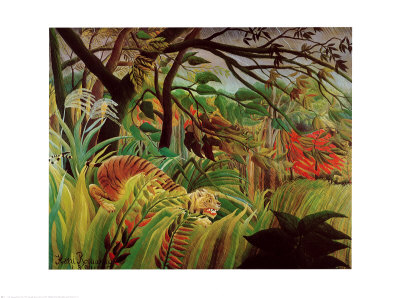
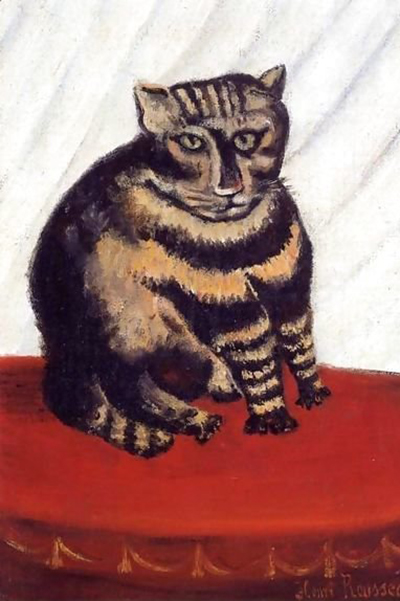
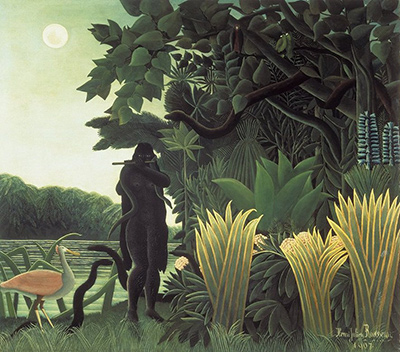
When embarking on a journey into naive art, the choice between watercolor and acrylics is not merely a technical decision but a fundamental shift in how one approaches color, texture, and expression. For the aspiring artist seeking to capture the whimsical, dreamlike quality found in the works of artists like Henri Rousseau, selecting the right medium is the first crucial step toward realizing a vision that feels both spontaneous and deliberate.
The Ethereal Light of Watercolor
Watercolor offers a unique ability to mimic the soft, shifting light of nature that often characterizes naive landscapes. This medium requires patience and a respect for the finality of the wet-on-wet technique, where colors blend instantly upon application. It is particularly well-suited for creating those hazy, atmospheric backgrounds that suggest distance and mystery without needing heavy layering.
The process demands a certain discipline; once a wash dries, it is difficult to alter, which can be both challenging and rewarding. However, for projects focused on transparency and the interplay of light, watercolor remains unmatched. It allows the white of the paper to shine through, creating a luminous effect that feels organic and hand-made. This quality is essential when striving to evoke the feeling of stepping into a storybook world where the horizon blurs and colors float gently above the ground.
Mastering the Wash Technique
To truly harness the potential of watercolor for naive projects, one must master the control of fluid dynamics. This involves understanding how to dilute pigments to varying degrees and how to let the paper absorb moisture at different rates. A key strategy involves working from light to dark values, allowing the initial layers to dry completely before adding deeper shadows or details.
- Start with a clean, cold-pressed paper that can handle multiple washes without buckling.
- Mix your largest washes first, using a generous amount of water to achieve a transparent, mist-like quality.
- Allow each layer to dry thoroughly before introducing darker colors to prevent unwanted bleeding or muddying of the tones.
- Use brushes of varying sizes to create soft edges that mimic the natural imperfections of a naive style.
- Finish with dry-brushing techniques on dried areas to add texture and depth without re-wetting the surface.
By adhering to these steps, the artist can achieve a sense of movement and airiness that defines the best naive landscapes. The medium encourages a loose, confident hand that avoids rigid outlines, letting forms emerge gradually from the fluid mixture. This approach aligns perfectly with the desire to capture the fleeting moments of a waking dream, where shapes are defined by color rather than strict contour lines.
The Bold Vibrancy of Acrylics
In contrast, acrylics provide a robust alternative that offers immediate coverage and exceptional durability. While watercolor builds up layers of transparency, acrylics allow for opaque application, enabling the artist to block out background colors or create solid, vivid shapes with ease. This makes acrylics an excellent choice for naive art projects that require strong, graphic elements or a more modern, pop-art influence.
The drying time of acrylics is significantly faster than watercolors, allowing for the rapid layering of textures and details. This speed can be advantageous when working with bold, flat areas of color that are typical in many naive compositions. The medium dries to a plastic-like finish, which resists cracking and can be sealed with a varnish that protects the artwork from environmental damage while enhancing its gloss.
Comparing Textures and Applications
The distinction between the two mediums lies largely in their textural capabilities and how they interact with the surface. Watercolors create a soft, grainy texture that feels natural and unrefined, which is often the heart of the naive aesthetic. Acrylics, on the other hand, can be mixed with various mediums to create thick impasto effects, crackled finishes, or smooth, painted surfaces.
For artists who want to incorporate mixed media elements, acrylics offer more flexibility. They can be applied over other materials, such as collage elements or fabric, without fear of bleeding or warping the underlying layers. This versatility opens up new possibilities for creating textured backgrounds that add depth and complexity to the composition.
Final Recommendations for Your Project
Ultimately, the decision between watercolor and acrylics should be guided by the specific mood and requirements of your project. If you are aiming for an ethereal, dreamy atmosphere with soft transitions, watercolor is the superior choice. Its limitations force the artist to think carefully about composition and value, resulting in a more nuanced piece. However, if you desire a bolder, more graphic look with vibrant, enduring colors, acrylics provide the necessary tools to achieve that vision.
Many successful naive artists have been known to use both mediums in the same piece, layering watercolor for backgrounds and acrylics for focal points to combine the best of both worlds. Consider the texture of your paper, the amount of coverage you need, and the level of detail you wish to impart before making your final selection. Remember that the most important element of naive art is the authentic expression of the artist's vision, and both watercolor and acrylics have the capacity to bring that vision to life in powerful and memorable ways.