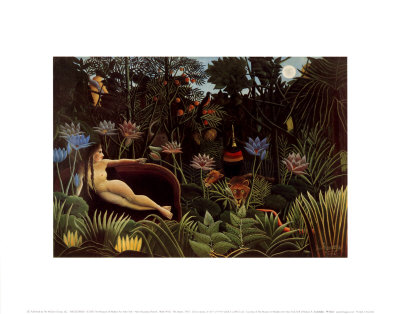
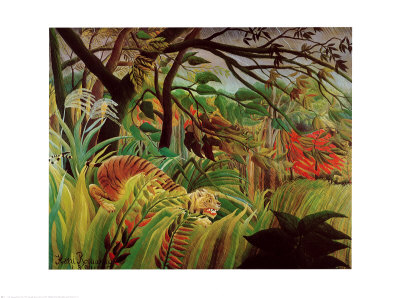
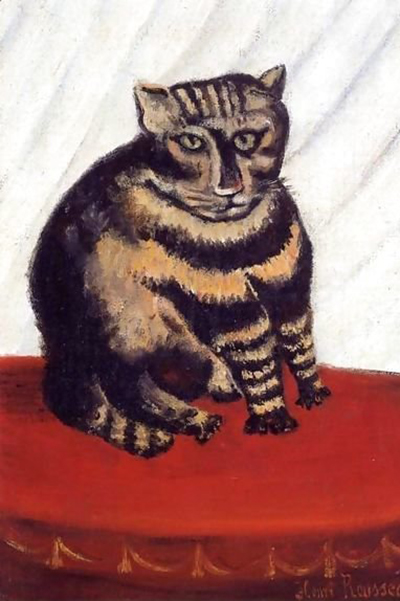
In the vibrant world of naïve art, where the raw imagination of artists like Henri Rousseau breaks free from academic constraints, collectors often face a critical decision regarding ownership. Understanding the economic and aesthetic differences between purchasing a genuine original painting and acquiring a high-quality print is essential for making an informed investment that aligns with your personal taste and budget. While both formats offer a window into this unique artistic movement, the price points and experiences they provide differ significantly, influencing how you engage with the work.
The Intricacies of Originals
Acquiring an original naïve painting represents the pinnacle of ownership, granting you access to the artist's true hand, texture, and intent. These pieces are finite resources; once sold, that specific canvas is no longer available, making each original a one-of-a-kind artifact. The price tag for an original work is inherently substantial, driven by the labor of creation, the historical significance of the artist, and the physical presence of the paint itself. When you buy an original, you are not merely purchasing an image but a tangible piece of history that has aged alongside the surface it sits upon. The imperfections, the brushstrokes that might seem chaotic to the untrained eye, become evidence of the human process, adding a layer of authenticity that prints simply cannot replicate.
The Role of Provenance and Authentication
The value of an original naïve art piece is heavily dependent on its provenance and the ability to authenticate the work. Unlike mass-produced items, originals require a paper trail that documents the owner's history and verifies the artist's signature or marks. This documentation adds a premium to the sale price and provides peace of mind for the buyer, ensuring that the item is a legitimate creation rather than a forgery. In the case of famous naïve artists, authentication can be a complex process involving expert examination of the brushwork, the aging of the varnish, and comparison with known masterpieces. Consequently, the market price for an authenticated original often reflects a high degree of risk and reward, as the collector is betting on the enduring legacy of the artist and the unique status of the piece in the collection.
The Appeal of High-Quality Prints
For those who admire the beauty of naïve art but wish to avoid the exorbitant cost of an original, high-quality prints offer a compelling alternative. These reproductions, when created by skilled artisans using archival ink and heavy, acid-free paper, can capture the luminosity and detail of the original with remarkable fidelity. The price point for a print is significantly lower, making these works accessible to a much broader range of collectors, decorators, and enthusiasts. A print allows you to own the image without the burden of insurance, framing, or the need for climate-controlled storage. You can display a series of prints from the same artist in a single room, something impossible with limited original editions, thus allowing for a more comprehensive appreciation of an artist's body of work.
Comparing Market Dynamics and Pricing Structures
The pricing structure for originals versus prints follows distinct economic models that affect what a buyer can expect to pay. Originals operate on an auction and private sale model where prices are driven by scarcity, demand, and the specific reputation of the artist. A single painting can sell for thousands, tens of thousands, or even millions of dollars, depending on the artist's fame and the condition of the work. In contrast, prints often utilize a fixed pricing model based on the edition size and the quality of the reproduction. While limited edition prints carry a higher price tag than commercial prints, they still remain a fraction of the cost of the original. Furthermore, the resale value of a print is generally lower and less volatile than that of an original, as the secondary market for prints is more saturated and less influenced by the "blue-chip" status of the primary artwork.
Practical Considerations for Collectors
When deciding between these two paths, collectors must consider factors beyond the initial purchase price. Owning an original requires significant ongoing maintenance, including professional framing to protect the canvas and insurance policies to cover potential theft or damage. Prints, however, are generally low-maintenance and can be easily replaced if damaged, offering a lower entry barrier into the world of naïve art. Additionally, the emotional connection differs; many collectors feel a profound bond with an original piece, viewing it as a conversation with the creator across time. Prints offer a more detached appreciation, serving as beautiful decorative elements that bring the style and spirit of the artist into one's home without the weight of ownership history. Ultimately, both options provide a gateway to the mesmerizing world of naïve art, catering to different financial means and personal desires for engagement.
Making the Final Choice
Ultimately, the choice between an original naïve painting and a high-quality print depends on your specific goals, budget, and how you wish to interact with art. If you seek a definitive, historical artifact that will serve as a centerpiece in your home and potentially appreciate in value over time, the original is the clear choice, provided you can afford the premium and commit to the necessary care. Conversely, if you want to own a beautiful reproduction that captures the essence of the style and allows you to collect multiple works from an artist, a high-quality print offers an excellent, accessible solution. By weighing the intangible value of authenticity against the tangible affordability of reproduction, collectors can make a decision that brings the magic of naïve art into their lives in the most meaningful way.
Here is a quick summary of the key factors to consider when choosing between the two mediums:
- Originals offer unique authenticity but come with high acquisition and maintenance costs.
- Prints provide accessible entry points for collecting without the risk of insurance claims.
- Authenticating documents are mandatory for originals but optional for most prints.
- The resale market for originals is driven by rarity, whereas prints are driven by edition numbers.
- Emotional attachment tends to be stronger with originals, while prints serve as versatile decor.