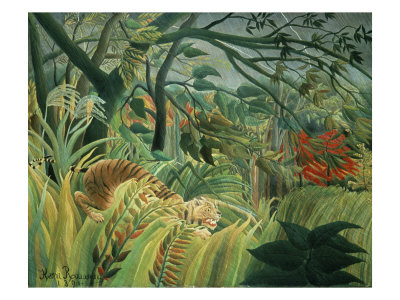
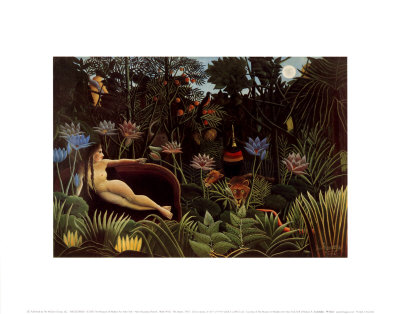
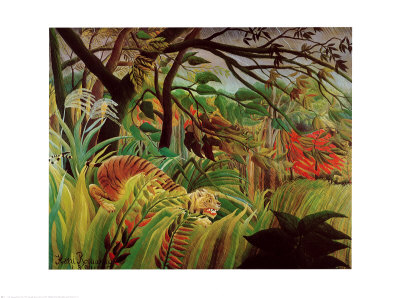
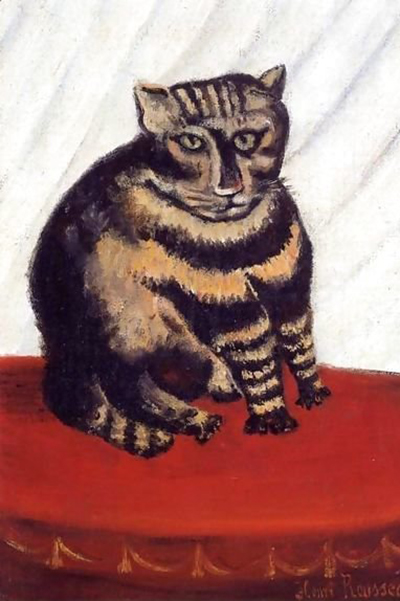
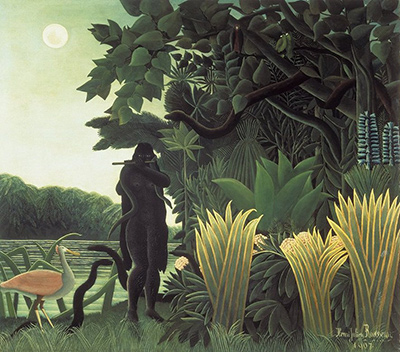
Capturing the essence of Henri Rousseau's unique vision requires more than just finding a picture; it demands navigating a market where the distinction between the original masterpiece and its faithful reproductions can be as blurred as the dense foliage in his famous "Dream." Whether you are a collector seeking a high-quality reproduction for a specific room or an art enthusiast simply falling in love with the artist's nocturnal forests, acquiring a print of Rousseau offers an accessible entry point into his surreal, dream-like universe. This guide will help you navigate the nuances of the print market to ensure you bring home a piece that honors the spirit of the nineteenth-century artist while fitting your personal aesthetic needs.
Understanding the Distinction Between Originals and Reproductions
The most critical step in your journey is understanding the fundamental difference between purchasing a genuine original painting and buying a print. Original works by Henri Rousseau are exceptionally rare and command astronomical prices, often sold through private auctions with provenance documentation that traces their journey back to the artist's hand. These originals contain the subtle textures of the artist's palette knives, the specific grain of the canvas, and the historical patina of time that no machine can replicate. In contrast, prints are mechanical reproductions designed to capture the visual impact of the work without the material costs of oil on canvas. While an original is a historical artifact, a print is an interpretation of that history. When you decide to buy a print, you are investing in the idea of Rousseau's jungle scenes rather than the physical object he created.
Evaluating the Quality of the Reproduction
Not all prints are created equal, and the quality of the reproduction directly influences the longevity and beauty of the piece you take home. High-quality prints utilize archival inks and acid-free paper, ensuring that the vibrant greens of the trees and the deep blues of the night skies do not fade prematurely. Look for descriptions indicating "museum quality," "museum-grade," or "archival" in the product details. These terms signal that the manufacturer has prioritized preservation. Conversely, cheap prints may use standard ink on coated paper, which can yellow or discolor over time, distorting the colors and ruining the delicate balance of light and shadow that Rousseau mastered. A good print should allow you to see the depth of the shadows and the luminosity of the moonlight as clearly as the original, preserving the three-dimensional quality of the composition on a two-dimensional surface.
Identifying the Edition and Print Run
Before making a purchase, it is essential to determine if the print is part of an editioned series or a single unnumbered reproduction. Editioned prints are produced in a limited number, often numbered sequentially by the artist or a trusted publisher, such as "50/200." This numbering indicates how many copies were made in total and where your specific copy falls within that run. This information adds a layer of provenance and value to the print. Unnumbered prints, on the other hand, are often produced in larger quantities without a specific numbering system. While they may be less exclusive than editioned pieces, they are frequently more affordable and accessible. When looking at a listing, check the fine print for any mention of "limited edition" or specific numbers. If the seller does not specify an edition number, assume it is a standard reproduction and adjust your expectations accordingly.
Selecting the Right Paper Type for Your Space
The medium on which the Rousseau print is printed plays a pivotal role in how the image interacts with your home environment. Rousseau's work relies heavily on contrasts between light and dark, and the paper texture can either enhance or diminish this effect. Cotton rag paper is often preferred for its strength and natural, matte finish, which allows the colors to breathe and prevents glare from reflecting off the surface. Acid-free paper is equally important as it ensures the print will not degrade due to chemical reactions with the air over decades. However, for those who prefer a more vibrant, glossy look, coated papers can provide higher saturation, though they may be more susceptible to fading in direct sunlight. It is crucial to match the paper type to the lighting in your intended space; a high-gloss print might look stunning under gallery lights but could appear washed out in a dimly lit room.
Where to Find Reliable Sources for Rousseau Prints
Locating a reputable source for your new artwork is the final and perhaps most important step in the process. Avoid generic online marketplaces that sell thousands of identical items from unknown manufacturers, as these often lack provenance and quality control. Instead, seek out specialized art supply stores, established online retailers dedicated to fine art reproductions, or galleries that specialize in modern and contemporary reproductions of classic masters. Reputable sellers will provide detailed information about the printing process, the specific paper stock used, and the dimensions of the print. They may also offer framing services or protective glazing options to ensure the print remains pristine. By choosing a seller with a track record of quality, you ensure that the dream world of Henri Rousseau remains intact, allowing you to enjoy the beauty of his work for years to come without worrying about deterioration.
Key Considerations Before Buying
To summarize the decision-making process, here are the vital factors to keep in mind before finalizing your acquisition:
- Verify that the seller explicitly states the paper is acid-free to prevent long-term yellowing.
- Confirm the dimensions of the print match the frame or wall space you have prepared.
- Check if the print is part of a limited numbered edition for added collectibility.
- Ensure the retailer offers a return policy in case the colors do not suit your room lighting.
- Look for details on whether the print is giclée or offset to gauge the sharpness of the lines.
- Consider the size of the file required if you plan to scan the image for personal use.
- Assess the shipping method to ensure the print arrives safely without creasing or damage.