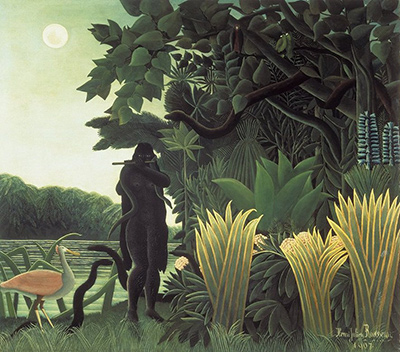
Creating the illusion of depth in naïve art requires moving beyond traditional two-dimensional techniques to embrace the tangible reality of the physical world. By introducing varied textures and raised surfaces, artists can mimic the complex interplay of light and shadow that defines true three-dimensional objects, transforming a flat print into a captivating, multi-sensory experience. This guide explores how simple materials and layering strategies can unlock the potential of physical depth in your own artistic practice.
The Foundation of Texture in Naïve Art
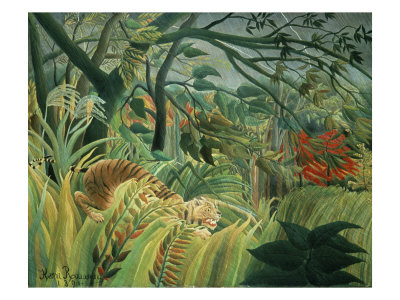
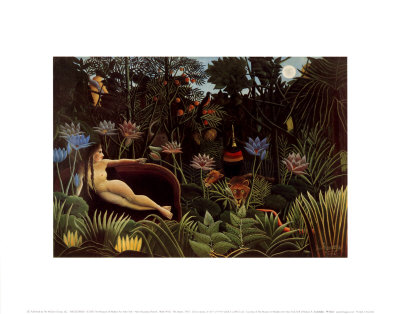
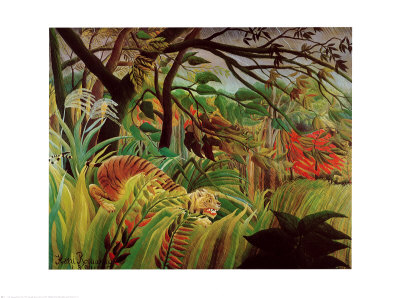
In the realm of naïve art, the distinction between the real world and the artist's perception is often blurred, yet the most convincing work feels as though it exists in the same space as the viewer. To achieve this, one must understand that texture is not merely a surface detail but a fundamental structural element that defines form. When working with prints, whether on paper, canvas, or fabric, the goal is to create a topography that the eye can traverse and the hand can almost touch. This approach aligns with the spirit of Henri Rousseau, whose jungle scenes seemed to burst forward from the page, teeming with life and shadow.
Selecting Your Textural Agents
Before you begin applying any paste, it is crucial to choose materials that offer the right resistance and body for your specific medium. Different pastes and adhesives will yield different tactile results, allowing you to sculpt the environment in ways that paint alone cannot achieve. You will need to experiment with various consistencies to find the perfect balance between ease of application and the final structural integrity of your piece.
- Texturizing Pastes: These are the primary tools for adding grit and unevenness to flat surfaces, ideal for simulating bark, stone, or rough ground.
- Gesso Mixtures: A versatile option for smoothing out areas or creating a uniform base that can be textured later with finer particles.
- PVA or White Glue: Best for larger applications where a strong, non-wobbly bond is required to hold heavier pastes in place.
- Sand and Flour Mixtures: A traditional method for creating fine, granular textures that catch light in subtle, shimmering ways.
- Rags and Fabric Scraps: For artists who prefer organic, woven textures that add a layer of complexity to the composition.
Techniques for Layering and Relief
Once your materials are selected, the process of application becomes the most critical phase in creating physical depth. The key lies in layering; a single coat of paste will rarely suffice to create the illusion of significant volume or complex surfaces. Artists must apply paste in thin, deliberate layers, allowing each to dry before adding the next, which builds up the physical form gradually. This technique prevents the surface from becoming too brittle or prone to cracking, while ensuring that the texture remains integrated with the rest of the artwork.
- Apply the Base Layer: Start by spreading a thin, even coat of paste over the area where you wish to create depth. Allow it to dry completely to ensure a stable foundation.
- Build the Form: Once the base is dry, apply a second layer, perhaps focusing on the areas that need the most volume, such as the center of a fruit or the folds of a leaf.
- Incorporate Particles: While the paste is still slightly tacky, sprinkle sand, sawdust, or other fine materials onto the surface to create a rough, organic feel.
- Refine the Edges: Use a brush or palette knife to smooth out any uneven patches, ensuring the texture flows naturally into the surrounding painted areas.
- Final Coat: Apply a very light, translucent layer of varnish or glaze over the top to unify the texture with the paint, allowing the light to pass through the raised areas and create shadows.
Achieving Realistic Shadows and Light
Texture alone does not guarantee realism; it must be accompanied by an understanding of how light interacts with form. When you create raised surfaces with paste, you are essentially creating physical shadows that can be enhanced with paint. The interplay between the high points of the texture and the low points creates a dynamic range of tones that mimics the way light falls on real objects. This is particularly effective in naïve art, where the simplified forms benefit greatly from the added complexity of these physical shadows.
Practical Application and Maintenance
Finally, remember that working with texture requires patience and care. The process is not instantaneous, and rushing the drying times can lead to structural failures or uneven surfaces. Regular maintenance, such as dusting off excess particles or applying protective coats as needed, will ensure that your textured prints remain vibrant and tactile for years to come. By embracing the physicality of your medium, you can elevate your naïve art from a simple illustration to a rich, engaging narrative that invites the viewer to explore every inch of the surface.