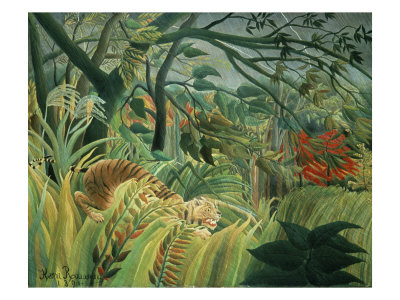
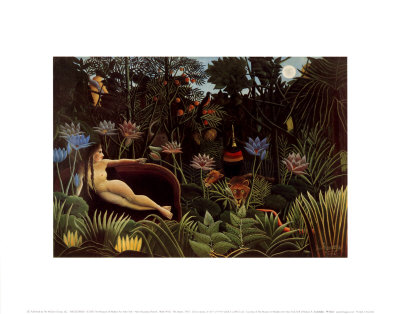
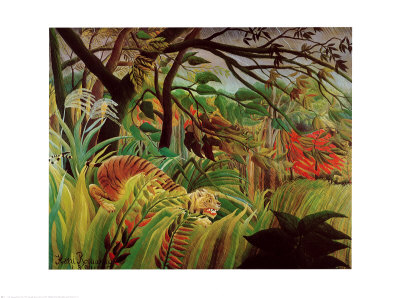
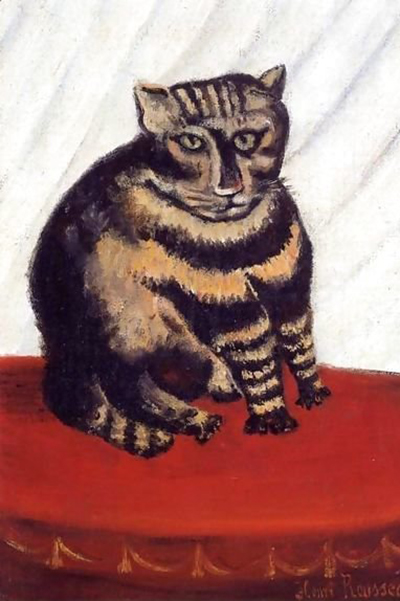
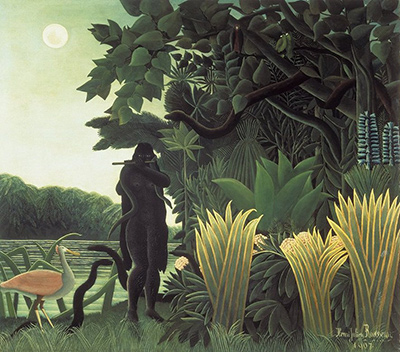
Blending the tactile surprise of cut-out paper with the bold, unrefined brushstrokes of Henri Rousseau offers a unique pathway for artists seeking to deepen the emotional resonance of their naïve works. This approach moves beyond simple decoration, inviting the viewer into a dreamlike space where reality is reconstructed through unexpected juxtapositions. By carefully selecting and adhering collage elements, you can transform a flat canvas into a textured landscape that echoes the surreal, jungle-filled visions of the master himself.
The Philosophy of the Glued Object
Naïve art is often defined by its honesty, its refusal to follow academic rules, and its ability to capture the essence of a scene with a sudden, intuitive spark. When you introduce collage, you are essentially inviting the past into the present moment of creation. The cut-out element acts as a fragment of memory or a glimpse into a different world, bridging the gap between the artist's hand and the object itself. In the spirit of Rousseau, who saw the world as a chaotic, beautiful tapestry, these paper fragments become islands in a sea of paint. They disrupt the smooth flow of the background, forcing the eye to pause and investigate the relationship between the painted line and the crisp edge of the paper. This friction is where the magic happens; it creates a dialogue between the two mediums that feels organic rather than forced.
Selecting Your Textures
Before you pick up your scissors, you must curate your materials with the same care one would select seeds for a garden. Not every scrap of paper will serve your vision. You are looking for textures that mimic the natural world, the objects you might wish to include in your composition. Old photographs, printed pages, torn magazines, or even fabric scraps can all be utilized. The key is to choose items that have an inherent story or a specific color palette that complements your intended mood. If your painting is a vibrant, sun-drenched forest, you might seek out bright greens and yellows. If you are painting a mysterious, moonlit scene, muted blues and blacks from vintage books could work wonders. The texture of the paper itself matters; rough, grainy surfaces can add depth, while smooth, glossy paper can reflect light in a way that mimics water or shiny leaves.
Preparing the Foundation
The surface you work on dictates the longevity and visual impact of your collage. A primed canvas is generally the safest bet, providing a sealed surface that prevents the glue from soaking in too quickly and warping the paper. If you are working on raw canvas, ensure it is stretched taut and perhaps varnished to create a barrier. When cutting your elements, avoid overly jagged tears unless that roughness is specifically what you want to convey a sense of decay or wildness. Clean edges often look more deliberate and professional, allowing the focus to remain on the imagery rather than the act of cutting. Consider the scale of your fragments; they should be sized appropriately relative to your painted forms. A tiny piece of a flower might get lost in a vast ocean of blue sky, whereas a large, dominant shape can anchor an entire composition.
The Technique of Adhesion and Layering
Once your elements are cut and prepped, the act of gluing requires patience and a steady hand. Use a medium that allows you to work without smudging the collage elements immediately; white glue or specific collage mediums often work best. Apply the adhesive sparingly to the back of the paper, not the front, to avoid any staining. When placing the piece, imagine it as a stone dropped into water, creating ripples that disturb the surface of the paint beneath. Sometimes, pressing the paper down firmly is necessary to ensure it adheres properly. A crucial technique in this process is layering. Do not always place the collage on top of the paint; sometimes, you want to paint over a piece of paper. This can create a unique effect where the pigment bleeds slightly into the paper fibers or sits on top of the white glue, creating a halo of color. This technique blurs the line between the two media, making it difficult for the viewer to distinguish where the paint ends and the paper begins, achieving a seamless integration that feels truly naïve.
Creating a Dynamic Composition
Finally, step back and assess the relationship between your collage elements and the painted areas. Your composition should feel unified, as if the paper has always belonged to the scene. Avoid placing elements randomly; instead, think about how they guide the viewer's eye through the work. A collage fragment can act as a focal point, drawing attention to a specific detail, or it can serve as a background layer, pushing elements forward in space. Remember that naïve art thrives on simplicity and clarity. If your collage is too busy or too small, it will distract rather than enhance. Let the colors speak for themselves. The goal is not to create a realistic still life but to evoke a feeling, a memory, or a dream. By treating the collage elements as living parts of your vision rather than mere decorations, you honor the spirit of Rousseau and create a body of work that is both visually striking and emotionally profound.
Essential Checklist for Success
To ensure your final piece achieves the desired impact, keep these practical steps in mind during your workflow:
- Verify that all collage elements are completely dry before applying any additional paint layers.
- Ensure your adhesive does not transfer any residue onto the front of the paper or the canvas surface.
- Test your color combinations on a small scrap before committing to the main composition.
- Consider the weight of the paper; heavier cardstock may require more pressure to secure.
- Leave ample white space around your collage pieces to maintain visual breathing room.
- Allow the entire piece to dry for at least 24 hours before varnishing or framing.
- Observe how light interacts with the glossy paper against the matte paint to adjust placement.